

Sweet, succulent and fragrant, melons — including honeydew and cantaloupe — are a summertime favorite! They need plenty of room to roam, hot temperatures and dry weather conditions for at least 2-4 months to mature and ripen successfully. Encourage growth and fruiting by warming soil with mulch or black plastic. Do NOT overwater plants.
Growing melons from seed, especially in colder climates can be rewarding but will require short-season types, plenty of attention and frost protection. Homegrown heirloom varieties, with their unusual shapes and colors, will get oohs and ahhs from the neighbors and their flavor is far superior to anything you’ll find at the supermarket. Plus you can rest easy knowing that your organic bounty contains no chemical residues, unlike the store bought kinds.
Fun Fact: Melon are members of the cucurbit (Cucurbitaceae) family that also includes pumpkin, squash, cucumber and some gourds.

FREE SHIPPING!
Melon Seeds
Melons, with their unusual shapes and colors, are a sweet change from the ordinary.
View allWith their unusual shapes and colors, heirloom melons are a sweet change from the ordinary. Planting instructions are included with each seed packet and shipping is FREE!
Quick Guide: Planting, Growing & Harvesting Melons
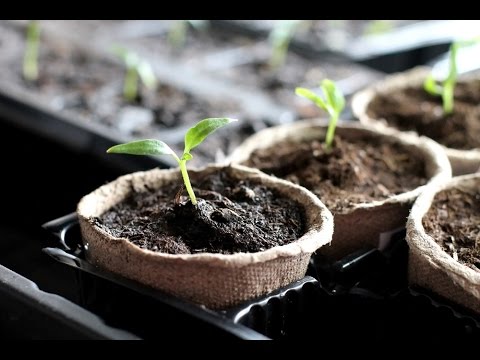
- Start seeds indoors about 2 weeks before the last frost date
- Plant in rich soil in full sun when soil and night temperatures are warmer
- In colder climates, warm soil with black plastic
- Fertilize and water regularly
- Harvest by watching fruits closely — they should pull off the vine easily when ripe
- Pests and diseases include cucumber beetle, squash bug, powdery mildew and Fusarium wilt
Site Preparation
Choose a warm site that gets plenty of sun, such as along a south-facing building or wall. Make sure that the area is protected from strong winds because melons struggle in cool temperatures. The planting area should be well drained and loose textured with lots of organic matter. Each spring, work plenty of organic compost into your garden. Learn how to prepare garden soil here.
Tip: Use black plastic to warm the soil 2-3 weeks prior to planting heat-loving crops. After all risk of frost has passed, simply cut holes in the plastic sheet and plant seeds or seedlings through the holes.
How to Plant
Melon seeds should be sown 2 weeks after the last frost date. Space plants 2-4 feet apart in rows 6-10 feet apart. They may also be planted in hills, two plants per hill, with the hills spaced 2-3 feet apart. Black plastic mulch placed under the plants will warm the soil and speed harvest. It will also keep the developing fruit off the soil and prevent rotting.
A balanced organic fertilizer will promote healthy growth and bigger, more abundant harvests. During bed preparation, mix 1-1/3 cups for every 10 square feet, or 6 cups for every 50 feet of planting row. Work the soil to a depth of 6-12 inches and water well. Foliar applications of Maxicrop Seaweed, especially during peak flowering, will “top-off” fertilization. To raise sweeter fruits, hold back water for a week or so before harvest.
Melons do well in moist, not wet, soils. Drip irrigation or soaker hoses can be used to direct water right to the plants’ roots. This will also keep the leaves dry, which helps prevent many fungal diseases.
After planting, cover the area with floating row cover to provide additional warmth and protection from insect pests.
Harvesting and Storage
Melons must be allowed to ripen fully on the vine as they will not mature once harvested. The trick is knowing when they are ripe. Watch for fruits to obtain a mature color with the veins becoming more prominent and lighter.
Ripe fruits should “slip” or come off easily from the vine with a gentle pull. Allow 75-90 days to reach maturity from seed, depending on cultivar.
Store in a cool area for no longer than 10 days, or refrigerate. Do not pick too early. Melons with thick, hard rinds will last longest.
Insect & Disease Problems
Insects that attack other cucurbits will also be found in the melon patch. Among the most common pests are the cucumber beetle and the squash bug. They are also susceptible to plant diseases such as powdery mildew and Fusarium wilt. Look for disease-resistant varieties when purchasing seed or nursery stock.
Seed Saving Instructions
Plants will cross-pollinate, so isolate 1/4 mile from other varieties. Always save seeds from disease-free, early ripening fruits. Wash seeds in a strainer and dry. Seeds are ready to store when they break instead of bend.


