

Peppers are the second most popular vegetable to grow in backyard gardens (yes, tomatoes are #1), and it’s no mystery why… They are prolific producers, come in all shapes, colors and sizes and range in taste from sweet to downright fiery. Peppers, including ornamental varieties, are members of the Solanaceae family (nightshades), which makes them related to potatoes, eggplant and tomato plants.
All pepper plants prefer plenty of sunshine and long seasons. Try raising several types (there are hundreds) at home to find just the right varieties for your taste and climate. And the peace of mind you’ll gain from growing peppers from seeds without chemicals? Priceless!
Hot, sweet, and flavorful, pepper health benefits include vitamins A and C (they contain more than 200% of your daily vitamin C intake), potassium and folic acid, especially important for pregnant women. They’re also low in calories and have super-sized portions of fiber and antioxidants, like lycopene which may prevent certain types of cancer, including prostate cancer in men.
Fun Fact: Christopher Columbus brought these warm-season pods to Europe from the West Indies in the late 1400s where they were raised as “botanical curiosities.”

FREE SHIPPING!
Pepper Seeds
These American natives, loaded with Vitamin C, come in hundreds of varieties.
View allChoose from a large selection of heirloom pepper seeds available at Planet Natural. Planting instructions are included with each packet and shipping is FREE!
Quick Guide: Planting, Growing & Harvesting Peppers
- Start seed inside 6-8 weeks before the last frost or get seedlings from your favorite garden center
- Plant into compost-rich soil in full sun
- Thrive during hot days and warm nights
- Need consistent fertilizer and watering
- To harvest, cut fruit from plants
- Pests and diseases include aphids, cutworm, leafminer, flea beetles, anthracnose, bacterial spot, mosaic and blossom end rot
Site Preparation
Most pepper varieties are annuals, lasting only one season. They require full sun, fast-draining soil and regular water. Plants grow best when temperatures are warm and need substantial heat to set fruit. They tolerate drought, but do best in soil that is evenly moist but not soggy. Prior to planting, mix plenty of well rotted animal manure or organic compost into your pepper patch.
Crops are productive in moist — not wet — soils. Drip irrigation or soaker hoses can be used to direct water right to the plants’ roots. This will also keep the leaves dry, which helps prevent many disease problems.
How to Plant
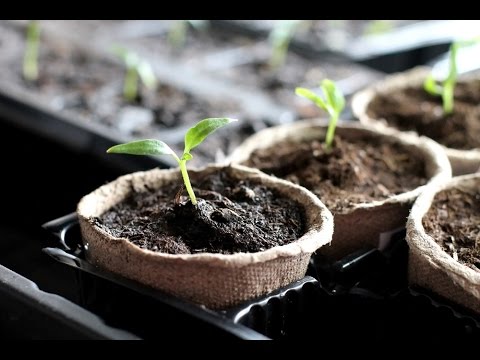
Start pepper seeds indoors 6-8 weeks before the last frost or — depending on your climate zone — sow seeds directly in the garden after the soil has warmed. Nighttime temperatures must remain above 55˚F. In traditional rows, space plants 1-1/2 feet apart. Or plant in raised beds keeping them 1-1/2 feet apart in all directions. Provide support for taller varieties more than one foot tall.
Apply a good organic vegetable fertilizer once or twice after the plants become established, before blossoms set. Side-dressings of greensand can help offset potassium deficiency, and organic bone meal can supply needed phosphorus and calcium.
Tip: In northern climates use Wall O’ Waters to protect transplants from frost and speed production.
Harvesting and Storage
Harvest peppers early and often – the more you pick, the more they will produce. Most varieties can be eaten when they are green and under-ripe, although the flavor improves as they mature. Always cut (don’t pull) fruits from the plant. Allow 65 to 80 days from transplant to harvest.
Store fresh peppers in a ventilated plastic bag and keep in the produce bin of your refrigerator for 1-2 weeks. May also be sliced thin and frozen or dried.
Tip: Once the fruit has set and colored, you can bring peppers indoors as ornamental plants. They look quite festive for the holiday season. Don’t expect them to last too long indoors, however.
Insect & Disease Problems
Peppers are susceptible to many insect pests, including aphids, cutworm, leafminer and flea beetles, which chew many tiny holes in the leaves of your plants. Common diseases include anthracnose, bacterial spot, mosaic and blossom end rot.
Seed Saving Instructions
Plants will cross-pollinate, so separate by at least 500 feet or plant in insect-proof cages covered with window screen. Select fruits that are ripe, fully colored and show no signs of disease to save for seed. Remove seeds off the core and onto a paper plate to dry.


