

This annual warm-season vegetable is available in an array of attractive varieties, some of which don’t resemble pumpkins at all. They also dish up some powerful nutritional perks like vitamins A, E and C, along with minerals like phosphorous, calcium and potassium. A member of the Cucurbitaceae family, the pumpkin (Cucurbita maxima) is closely related to squash, melons and gourds.
The jolliest of fall crops, pumpkins are great for jack-o-lanterns and, of course pies! Grow them like squash and give those trailing vines plenty of room to roam. Heck, why not plant some of the giant varieties and claim bragging rights with your neighbors.
Fun Fact: In 1996, Harold Baird of Kinburn, Ontario managed to raise four giant pumpkins – weighing 774, 686, 652, and 603 – on a single vine!

FREE SHIPPING!
Pumpkin Seeds
The jolliest of garden crops! These varieties are great for pies and jack-o-lanterns.
View allChoose from a large selection of heirloom pumpkin seeds available at Planet Natural. Planting instructions are included with each packet and shipping is FREE!
Quick Guide: Planting, Growing & Harvesting Pumpkins
- Start seeds indoors or purchase seedlings from a local garden center
- Plant after frost danger has past — squash love heat
- Choose full sun and compost-rich soil
- Water regularly and add mulch to retain moisture
- Good air circulation (breezes) are essential to prevent mildew and fungus
- Harvest when fruit has a deep, rich color and foliage has died back
- Pests and diseases include bacterial wilt, powdery mildew, downy mildew, and anthracnose
Site Preparation
Pumpkins require full sun, ample water and plenty of room to sprawl. Choose a site that is protected from cool winds and work in large amounts of garden compost and well-aged chicken manure. The soil should be tilled deep and over a large area – roots and vines can wander for 15 feet (or more!) in any direction. Old compost piles make great patches.
How to Plant
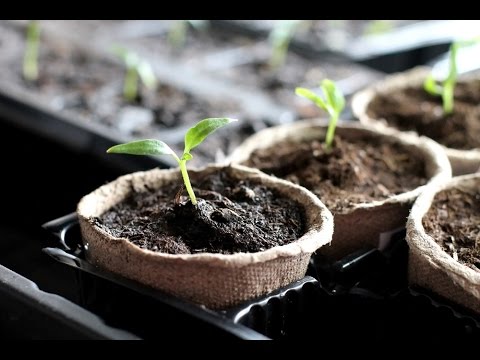
Start pumpkins indoors from seed or nursery stock. Harden plants off and transplant outside when the soil is truly warm in the spring. Fertilize regularly with a balanced organic product, but try to keep the leaves dry in order to prevent fungus disease. The entire root system should be kept moist at all times.
Once flowers begin to develop, hand pollinate female flowers (those with a bulb-like growth attached directly to the main stem) with a male flower (those with a slender stem). Pick a male flower, then touch it gently onto the female flower to ensure pollination.
Continue to provide ample water during the season. As temperatures warm, mulch the garden area with compost, leaves or straw to prevent weeds and conserve moisture.
Tip: If you want to grow a giant pumpkin, allow only the first two flowers on a vine to become pollinated, then pinch off all the other flowers so that there is only one or two fruits per vine.
Harvesting and Storage
Pumpkins are ready to harvest when they have a deep solid color and the vines die back and turn brown. Use floating row cover during a light frost and avoid leaving fruits out during a hard freeze to prevent softening. Allow 110-120 days to reach maturity.
Wipe soil from pumpkins and store clean in a cool, dry area with good ventilation. They last longer when placed on pieces of cardboard or wooden shelves. Do NOT place directly on concrete floors. Freeze the flesh after cooking.
Insect & Disease Problems
Common insect pests that attack pumpkin include; cucumber beetles, squash vine borers and squash bugs. Apply organic pesticides to establish control. Remove crop debris and rototill the garden after harvest to prevent future problems.
Bacterial wilt (spread by cucumber beetles), powdery mildew, downy mildew and anthracnose are common plant diseases. Choose a site with good air circulation to prevent many fungal problems and apply organic fungicides (copper, sulfur) early, when symptoms first appear.
Seed Saving Instructions
Plants will cross-pollinate, so isolate by 1/4 mile. Seeds should be taken from fruits that have gone past maturity by three weeks. Remove seeds, wash and let dry.


