

An old-fashioned favorite! Growing snapdragons (Antirrhinum Majus) provides months of color ranging from pale pastels to vibrant reds and oranges. Native to southern Europe and the Mediterranean, they are a favorite flower for cutting and will blossom all winter in warmer climates.
In ancient times, snapdragons were thought to have supernatural powers and offer protection from witchcraft. They were also believed to restore beauty and youthfulness to women.
Aromatic plants grow 1-3 feet tall. Expect volunteer plants the following year from this self-seeding annual.
Fun fact: Snapdragon plants are named after their beautiful flowers, which look like a dragon’s face.

FREE SHIPPING!
Snapdragon Seeds
The heady fragrance and uniquely-shaped blossoms make snapdragons a favorite.
View allTransform your home into a private oasis with beautiful heirloom flowers. Planting instructions are included with each seed packet and shipping is FREE!
Quick Guide: Planting, Growing & Caring for Snapdragons
- Available in an exciting array of pale to fiery colors
- Easily started from seed indoors 8 weeks before last frost
- Plant seedlings in full sun; amend soil with organic matter
- For a full, bushy appearance, pinch back tips when plants are young
- Encourage more flowers by fertilizing and removing spent blooms
- Only rarely bothered by aphids and rust
Sunlight: Full sun
Maturity: 80-100 days from seed to flower
Height: 12 to 36 inches
Spacing: 6 to 18 inches apart in all directions
Site Preparation
Snapdragons thrive in the cooler temperatures of late spring and do best in sunny locations with rich, well-drained soil (watch Flower Gardening from the Ground Up – video).
Plants will not flourish where temperatures are high for long periods of time. Blooms will tolerate some frost. Under favorable conditions, snapdragons will self-sow in the garden.
How to Plant
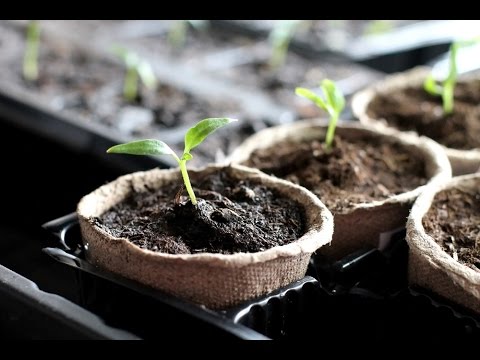
May be grown from cuttings or from seed. If planting from seed, sow indoors on the surface of the soil for 8 weeks before last frost (see Starting Annual Flowers Indoors). Seeds will germinate in 10-20 days. For best results, sow in vermiculite and water from below. Plant outdoors after last frost.
Pinch back young plants after 4-6 leaves have appeared to encourage a bushy habit and apply an organic flower fertilizer for optimum plant health. Spent flowers should be picked often to encourage more blooms. If blooms become scarce, cut back plants drastically then feed and water generously. Plants may need to be staked when young.
Insect & Disease Problems
Snapdragons may have problems with aphids. Watch closely, and if found, take the following common sense, least-toxic approach to pest control:
- Pinch or prune off heavily infested leaves or other plant parts.
- Commercially available beneficial insects, like ladybugs, are important natural predators of the pest.
- Apply food-grade Diatomaceous Earth (DE) for lasting protection. Containing NO toxic poisons, DE works by scoring an insect’s outer layer as it crawls over the fine powder.
- A short-lived natural pesticide, Safer® Soap works fast on heavy infestations.
- Do not over fertilize – aphids like plants with high nitrogen levels and soft new growth.
Foliage and flowers are susceptible to rust disease. If found, use these proven, organic techniques to get rid of the fungal problem.
- Avoid overhead watering whenever possible (use soaker hoses or drip irrigation)
- Properly space plants to improve air circulation
- Apply copper or sulfur sprays to prevent further infection
- If problems persist, remove and discard infected plants
Seed Saving Instructions
Allow flowers to mature and fade on the plant. Seed pods develop at the base of the flower and turn light tan to brown when mature.
Attach a lunch-sized paper bag around seed pods using an elastic, catching the seeds as they fall. When the seeds are fully ripe, cut the stem at the base of the plant and shake the seed head inside the bag to dislodge the seeds from the casing.


