

Have you ever wondered what the world would look like if it were painted in shades of purple?
Welcome to the enchanting world of purple flowering plants! We’re about to embark on a fun and colorful journey through gardens and beyond. But this isn’t just any garden tour; it’s a quest to uncover 150 incredible purple blooms that are good-cut flowers and attractive for pollinators!
So, grab your gardening gloves, put on your adventure hat, and get ready to explore the world of purple like never before. Let’s dive in!
-
Lavender

- Botanical Name: Lavandula
- Hardiness Zones: 5-8
- Plant Type: Herbaceous Perennial
- Sun Exposure: Full Sun
Lavender is a fragrant herb known for its beautiful purple spikes of flowers. It’s a versatile plant used in aromatherapy, culinary dishes, and as an ornamental garden addition. Lavender thrives in well-drained soil and full sun, making it an excellent choice for dry and sunny gardens.
-
Lilac

- Botanical Name: Syringa
- Hardiness Zones: 3-7
- Plant Type: Deciduous Shrub
- Sun Exposure: Full Sun to Partial Shade
Lilacs are beloved for their stunning fragrant purple, pink, or white flower clusters. They are deciduous shrubs that bloom in the spring and are often used as ornamental plants in gardens and landscapes. Lilacs prefer full sun to partial shade and symbolize spring’s arrival.
-
Violet

- Botanical Name: Viola
- Hardiness Zones: 3-7
- Plant Type: Perennial
- Sun Exposure: Full Sun to Partial Shade
Violets are charming, low-growing perennials known for their delicate, often purple or blue, heart-shaped flowers. They thrive in various conditions, from full sun to partial shade, making them versatile for garden borders or naturalized areas. Violets add a touch of whimsy to any garden.
-
Iris

- Botanical Name: Iris
- Hardiness Zones: 3-9
- Plant Type: Rhizomatous Perennial
- Sun Exposure: Full Sun to Partial Shade
Irises are elegant, sword-shaped perennials that produce a wide range of colorful blooms, including shades of purple, blue, and lavender. These hardy plants are often used to create vibrant garden displays and can thrive in various light conditions, from full sun to partial shade.
-
Pansy

- Botanical Name: Viola tricolor var. hortensis
- Hardiness Zones: 6-10
- Plant Type: Annual or Perennial (often grown as an annual)
- Sun Exposure: Full Sun to Partial Shade
Pansies are popular cool-season annuals known for their charming, colorful flowers with “faces.” They come in shades, including purple, and are often used for bedding or container gardening. Pansies prefer cooler temperatures and can withstand light frost.
-
Hyacinth

- Botanical Name: Hyacinthus
- Hardiness Zones: 3-9
- Plant Type: Bulbous Perennial
- Sun Exposure: Full Sun to Partial Shade
Hyacinths are fragrant spring-blooming bulbs that produce dense spikes of star-shaped flowers. They are available in various colors, including shades of purple, and are famous for their sweet scent—plant hyacinth bulbs in the fall for a burst of color in the spring garden.
-
Orchid

- Botanical Name: Orchidaceae (family)
- Hardiness Zones: Varies by species
- Plant Type: Epiphytic or Terrestrial Perennial
- Sun Exposure: Varies by species
Orchids are diverse and elegant flowering plants known for their intricate and often colorful blooms. While they are typically associated with tropical environments, many orchid species can be cultivated as houseplants or in controlled greenhouse conditions. Orchids vary in light requirements, so it’s essential to understand the specific needs of the orchid species you’re growing.
-
Clematis

- Botanical Name: Clematis
- Hardiness Zones: 3-9
- Plant Type: Climbing Vine
- Sun Exposure: Full Sun to Partial Shade
Clematis is a group of stunning climbing vines known for their large, vibrant flowers. They come in various colors, including shades of purple. Clematis vines can be trained to grow on trellises, fences, or arbors, adding vertical interest and color to the garden.
-
Wisteria

- Botanical Name: Wisteria
- Hardiness Zones: 4-9
- Plant Type: Climbing Vine
- Sun Exposure: Full Sun
Wisteria is a vigorous climbing vine known for its cascading clusters of fragrant, pea-like flowers, which can be purple or blue. These vines can cover large structures, such as pergolas, with their beautiful blooms, creating a striking focal point in the garden.
-
Aster

- Botanical Name: Aster
- Hardiness Zones: 3-8
- Plant Type: Perennial
- Sun Exposure: Full Sun
Asters are late-blooming perennials that produce daisy-like flowers in various shades, including purple. They are essential for fall gardens, providing a burst of color when many other flowers are fading. Asters are attractive to pollinators, making them valuable additions to wildlife-friendly gardens.
-
Verbena

- Botanical Name: Verbena
- Hardiness Zones: 7-11
- Plant Type: Annual or Perennial (depending on the variety)
- Sun Exposure: Full Sun
Verbena is a versatile plant available in both annual and perennial varieties. It produces clusters of small, tubular flowers in shades of purple and other colors. Verbena is excellent for attracting butterflies and bees to the garden, and it’s a popular choice for hanging baskets, containers, or garden borders.
-
Petunia

- Botanical Name: Petunia
- Hardiness Zones: 9-11 (typically grown as an annual)
- Plant Type: Annual (often grown as an annual)
- Sun Exposure: Full Sun
Petunias are beloved annuals known for their trumpet-shaped flowers, available in various colors, including shades of purple. They are commonly used in containers, hanging baskets, or bedding plants to provide vibrant, long-lasting color throughout the summer.
-
Chrysanthemum

- Botanical Name: Chrysanthemum
- Hardiness Zones: 5-9
- Plant Type: Perennial
- Sun Exposure: Full Sun to Partial Shade
Chrysanthemums, often called “mums,” are fall-blooming perennials known for their abundant, daisy-like flowers. They come in various colors, including shades of purple, and are famous for adding a splash of color to autumn gardens. Mums are available in both single and double-flower forms.
-
Heather
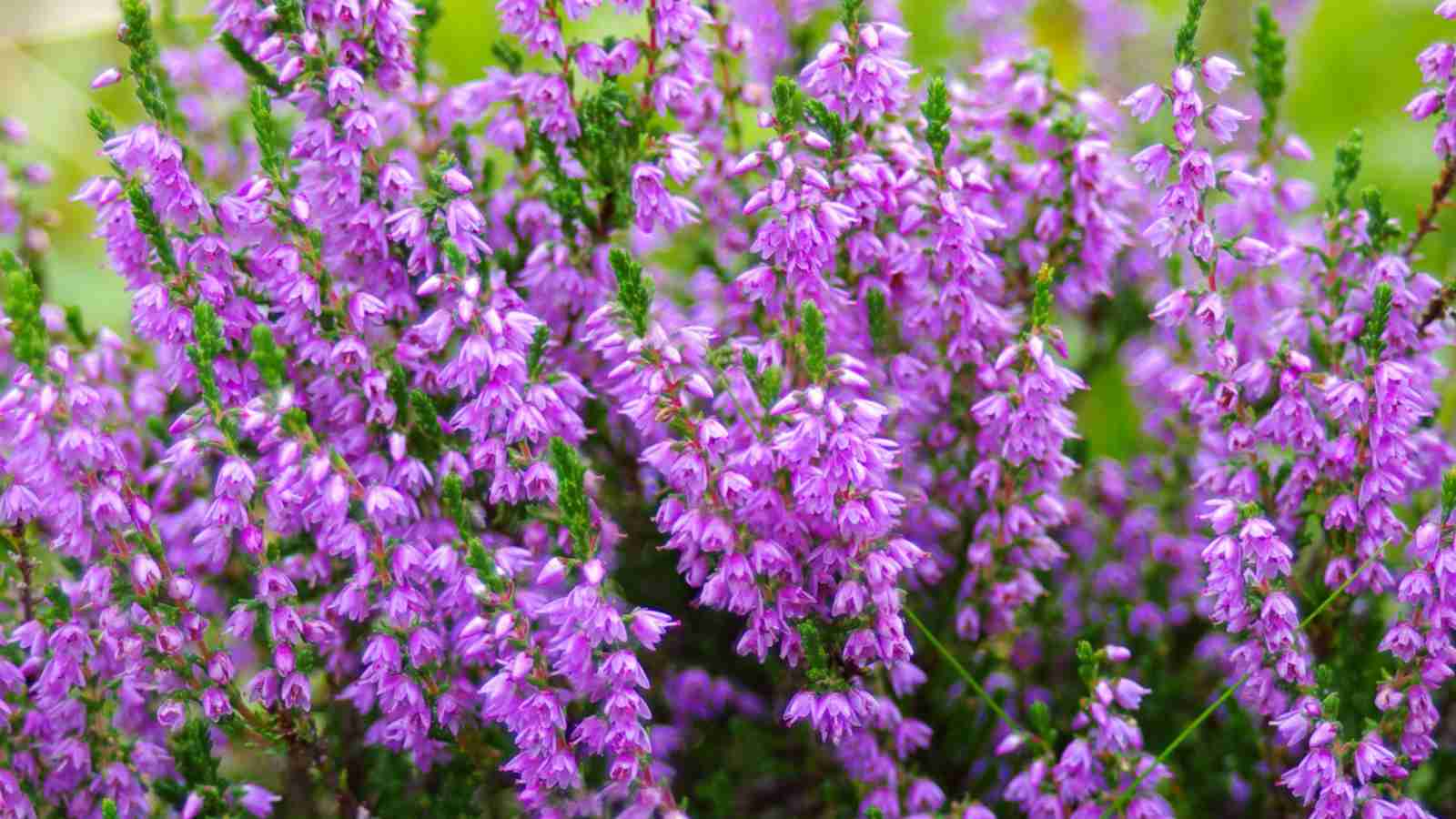
- Botanical Name: Calluna vulgaris (Common Heather)
- Hardiness Zones: 4-6
- Plant Type: Evergreen Shrub
- Sun Exposure: Full Sun to Partial Shade
Heather is a low-growing, evergreen shrub known for its tiny, bell-shaped flowers in purple, pink, and white shades. It’s an excellent choice for adding year-round color to rock gardens or as ground cover in acidic soils. Heather thrives in cool, moist climates.
-
Bougainvillea

- Botanical Name: Bougainvillea
- Hardiness Zones: 9-11 (often grown as an annual in colder zones)
- Plant Type: Climbing Vine or Shrub
- Sun Exposure: Full Sun
Bougainvillea is a tropical plant known for its stunning bracts surrounding inconspicuous flowers. These bracts come in various vibrant colors, including shades of purple. Bougainvillea is often grown as a climbing vine or shrub in warm climates, adding a touch of exotic beauty to gardens and landscapes.
-
Anemone

- Botanical Name: Anemone
- Hardiness Zones: 4-8 (varies by species)
- Plant Type: Perennial
- Sun Exposure: Full Sun to Partial Shade
Anemones are charming perennials that produce delicate, cup-shaped flowers in purple, pink, and white shades. They are often grown for their elegant appearance and make lovely additions to cottage gardens. Depending on the species, they may bloom in spring or fall.
-
Fuchsia

- Botanical Name: Fuchsia
- Hardiness Zones: 7-10 (often grown as an annual)
- Plant Type: Shrub or Hanging Basket Plant
- Sun Exposure: Part Shade to Shade
Fuchsias are known for their unique, pendulous flowers that come in various colors, including shades of purple and pink. They are commonly grown in hanging baskets or containers and thrive in partially shaded areas, making them ideal for shady gardens or patios.
-
Crocus

- Botanical Name: Crocus
- Hardiness Zones: 3-8 (varies by species)
- Plant Type: Bulbous Perennial
- Sun Exposure: Full Sun to Partial Shade
Crocuses are early spring-blooming bulbs known for their cup-shaped flowers in various colors, including purple and lavender. They are often the first flowers to bloom in the garden, signaling the arrival of spring. Crocuses are ideal for naturalizing in lawns or planting in rock gardens.
-
Bluebell

- Botanical Name: Hyacinthoides non-scripta (English Bluebell)
- Hardiness Zones: 3-8
- Plant Type: Bulbous Perennial
- Sun Exposure: Part Shade to Full Shade
Bluebells are enchanting woodland perennials known for their nodding, bell-shaped flowers in shades of blue and purple. They thrive in shaded areas and often carpets the forest floor in spring. Bluebells create a serene and naturalistic atmosphere in shady gardens.
-
Salvia
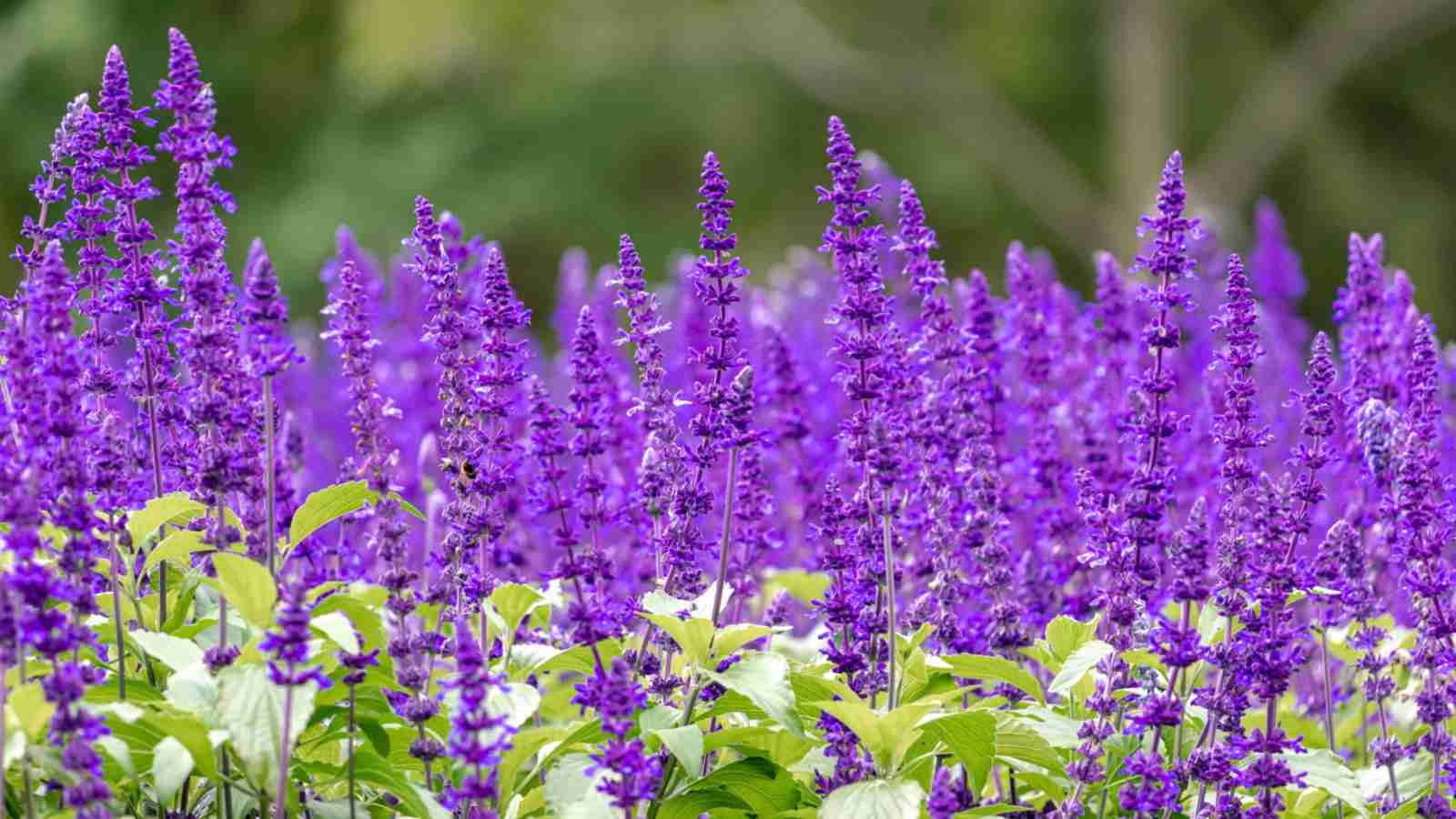
- Botanical Name: Salvia
- Hardiness Zones: Varies by species
- Plant Type: Herbaceous Perennial
- Sun Exposure: Full Sun to Partial Shade
Salvia encompasses a wide range of species, many of which produce spikes of tubular flowers in shades of purple and blue. These versatile perennials are attractive to pollinators and can be used for both ornamental and culinary purposes, depending on the species.
-
Lupine

- Botanical Name: Lupinus
- Hardiness Zones: 3-9 (varies by species)
- Plant Type: Herbaceous Perennial
- Sun Exposure: Full Sun to Partial Shade
Lupines are herbaceous perennials known for their tall spikes of pea-like flowers in various colors, including shades of purple and blue. They are valuable for attracting pollinators and are often used in wildflower meadows or cottage-style gardens.
-
Phlox

- Botanical Name: Phlox
- Hardiness Zones: 3-9 (varies by species)
- Plant Type: Herbaceous Perennial
- Sun Exposure: Full Sun to Partial Shade
Phlox is a group of perennials known for their clusters of fragrant, star-shaped flowers. They come in various colors, including shades of purple, and are commonly used in borders and rock gardens. Phlox provides a burst of color in the summer garden.
-
Larkspur

- Botanical Name: Delphinium
- Hardiness Zones: 3-7 (varies by species)
- Plant Type: Herbaceous Perennial
- Sun Exposure: Full Sun
Larkspur, a type of delphinium, is known for its tall spikes of spurred, butterfly-like flowers in shades of blue and purple. It’s a favorite choice for cottage gardens and provides vertical interest with its towering flower spikes.
-
Sweet Pea

- Botanical Name: Lathyrus odoratus
- Hardiness Zones: 2-11 (often grown as an annual)
- Plant Type: Annual (often grown as an annual)
- Sun Exposure: Full Sun to Partial Shade
Sweet peas are fragrant annuals known for their delicate, butterfly-like flowers that come in various colors, including shades of purple. They are popular for their sweet fragrance and are often grown for cut flowers or to climb trellises and fences.
-
Peony

- Botanical Name: Paeonia
- Hardiness Zones: 3-8 (varies by species)
- Plant Type: Herbaceous Perennial
- Sun Exposure: Full Sun to Partial Shade
Peonies are cherished herbaceous perennials known for their large, ruffled blooms in various colors, including shades of purple, pink, and white. They are classic garden favorites and are often used as focal points in flower beds or as cut flowers for floral arrangements.
-
Snapdragon

- Botanical Name: Antirrhinum
- Hardiness Zones: 7-10 (often grown as an annual)
- Plant Type: Annual or Perennial (depending on the variety)
- Sun Exposure: Full Sun to Partial Shade
Snapdragons are popular annual or perennial plants known for their distinctive, snap-like flowers that come in various colors, including shades of purple. They are often used in bedding displays, borders, or as cut flowers, adding vertical interest to gardens.
-
Allium
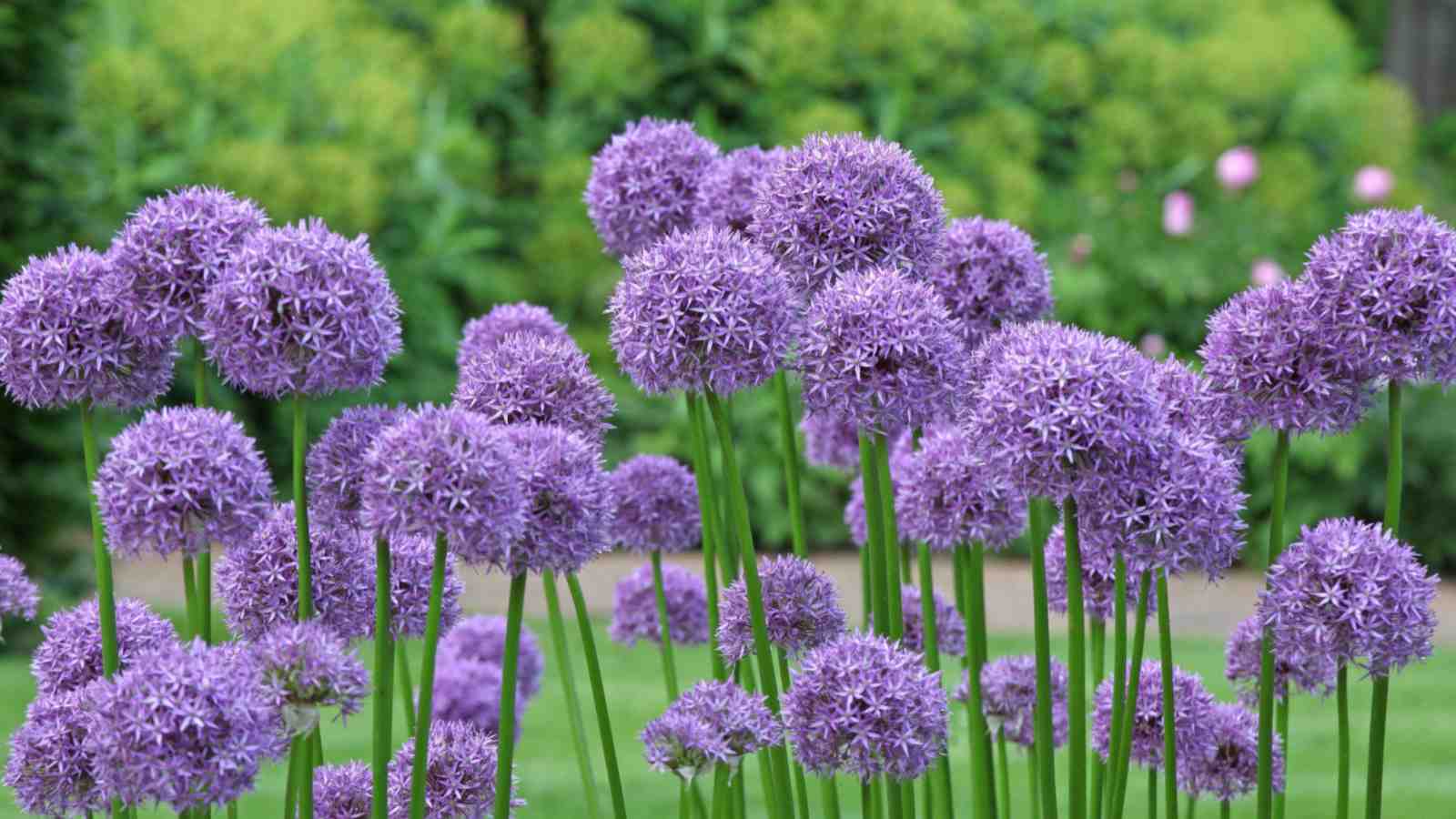
- Botanical Name: Allium
- Hardiness Zones: 3-9 (varies by species)
- Plant Type: Bulbous Perennial
- Sun Exposure: Full Sun
Alliums, also known as ornamental onions, are bulbous perennials known for their globe-shaped flower clusters in shades of purple, blue, and white. They add a unique and architectural element to gardens and are excellent for attracting pollinators.
-
Zinnia

- Botanical Name: Zinnia
- Hardiness Zones: 3-10 (typically grown as an annual)
- Plant Type: Annual (often grown as an annual)
- Sun Exposure: Full Sun
Zinnias are cheerful annuals known for their vibrant, daisy-like flowers in a wide range of colors, including shades of purple. They are versatile garden plants used for mass plantings, borders, and cutting gardens, providing long-lasting summer color.
-
Columbine

- Botanical Name: Aquilegia
- Hardiness Zones: 3-9 (varies by species)
- Plant Type: Perennial
- Sun Exposure: Full Sun to Partial Shade
Columbines are charming perennials known for their unique, spurred flowers that resemble doves. They come in various colors, including shades of purple and blue, and are often used in cottage gardens or woodland settings.
-
Balloon Flower

- Botanical Name: Platycodon grandiflorus
- Hardiness Zones: 3-8
- Plant Type: Perennial
- Sun Exposure: Full Sun to Partial Shade
Balloon flowers get their name from their unique, balloon-like flower buds that burst open to reveal star-shaped blossoms in shades of purple, blue, and white. They are valued for their long bloom period and are suitable for borders or rock gardens.
-
Coneflower
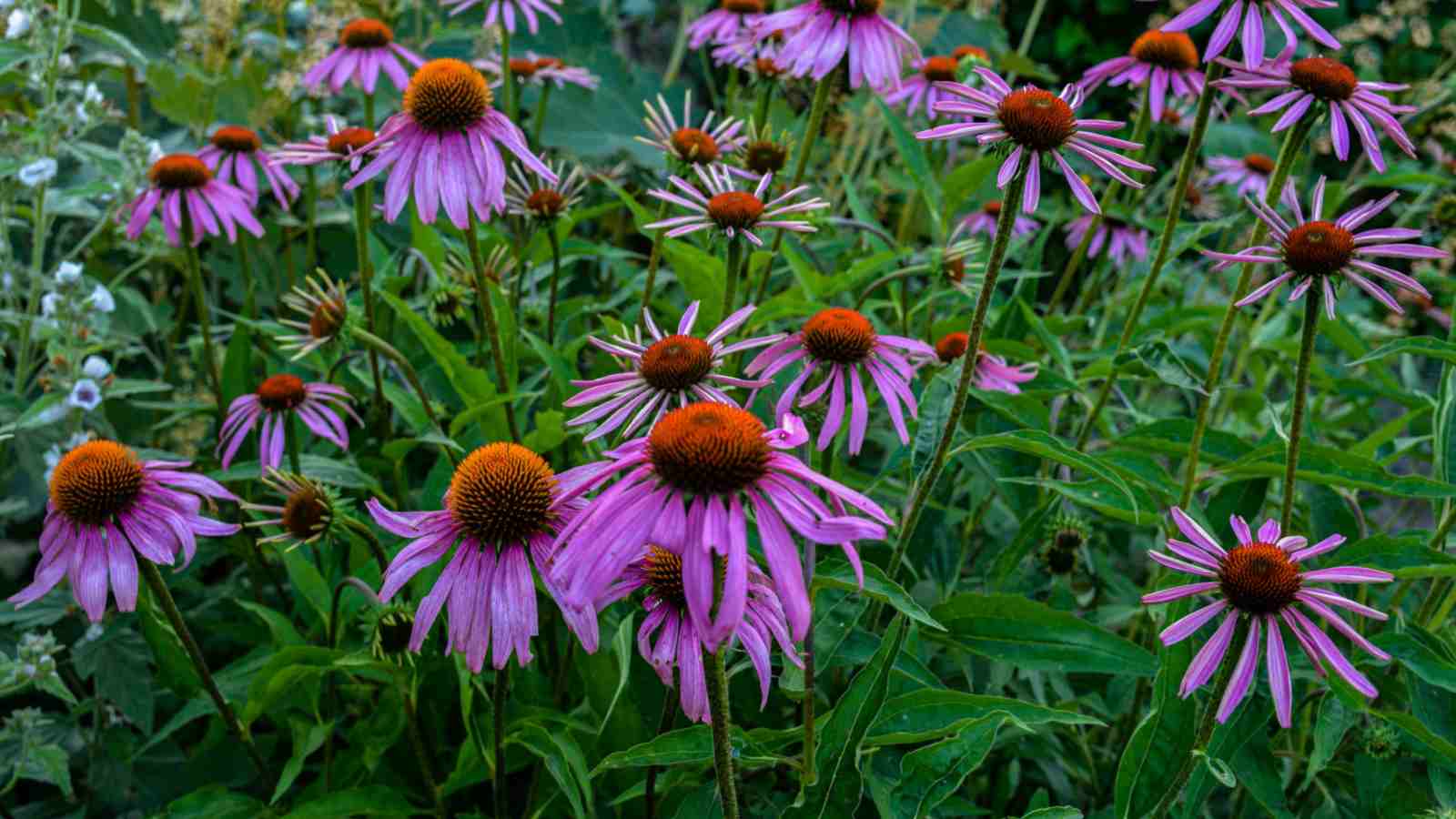
- Botanical Name: Echinacea
- Hardiness Zones: 3-9 (varies by species)
- Plant Type: Herbaceous Perennial
- Sun Exposure: Full Sun
Coneflowers, also known as echinaceas, are popular herbaceous perennials known for their distinctive, daisy-like flowers with raised central cones. They are available in various colors, including shades of purple, and are valuable for attracting pollinators to the garden. Coneflowers are often used in wildflower meadows and prairie-style landscapes.
-
Morning Glory

- Botanical Name: Ipomoea
- Hardiness Zones: 2-11 (often grown as an annual)
- Plant Type: Annual or Perennial (depending on the variety)
- Sun Exposure: Full Sun
Morning glories are fast-growing vines known for their trumpet-shaped flowers that bloom in the morning and close in the afternoon. They come in various colors, including shades of purple and blue. Morning glories are often grown on trellises or fences to provide vertical interest and color.
-
Gladiolus

- Botanical Name: Gladiolus
- Hardiness Zones: 7-10 (often grown as an annual)
- Plant Type: Cormous Perennial
- Sun Exposure: Full Sun
Gladiolus are tall, stately perennials known for their dramatic spikes of flowers in various colors, including shades of purple. They are popular for creating impressive floral arrangements and are often grown in cutting gardens or as ornamental plants in the garden.
-
Canterbury Bells

- Botanical Name: Campanula medium
- Hardiness Zones: 4-8 (often grown as an annual)
- Plant Type: Biennial (often grown as an annual)
- Sun Exposure: Full Sun to Partial Shade
Canterbury bells are biennials known for their bell-shaped flowers that come in shades of purple, pink, and white. They are often grown as annuals for their charming appearance and are suitable for borders and cottage gardens.
-
Hellebore

- Botanical Name: Helleborus
- Hardiness Zones: 4-9 (varies by species)
- Plant Type: Perennial
- Sun Exposure: Part Shade to Full Shade
Hellebores, also known as Lenten roses, are shade-loving perennials known for their early spring blooms in various colors, including shades of purple and pink. They are cherished for adding color to shady areas and for their ability to bloom in late winter or early spring.
-
Thistle

- Botanical Name: Cirsium (various species)
- Hardiness Zones: Varies by species
- Plant Type: Biennial or Perennial (varies by species)
- Sun Exposure: Full Sun
Thistles are prickly plants known for their distinctive, spiky flowers, often in shades of purple or pink. While some thistle species are considered invasive, others are valued for their unique appearance and are used in wildflower meadows and naturalized areas.
-
Speedwell
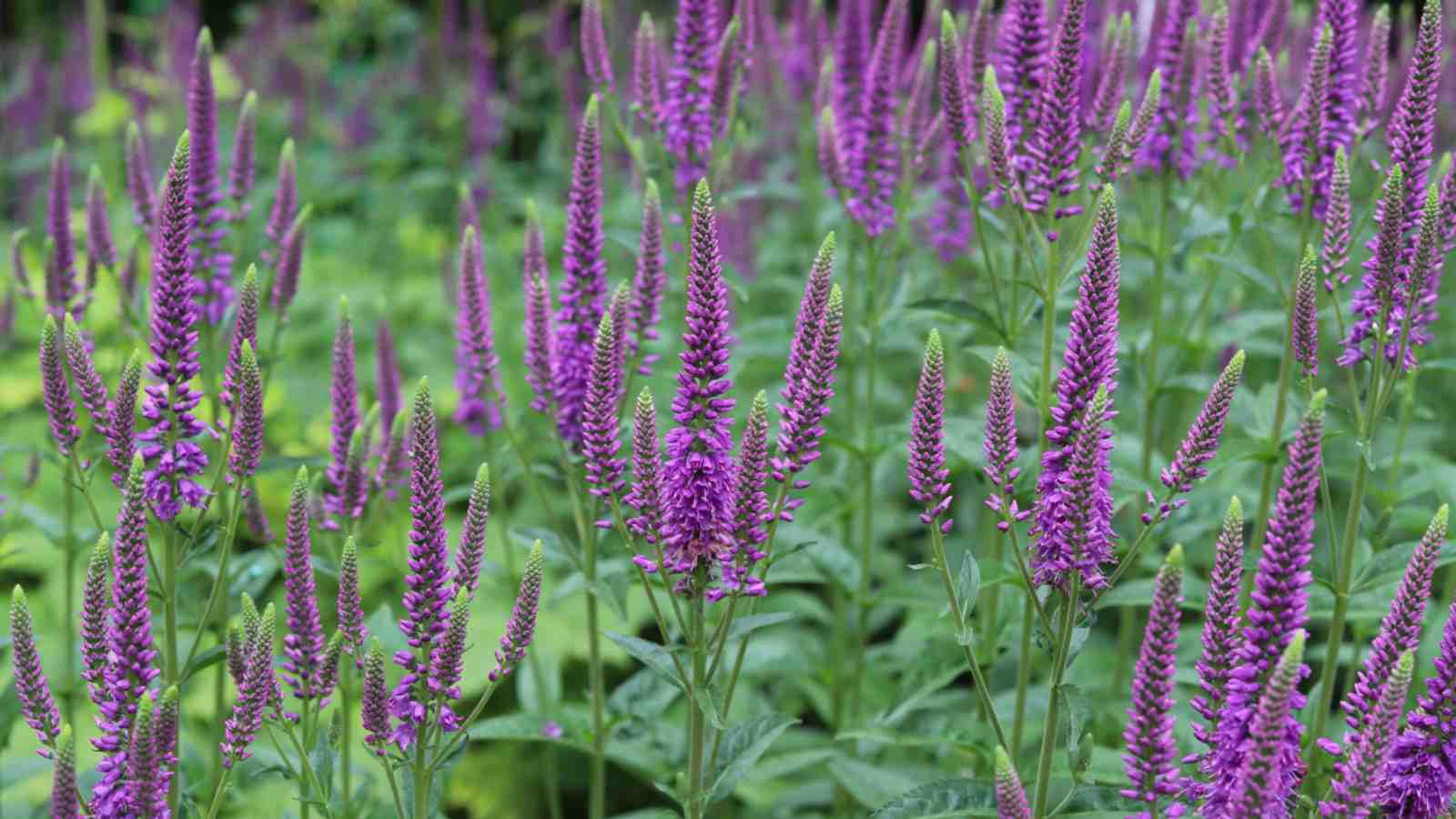
- Botanical Name: Veronica (various species)
- Hardiness Zones: Varies by species
- Plant Type: Perennial
- Sun Exposure: Full Sun to Partial Shade
Speedwell is a diverse group of perennials known for their slender spikes of small, tubular flowers in shades of blue and purple. They are often used as ground covers or in rock gardens, providing a carpet of color in spring and summer.
-
Bellflower

- Botanical Name: Campanula (various species)
- Hardiness Zones: Varies by species
- Plant Type: Perennial
- Sun Exposure: Full Sun to Partial Shade
Bellflowers are perennials known for their bell-shaped flowers that come in various colors, including shades of purple and blue. They are versatile garden plants suitable for borders, rock gardens, or containers.
-
Aconitum
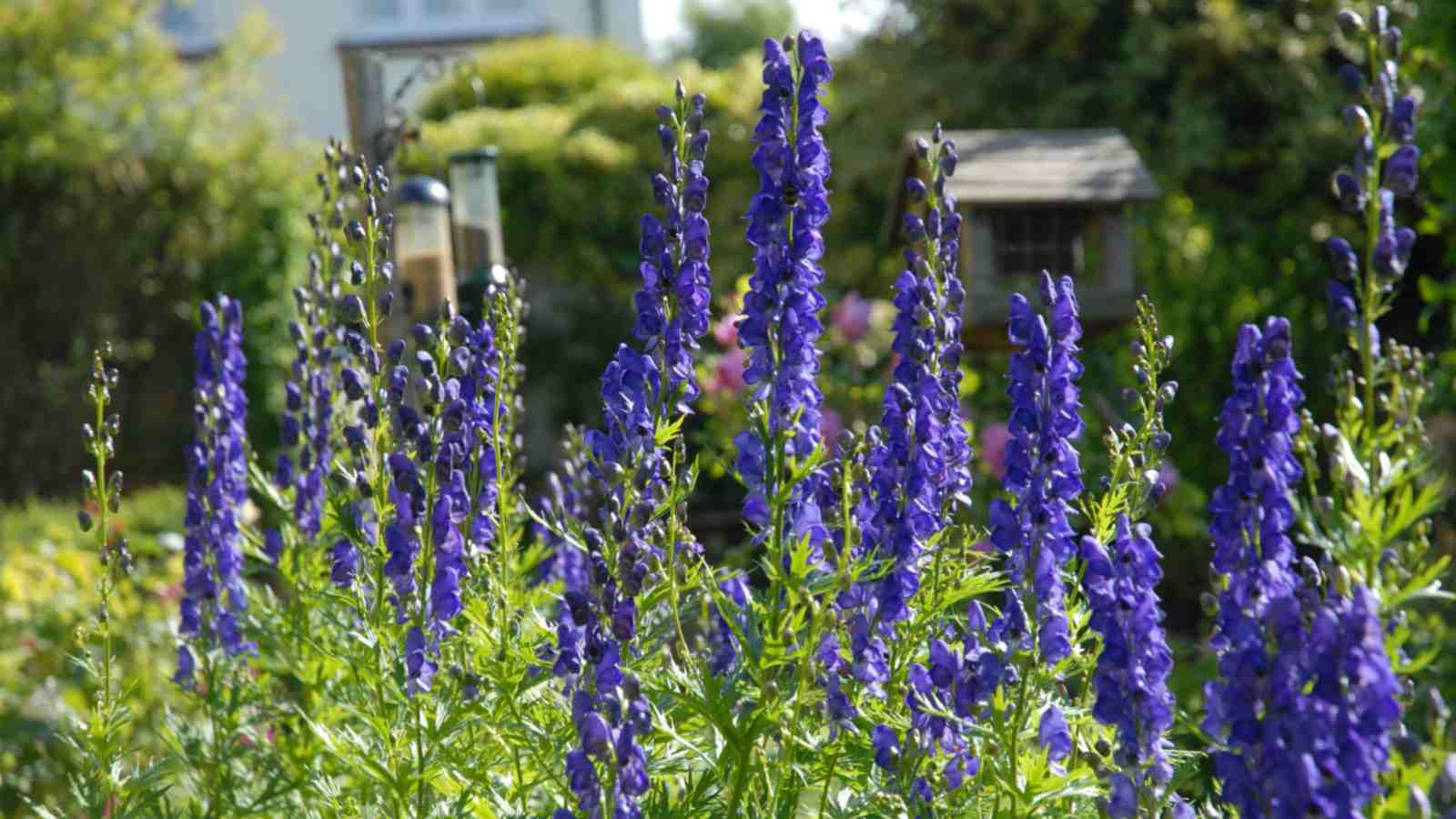
- Botanical Name: Aconitum (various species)
- Hardiness Zones: Varies by species
- Plant Type: Perennial
- Sun Exposure: Full Sun to Partial Shade
Aconitum, also known as monkshood or wolfsbane, is a group of perennials known for their tall spikes of hooded, helmet-like flowers in shades of purple and blue. These striking plants are prized for their unique appearance but should be handled with care, as they are toxic if ingested.
-
Monkshood

- Botanical Name: Aconitum (various species)
- Hardiness Zones: Varies by species
- Plant Type: Perennial
- Sun Exposure: Full Sun to Partial Shade
Monkshood, as mentioned earlier, is a member of the Aconitum genus and is known for its tall spikes of hooded, helmet-like flowers. They are often grown in gardens for their striking appearance and are available in various shades, including purple and blue.
-
Pasqueflower

- Botanical Name: Pulsatilla (various species)
- Hardiness Zones: Varies by species
- Plant Type: Perennial
- Sun Exposure: Full Sun
Pasqueflowers are perennials known for their early spring blooms that feature fuzzy, bell-shaped flowers in shades of purple, blue, and white. They are prized for their charming appearance and are often grown in rock gardens or alpine plantings.
-
Amethyst Falls Wisteria

- Botanical Name: Wisteria frutescens ‘Amethyst Falls
- Hardiness Zones: 5-9
- Plant Type: Deciduous Climbing Vine
- Sun Exposure: Full Sun to Partial Shade
Amethyst Falls Wisteria is a cultivar of wisteria known for its clusters of fragrant, cascading flowers in shades of lavender-blue. It’s a more compact and manageable wisteria variety than some of its larger counterparts, making it suitable for smaller gardens or trellises.
-
Impatiens

- Botanical Name: Impatiens walleriana
- Hardiness Zones: 10-11 (typically grown as an annual)
- Plant Type: Annual (often grown as an annual)
- Sun Exposure: Part Shade to Full Shade
Impatiens are popular annuals known for their colorful, flat-faced flowers, including shades of purple, pink, and white. They thrive in shaded areas and are often used for adding color to shady borders, containers, or hanging baskets.
-
Foxglove

- Botanical Name: Digitalis purpurea
- Hardiness Zones: 4-8 (often grown as a biennial)
- Plant Type: Biennial (often grown as a biennial)
- Sun Exposure: Part Shade to Full Sun
Foxgloves are biennials known for their tall spikes of tubular flowers in shades of purple, pink, and white. They are often grown for their cottage garden charm and are attractive to pollinators.
-
Stock

- Botanical Name: Matthiola
- Hardiness Zones: 7-10 (often grown as an annual)
- Plant Type: Annual or Perennial (depending on the variety)
- Sun Exposure: Full Sun
Stocks are fragrant annuals or perennials known for their compact spikes of flowers in shades of purple, pink, and white. They are often used for their sweet fragrance and are valuable for cut flower arrangements.
-
Agapanthus

- Botanical Name: Agapanthus
- Hardiness Zones: 6-11 (varies by species)
- Plant Type: Perennial
- Sun Exposure: Full Sun to Partial Shade
Agapanthus, commonly known as Lily of the Nile, is a group of perennials known for their spherical clusters of tubular flowers in shades of blue and purple. They are often used as ornamental plants and are especially stunning when mass planted or used in containers.
-
Verbascum

- Botanical Name: Verbascum (various species)
- Hardiness Zones: Varies by species
- Plant Type: Biennial or Perennial (varies by species)
- Sun Exposure: Full Sun
Verbascum, also known as mullein, is a diverse group of biennial or perennial plants known for their tall spikes of flowers, often in shades of yellow or purple. They are suitable for wildflower gardens and add vertical interest to the landscape.
-
Scabiosa

- Botanical Name: Scabiosa (various species)
- Hardiness Zones: Varies by species
- Plant Type: Perennial
- Sun Exposure: Full Sun to Partial Shade
Scabiosa, commonly known as pincushion flower, is a group of perennials known for their rounded clusters of pincushion-like flowers in shades of purple, blue, and white. They are popular for attracting pollinators and are often used in cottage gardens.
-
Gloxinia

- Botanical Name: Sinningia speciosa
- Hardiness Zones: 10-12 (typically grown as an indoor plant)
- Plant Type: Houseplant or Indoor Plant
- Sun Exposure: Bright Indirect Light
Gloxinias are tropical houseplants known for their lush, velvety leaves and tubular, bell-shaped flowers in various colors, including shades of purple and pink. They are valued for their exotic appearance and are typically grown as indoor ornamental plants.
-
Catmint

- Botanical Name: Nepeta
- Hardiness Zones: 3-9 (varies by species)
- Plant Type: Perennial
- Sun Exposure: Full Sun
Catmint is a group of perennials known for their aromatic foliage and spikes of tubular flowers in shades of blue, lavender, or purple. They are drought-tolerant and are attractive to cats, making them a popular choice for both ornamental and pet-friendly gardens.
-
Malva

- Botanical Name: Malva (various species)
- Hardiness Zones: Varies by species
- Plant Type: Perennial
- Sun Exposure: Full Sun to Partial Shade
Malva, also known as mallow, is a diverse group of perennials known for their saucer-shaped flowers in various shades, including purple, pink, and white. They are often used in cottage gardens and are attractive to pollinators.
-
Spider Flower

- Botanical Name: Cleome hassleriana
- Hardiness Zones: 2-11 (often grown as an annual)
- Plant Type: Annual (often grown as an annual)
- Sun Exposure: Full Sun
Spider flower, or cleome, is an annual known for its distinctive, spider-like flowers in shades of purple, pink, and white. They are often used for their unique appearance and are suitable for borders, containers, or cottage gardens.
-
Angelonia
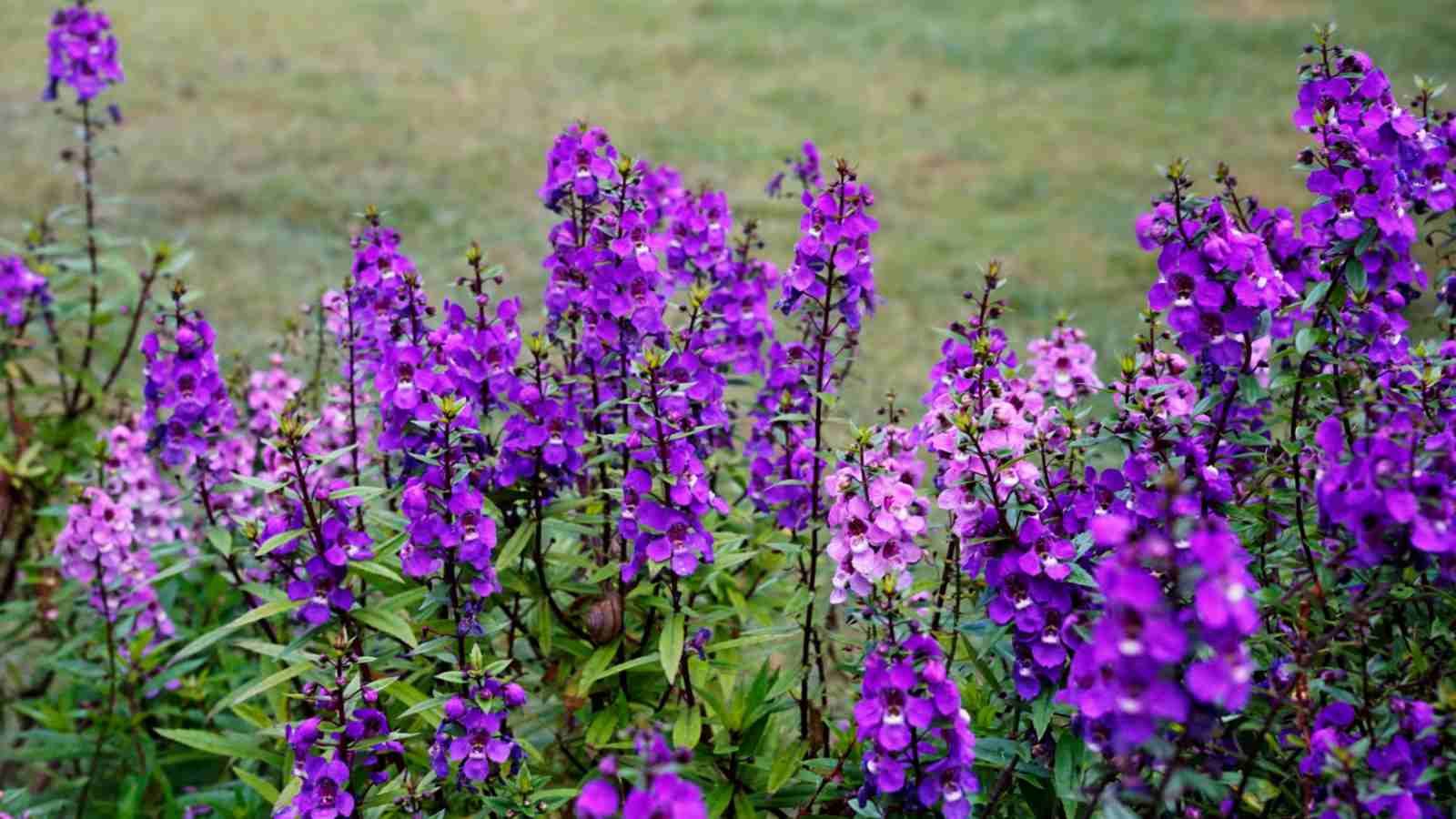
- Botanical Name: Angelonia angustifolia
- Hardiness Zones: 9-11 (often grown as an annual)
- Plant Type: Annual (often grown as an annual)
- Sun Exposure: Full Sun
Angelonia, also known as summer snapdragon, is an annual known for its upright spikes of tubular flowers in various colors, including shades of purple, pink, and white. They are heat-tolerant and provide long-lasting summer color in gardens and containers.
-
Liatris
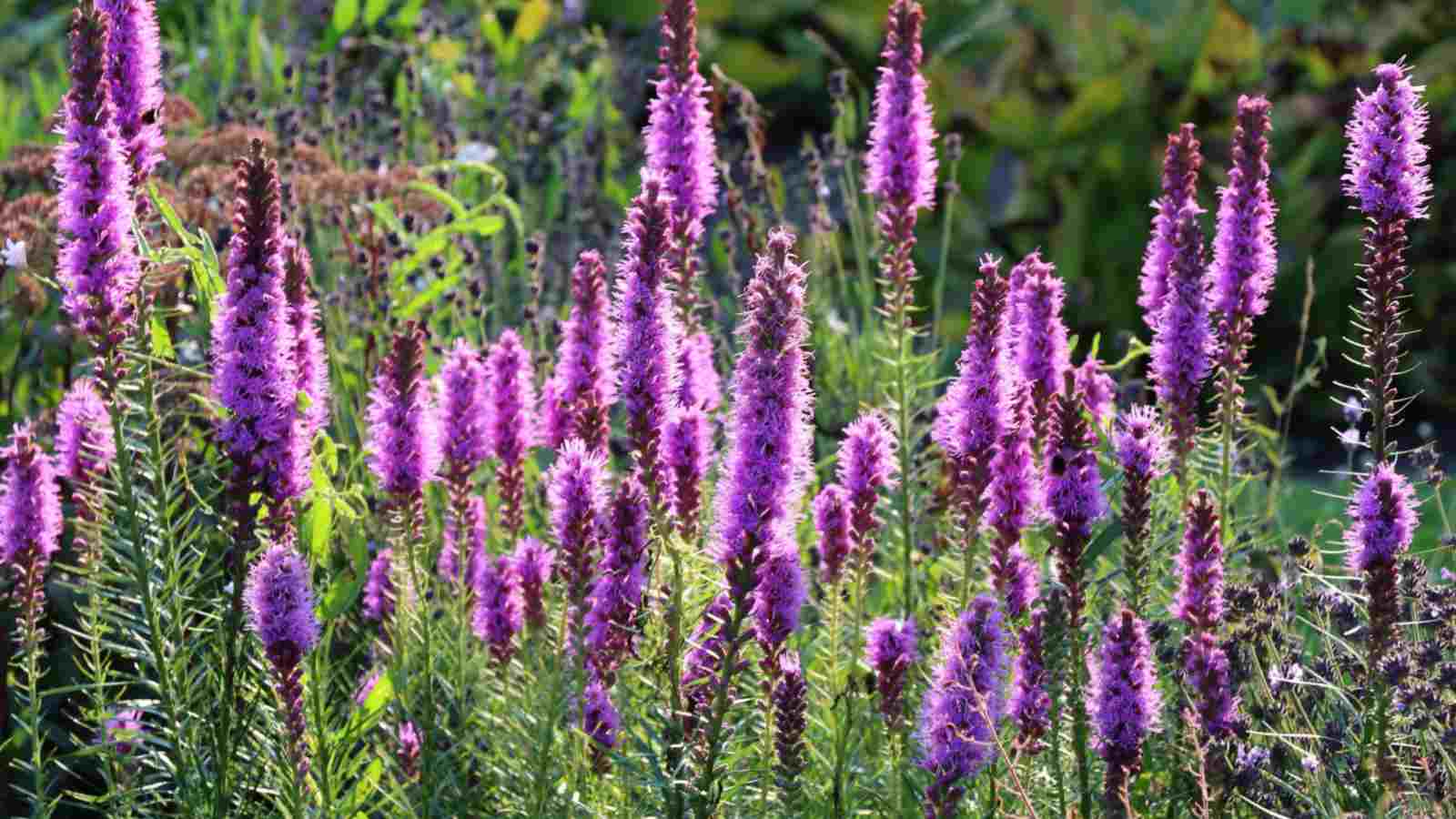
- Botanical Name: Liatris
- Hardiness Zones: 3-9 (varies by species)
- Plant Type: Perennial
- Sun Exposure: Full Sun
Liatris, also known as blazing star or gayfeather, is a group of perennials known for their tall spikes of bottlebrush-like flowers in shades of purple, pink, and white. They are attractive to pollinators and are often used in native plant gardens and prairie landscapes.
-
Calibrachoa

- Botanical Name: Calibrachoa
- Hardiness Zones: 9-11 (typically grown as an annual)
- Plant Type: Annual (often grown as an annual)
- Sun Exposure: Full Sun
Calibrachoa, often referred to as million bells, is an annual known for its small, trumpet-shaped flowers in various colors, including shades of purple, pink, and yellow. They are often used in hanging baskets, containers, or as ground cover, providing a profusion of color throughout the summer.
-
Delphinium

- Botanical Name: Delphinium
- Hardiness Zones: 3-7 (varies by species)
- Plant Type: Herbaceous Perennial
- Sun Exposure: Full Sun
Delphiniums are stunning herbaceous perennials known for their tall spikes of deeply lobed, clustered flowers in various shades, including purple and blue. They are often grown for their striking appearance and are ideal for cottage gardens and floral arrangements.
-
Muscari
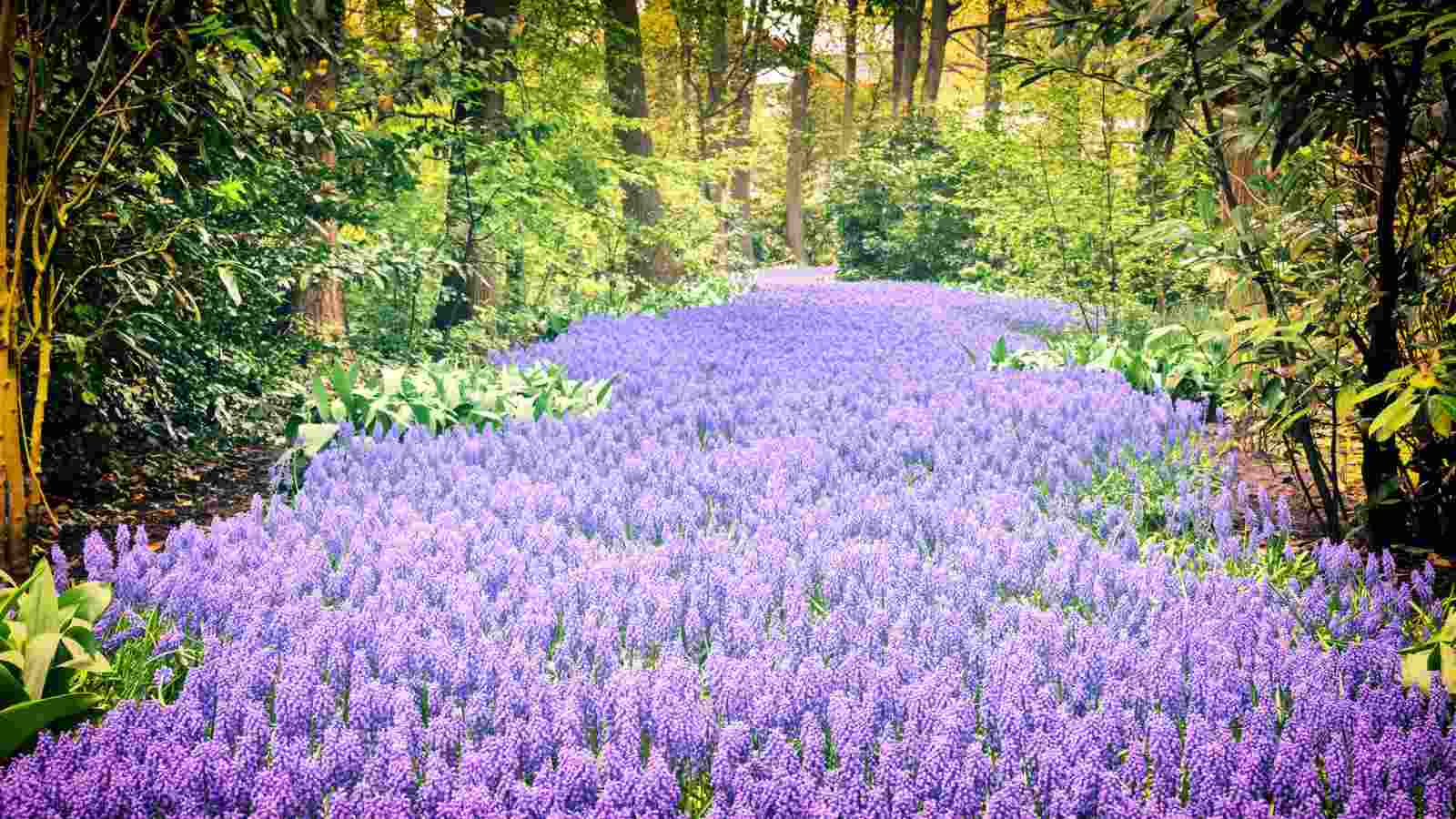
- Botanical Name: Muscari
- Hardiness Zones: 3-9 (varies by species)
- Plant Type: Bulbous Perennial
- Sun Exposure: Full Sun to Partial Shade
Muscari, commonly known as grape hyacinth, is a group of bulbous perennials known for their tiny, grape-like clusters of tubular flowers in shades of blue, purple, and white. They are excellent for naturalizing in lawns or planting in rock gardens.
-
Tradescantia

- Botanical Name: Tradescantia
- Hardiness Zones: 4-9 (varies by species)
- Plant Type: Perennial
- Sun Exposure: Full Sun to Partial Shade
Tradescantias are perennials known for their strappy green leaves and clusters of small, three-petaled flowers in shades of purple, pink, and white. They are often used as ground covers or in mixed borders and are appreciated for their ease of care.
-
Ajuga
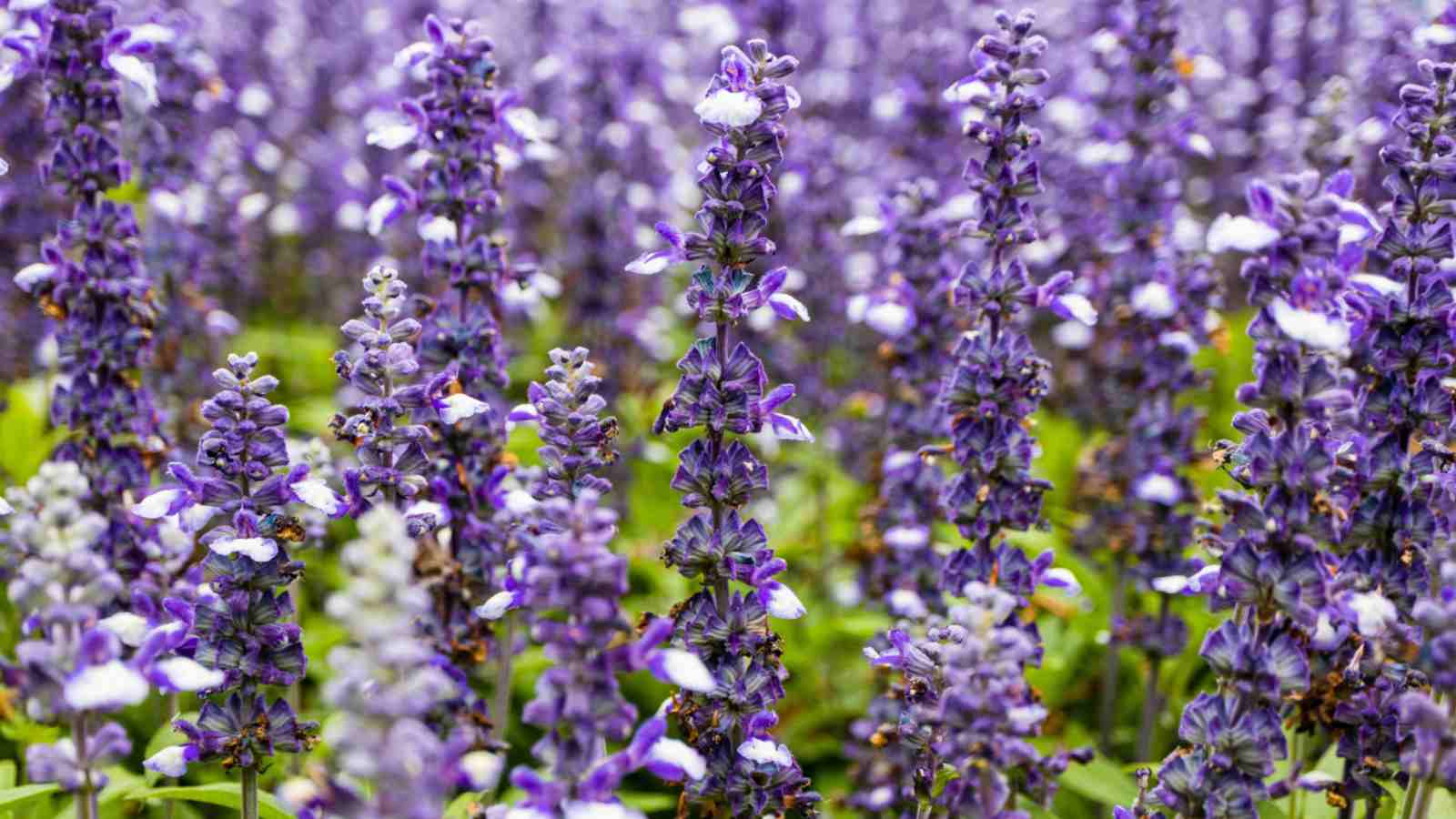
- Botanical Name: Ajuga reptans
- Hardiness Zones: 3-10 (varies by species)
- Plant Type: Perennial
- Sun Exposure: Full Sun to Partial Shade
Ajuga, also known as bugleweed, is a low-growing perennial known for its spikes of small, tubular flowers in shades of purple, blue, and white. It forms dense mats of foliage and is suitable for ground cover in various light conditions.
-
Rhododendron

- Botanical Name: Rhododendron
- Hardiness Zones: 4-9 (varies by species)
- Plant Type: Evergreen Shrub
- Sun Exposure: Part Shade to Full Shade
Rhododendrons are evergreen shrubs known for their large, showy clusters of trumpet-shaped flowers in various colors, including shades of purple and lavender. They are valued for their striking blooms and are often used as foundation plants or woodland garden specimens.
-
Campanula

- Botanical Name: Campanula (various species)
- Hardiness Zones: Varies by species
- Plant Type: Perennial
- Sun Exposure: Full Sun to Partial Shade
Campanulas, commonly known as bellflowers, are perennials known for their bell-shaped flowers that come in various colors, including shades of purple and blue. They are versatile garden plants suitable for borders, rock gardens, or containers.
-
Iris Versicolor

- Botanical Name: Iris versicolor
- Hardiness Zones: 3-9
- Plant Type: Perennial
- Sun Exposure: Full Sun to Partial Shade
Iris versicolor, also known as northern blue flag iris, is a perennial known for its striking, blue-purple iris flowers. These native plants are often used in wetland gardens or near water features for their beauty and ability to thrive in damp soils.
-
Dianthus

- Botanical Name: Dianthus (various species)
- Hardiness Zones: Varies by species
- Plant Type: Perennial
- Sun Exposure: Full Sun
Dianthus, also known as pinks or carnations, is a diverse group of perennials known for their fragrant, fringed flowers in shades of pink, purple, and white. They are popular for their delightful scent and are often used in borders, rock gardens, or as cut flowers.
-
Aquilegia

- Botanical Name: Aquilegia (various species)
- Hardiness Zones: Varies by species
- Plant Type: Perennial
- Sun Exposure: Full Sun to Partial Shade
Aquilegia, commonly known as columbine, is a group of perennials known for their unique, spurred flowers in various colors, including shades of purple and blue. They are often used in cottage gardens or naturalized settings and are attractive to pollinators.
-
Osteospermum
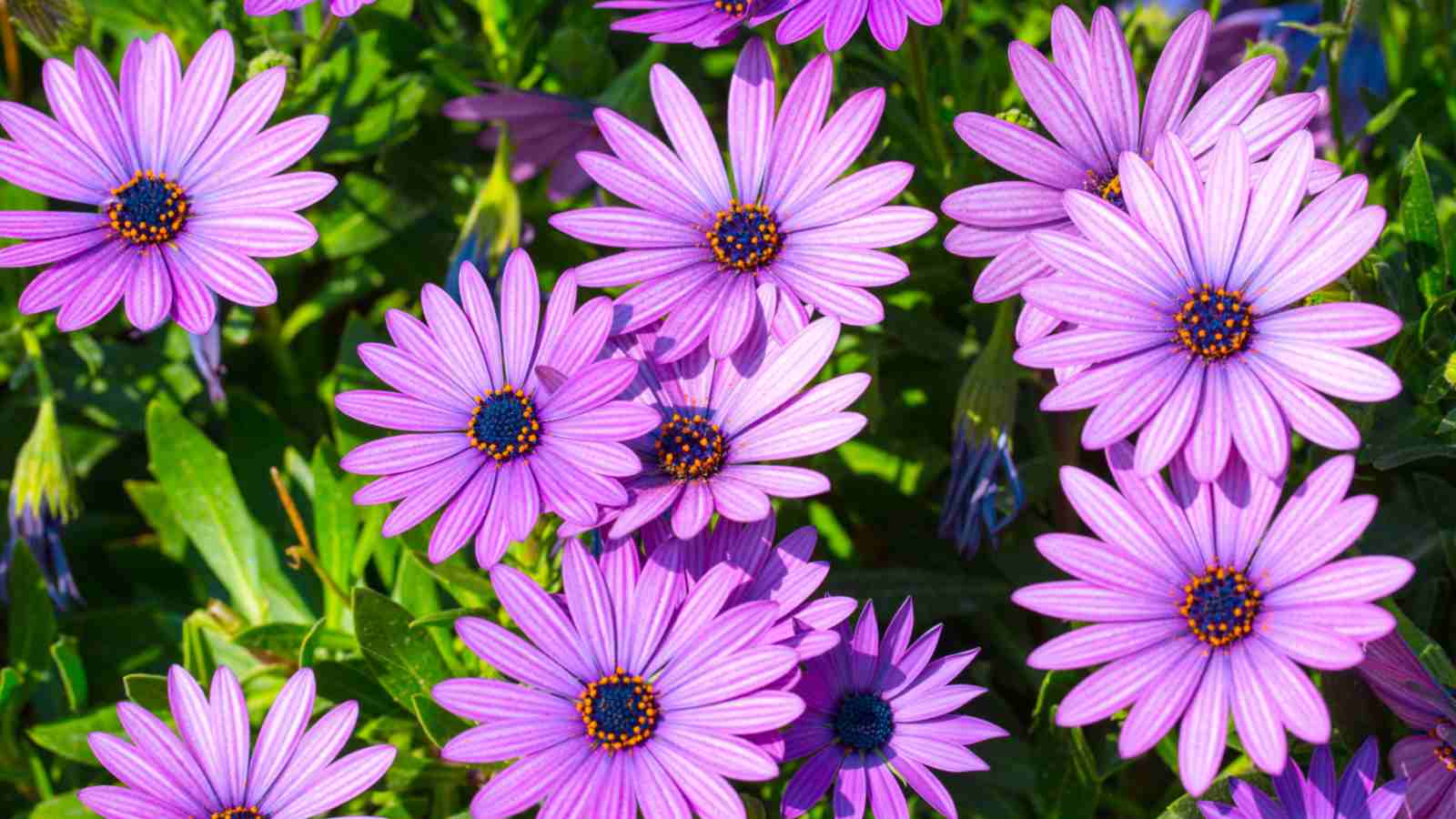
- Botanical Name: Osteospermum
- Hardiness Zones: 9-11 (typically grown as an annual)
- Plant Type: Annual (often grown as an annual)
- Sun Exposure: Full Sun
Osteospermum, also known as African daisy or Cape daisy, is an annual known for its daisy-like flowers in various colors, including shades of purple, pink, and white. They are often used in containers, borders, or as ground cover, providing vibrant color.
-
Bell Orchid

- Botanical Name: Calanthe (various species)
- Hardiness Zones: Varies by species
- Plant Type: Orchid
- Sun Exposure: Bright Indirect Light
Bell orchids, part of the Calanthe genus, are a group of orchids known for their elegant, bell-shaped flowers in shades of purple, pink, and white. They are typically grown as indoor plants and require bright, indirect light to thrive.
-
Purple Coneflower

- Botanical Name: Echinacea purpurea
- Hardiness Zones: 3-9
- Plant Type: Herbaceous Perennial
- Sun Exposure: Full Sun
Purple coneflower, or Echinacea purpurea, is a well-loved herbaceous perennial known for its striking, daisy-like flowers with prominent, raised cones. It is a favorite among pollinators and is often used in native plant gardens or wildflower meadows.
-
Solanum

- Botanical Name: Solanum (various species)
- Hardiness Zones: Varies by species
- Plant Type: Annual or Perennial (varies by species)
- Sun Exposure: Full Sun
Solanum, a diverse genus, includes plants like the ornamental nightshades and decorative eggplants. Some species produce small, star-shaped flowers in shades of purple, blue, or white. These plants can be grown as ornamentals in gardens or containers.
-
Hesperis

- Botanical Name: Hesperis matronalis
- Hardiness Zones: 3-9
- Plant Type: Biennial
- Sun Exposure: Full Sun to Partial Shade
Hesperis, also known as Dame’s Rocket, is a biennial known for its fragrant, four-petaled flowers in shades of purple, pink, and white. It is often grown for its sweet scent and is suitable for cottage gardens or naturalized areas.
-
Browallia

- Botanical Name: Browallia (various species)
- Hardiness Zones: Varies by species
- Plant Type: Annual
- Sun Exposure: Full Sun to Partial Shade
Browallias are annuals known for their small, star-shaped flowers in shades of blue, purple, and white. They are often used as bedding plants or containers, adding color to garden beds or hanging baskets.
-
Ranunculus

- Botanical Name: Ranunculus (various species)
- Hardiness Zones: Varies by species
- Plant Type: Perennial or Annual (varies by species)
- Sun Exposure: Full Sun to Partial Shade
Ranunculus, also known as buttercups, is a group of plants with vibrant, multi-petaled flowers in various colors, including shades of purple, pink, and yellow. They are often grown as annuals or perennials and are popular for their cheerful appearance in gardens and floral arrangements.
-
Verbena

- Botanical Name: Verbena (various species)
- Hardiness Zones: Varies by species
- Plant Type: Perennial or Annual (varies by species)
- Sun Exposure: Full Sun
Verbena is a diverse group of plants known for their clusters of small, tubular flowers in shades of purple, pink, and white. They are versatile garden plants used for ground covers, containers, or as border edging, providing long-lasting color.
-
Cattleya Orchid

- Botanical Name: Cattleya (various species)
- Hardiness Zones: 10-12 (typically grown as indoor plants)
- Plant Type: Orchid
- Sun Exposure: Bright Indirect Light
Cattleya orchids are stunning indoor plants known for their large, showy flowers in various colors, including shades of purple, pink, and white. They are prized for their exotic appearance and are often grown as ornamental houseplants.
-
Bouvardia

- Botanical Name: Bouvardia (various species)
- Hardiness Zones: Varies by species
- Plant Type: Shrub or Perennial (varies by species)
- Sun Exposure: Full Sun to Partial Shade
Bouvardia is a group of plants known for their tubular, star-shaped flowers in shades of pink, red, and white. They are often used as ornamental shrubs or perennials in gardens and are prized for their attractive blooms.
-
Blazing Star

- Botanical Name: Liatris spicata
- Hardiness Zones: 3-8
- Plant Type: Herbaceous Perennial
- Sun Exposure: Full Sun
Blazing star, or Liatris spicata, is a herbaceous perennial known for its tall spikes of fluffy, bottlebrush-like flowers in shades of purple and pink. It is a favorite among pollinators and is often used in wildflower gardens and meadows.
-
Fritillaria

- Botanical Name: Fritillaria (various species)
- Hardiness Zones: Varies by species
- Plant Type: Bulbous Perennial
- Sun Exposure: Full Sun to Partial Shade
Fritillarias are bulbous perennials known for their distinctive, pendant-shaped flowers in shades of purple, yellow, and white. They are prized for their unusual appearance and are often grown in rock gardens or woodland settings.
-
Plectranthus

- Botanical Name: Plectranthus (various species)
- Hardiness Zones: Varies by species
- Plant Type: Perennial or Annual (varies by species)
- Sun Exposure: Full Sun to Partial Shade
Plectranthus is a diverse genus known for its aromatic foliage and spikes of tubular flowers in shades of purple, pink, and white. They are often grown as ornamental plants in gardens or as houseplants.
-
Nemesia

- Botanical Name: Nemesia (various species)
- Hardiness Zones: Varies by species
- Plant Type: Annual
- Sun Exposure: Full Sun to Partial Shade
Nemesia is an annual known for its small, snapdragon-like flowers in shades of purple, pink, and white. They are often used in bedding displays, containers, or hanging baskets, providing vibrant color throughout the growing season.
-
Toad Lily

- Botanical Name: Tricyrtis (various species)
- Hardiness Zones: Varies by species
- Plant Type: Perennial
- Sun Exposure: Part Shade to Full Shade
Toad lilies, part of the Tricyrtis genus, are perennials known for their unique, orchid-like flowers in shades of purple, pink, and white. They are valued for their ability to bloom in the shade and are often used in woodland gardens or as accents in shady borders.
-
Aster Novi-Belgii
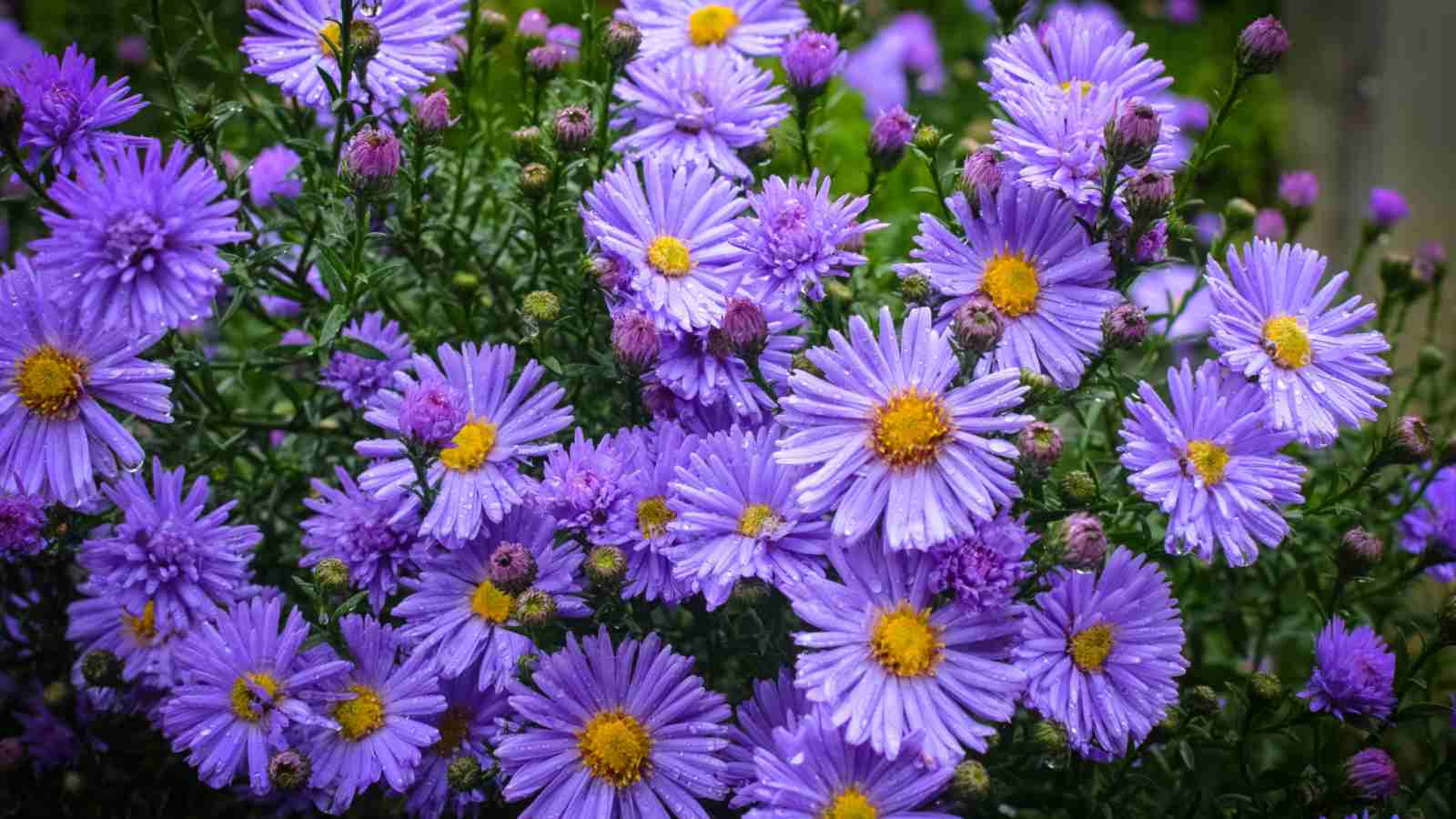
- Botanical Name: Symphyotrichum novi-belgii
- Hardiness Zones: 4-8
- Plant Type: Perennial
- Sun Exposure: Full Sun
Aster novi-belgii, also known as New York aster, is a perennial known for its daisy-like flowers in shades of purple, pink, and white. They are often grown in perennial borders or native plant gardens, attracting pollinators with late-season blooms.
-
Heuchera
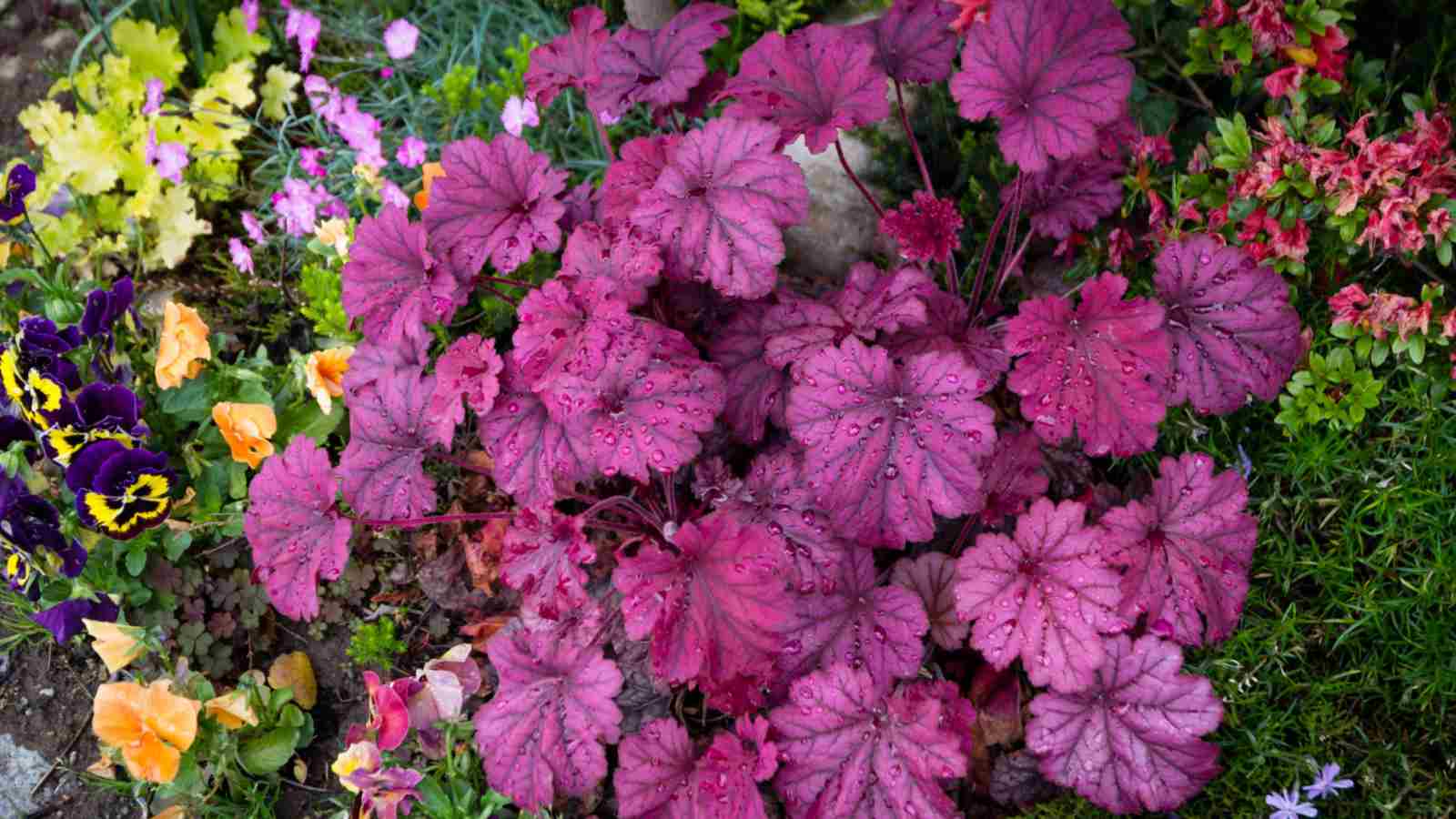
- Botanical Name: Heuchera (various species)
- Hardiness Zones: Varies by species
- Plant Type: Perennial
- Sun Exposure: Part Shade to Full Shade
Heucheras, commonly known as coral bells, are perennials known for their colorful, ruffled leaves and spikes of small, bell-shaped flowers in shades of purple, pink, and white. They are valued for foliage and are often used in shaded gardens or as ground covers.
-
Gaura

- Botanical Name: Gaura lindheimeri
- Hardiness Zones: 5-9
- Plant Type: Perennial
- Sun Exposure: Full Sun
Gaura, also known as wandflower or butterfly bush, is a perennial known for its airy spikes of small, star-shaped flowers in shades of pink and white. They are attractive to pollinators and are often used in cottage gardens or naturalized areas.
-
Clematis

- Botanical Name: Clematis (various species)
- Hardiness Zones: Varies by species
- Plant Type: Climbing Vine
- Sun Exposure: Full Sun to Partial Shade
Clematis is a diverse group of climbing vines known for their showy, star-shaped flowers in various colors, including shades of purple, pink, and white. They are often grown on trellises, arbors, or fences, adding vertical interest and color to the garden.
-
Cyclamen

- Botanical Name: Cyclamen (various species)
- Hardiness Zones: Varies by species
- Plant Type: Perennial
- Sun Exposure: Part Shade to Full Shade
Cyclamens are perennials known for their unique, upswept flowers in shades of pink, purple, and white. They are often grown as houseplants or in shaded gardens, providing color during the cooler months.
-
Browallia

- Botanical Name: Browallia (various species)
- Hardiness Zones: Varies by species
- Plant Type: Annual
- Sun Exposure: Full Sun to Partial Shade
Browallias, as mentioned earlier, are annuals known for their small, star-shaped flowers in shades of blue, purple, and white. They are often used as bedding plants, in containers, or hanging baskets, adding colorful accents to garden displays.
-
Campanula

- Botanical Name: Campanula (various species)
- Hardiness Zones: Varies by species
- Plant Type: Perennial
- Sun Exposure: Full Sun to Partial Shade
Campanulas, commonly known as bellflowers, are perennials known for their bell-shaped flowers that come in various colors, including shades of purple and blue. They are versatile garden plants suitable for borders, rock gardens, or containers.
-
Oxalis

- Botanical Name: Oxalis (various species)
- Hardiness Zones: Varies by species
- Plant Type: Perennial or Annual (varies by species)
- Sun Exposure: Full Sun to Partial Shade
Oxalis is a diverse genus known for its shamrock-like leaves and dainty, five-petaled flowers in shades of pink, purple, and white. They are often grown as perennials or annuals and are suitable for gardens, containers, or as indoor houseplants.
-
Baptisia

- Botanical Name: Baptisia (various species)
- Hardiness Zones: Varies by species
- Plant Type: Perennial
- Sun Exposure: Full Sun to Partial Shade
Baptisias, also known as false indigo, are perennials known for their spikes of pea-like flowers in shades of purple, blue, and white. They are valued for their attractive foliage and are often used in perennial borders or as native plants.
-
Vinca

- Botanical Name: Vinca (various species)
- Hardiness Zones: Varies by species
- Plant Type: Perennial or Annual (varies by species)
- Sun Exposure: Full Sun to Partial Shade
Vincas, also known as periwinkles, are a diverse group of plants known for their small, trumpet-shaped flowers in shades of purple, pink, and white. They are versatile garden plants often used as ground covers, container plants, or hanging basket fillers.
-
Marjoram

- Botanical Name: Origanum majorana
- Hardiness Zones: 9-11 (typically grown as an annual)
- Plant Type: Annual (often grown as an annual)
- Sun Exposure: Full Sun
Marjoram is an annual herb known for its aromatic leaves and tiny, tubular flowers in shades of pink to purple. It is often grown for culinary purposes and adds flavor to various dishes.
-
Lavender Cotton
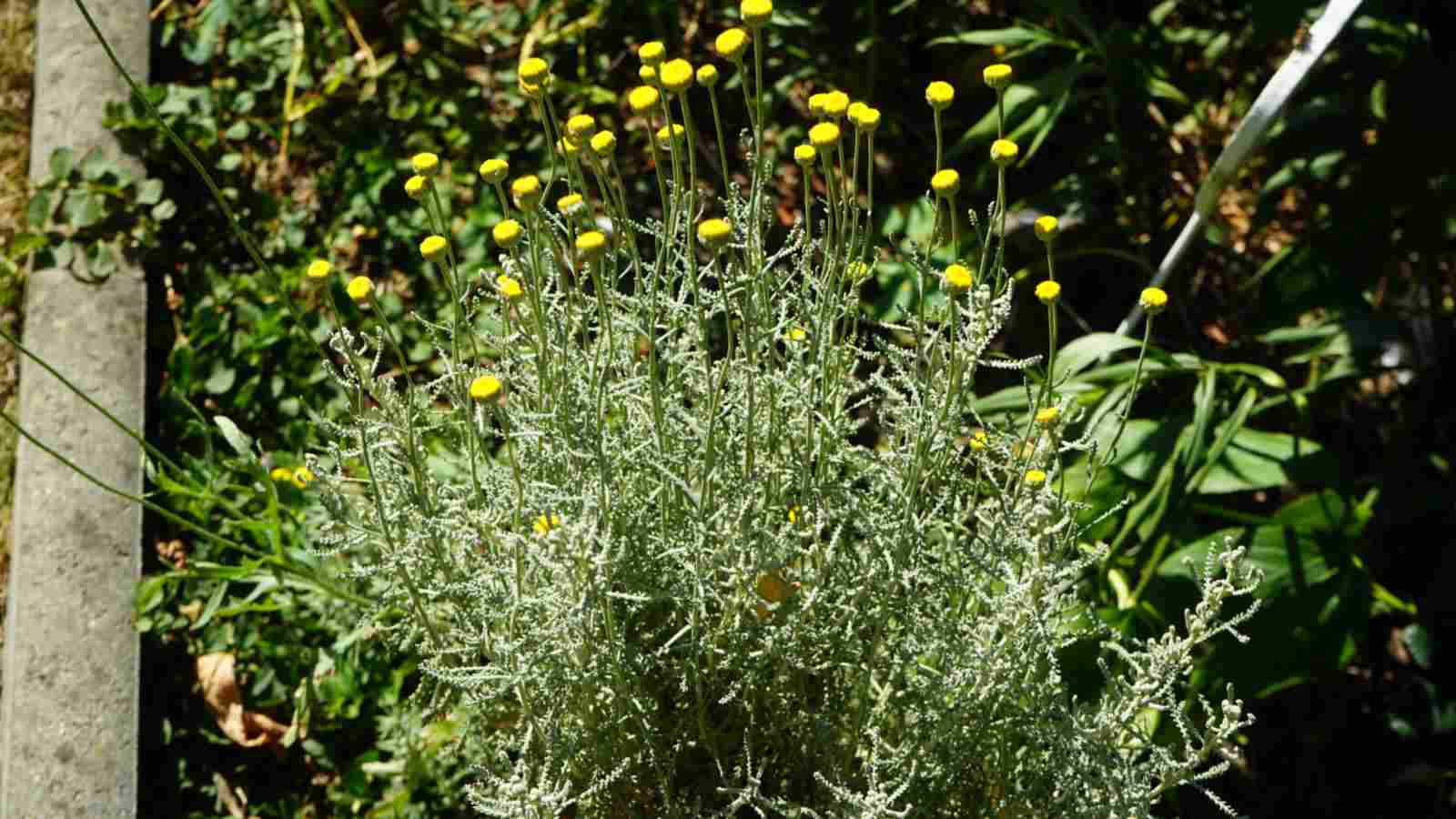
- Botanical Name: Santolina chamaecyparissus
- HardinessZones: 6-9
- Plant Type: Perennial
- Sun Exposure: Full Sun
Lavender cotton, or Santolina chamaecyparissus, is a perennial known for its aromatic, silvery-gray foliage and small, button-like yellow flowers. It is often grown for its ornamental value and is used in rock gardens or as a low hedge.
-
Heliotrope

- Botanical Name: Heliotropium arborescens
- Hardiness Zones: 10-11 (typically grown as an annual)
- Plant Type: Annual (often grown as an annual)
- Sun Exposure: Full Sun to Partial Shade
Heliotrope is an annual known for its clusters of small, fragrant, purple or lavender flowers. It is often grown for its sweet scent and is suitable for containers or garden beds.
-
Purple Sage
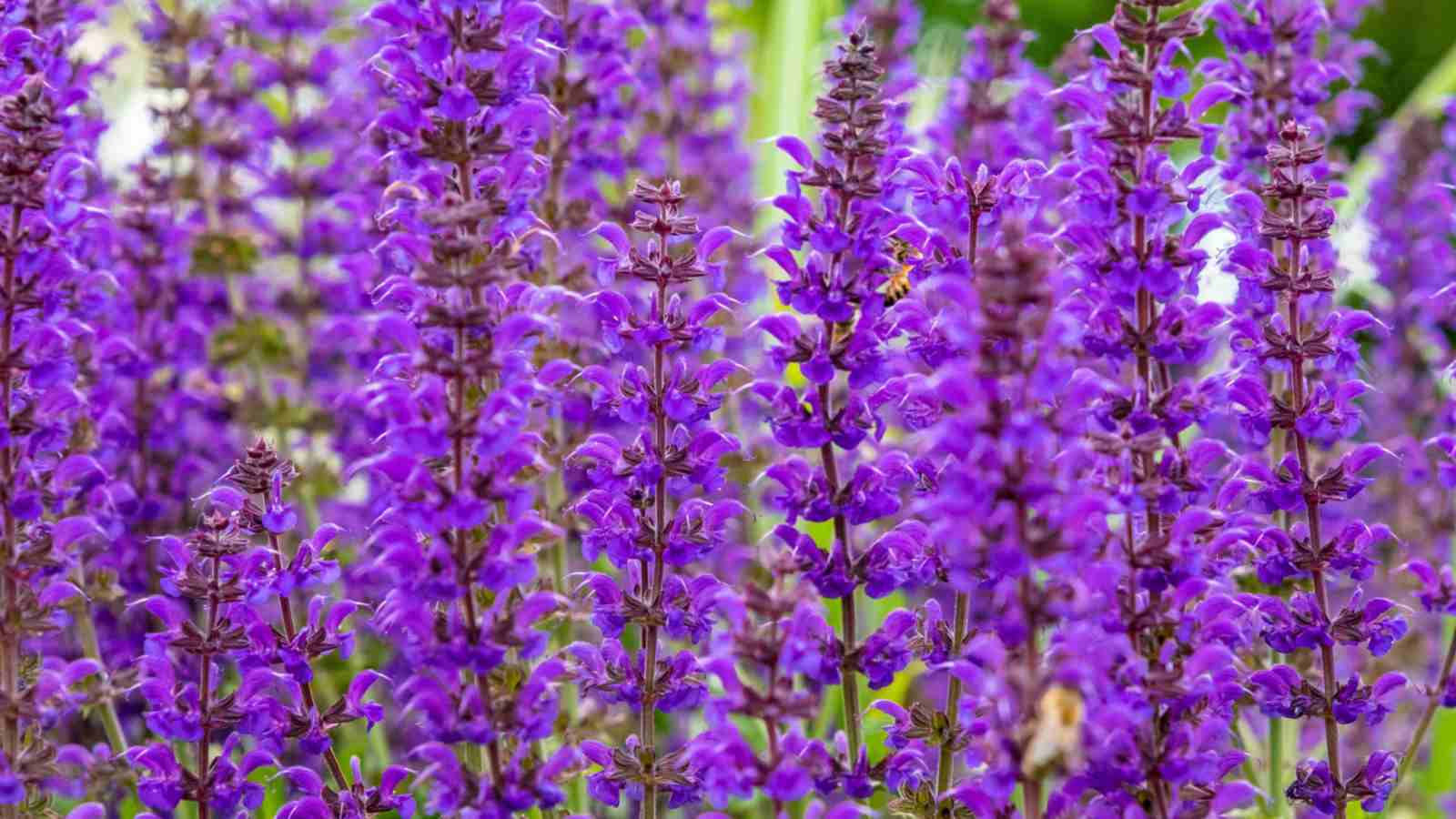
- Botanical Name: Salvia officinalis ‘Purpurascens’
- Hardiness Zones: 5-9
- Plant Type: Perennial
- Sun Exposure: Full Sun
Purple sage, or Salvia officinalis ‘Purpurascens,’ is a perennial herb known for its aromatic, purple-tinged foliage. While the flowers are typically blue, the purple leaves make it an attractive ornamental herb for herb gardens or culinary use.
-
Russian Sage
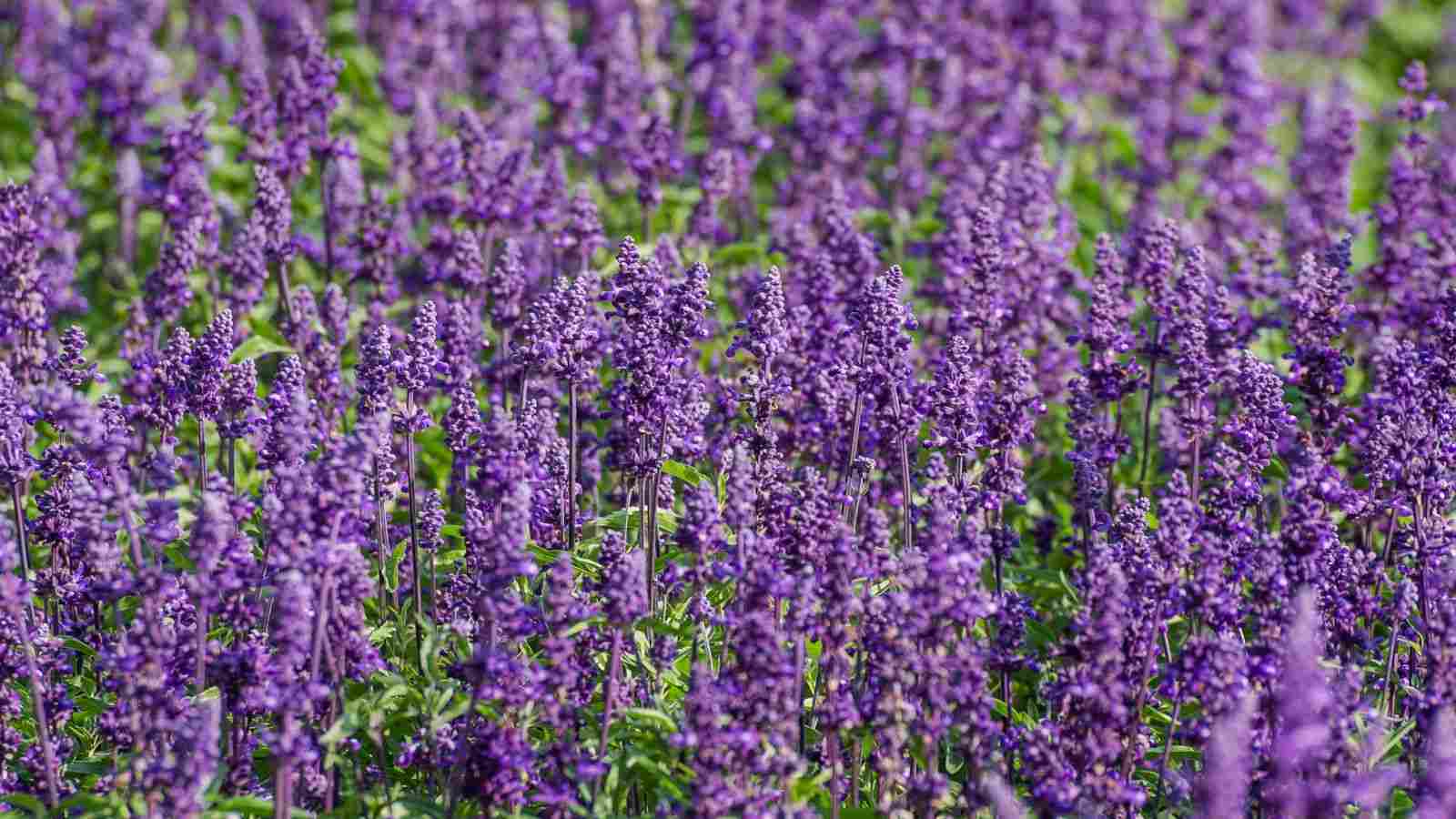
- Botanical Name: Perovskia atriplicifolia
- Hardiness Zones: 4-9
- Plant Type: Perennial
- Sun Exposure: Full Sun
Russian sage, or Perovskia atriplicifolia, is a perennial known for its feathery, silver-gray foliage and spikes of small, lavender-blue flowers. It is often grown for its airy appearance and is a valuable addition to cottage gardens or xeriscape landscapes.
-
Blue-Eyed Grass

- Botanical Name: Sisyrinchium angustifolium
- Hardiness Zones: 3-9
- Plant Type: Perennial
- Sun Exposure: Full Sun to Partial Shade
Blue-eyed grass, or Sisyrinchium angustifolium, is a perennial wildflower known for its grass-like foliage and clusters of small, star-shaped flowers with blue-purple petals and a yellow center. It is often used in native plant gardens and naturalized areas.
-
Viola

- Botanical Name: Viola (various species)
- Hardiness Zones: Varies by species
- Plant Type: Perennial or Annual (varies by species)
- Sun Exposure: Full Sun to Partial Shade
Violas, also known as violets, are a diverse group of plants known for their delicate, five-petaled flowers in shades of purple, blue, and white. They are often grown as perennials or annuals and are used in borders, containers, or woodland gardens.
Other Guides from Planet Natural:
40 Pretty Flowers for Your Home & Garden (With Names & Pictures)


