

Chlorophytum comosum, commonly known as the spider plant or airplane plant, is a popular choice among beginners and seasoned gardeners alike for its easy care and air-purifying qualities.
Originating from South Africa, this resilient houseplant is characterized by its long, arching leaves that gracefully spill over the edges of a pot.
The spider plant is a versatile addition to any indoor space, thriving in a wide range of conditions. It can tolerate indirect sunlight, making it a perfect choice for those hard-to-fill corners in your home.
One of the most appealing features of the spider plant is its propensity for propagation. As the plant matures, it produces plantlets, or baby spider plants, on long stems that can be easily rooted in water or soil to create new plants.
The spider plant is not only a beautiful addition to your home but also a beneficial one. Its lush foliage not only adds a touch of green to your space but also helps in purifying the air by removing toxins.
As a master gardener, I have years of experience caring for spider plants and in this article, I will share everything you need to know about spider plant care.

Botanical Name: Chlorophytum comosum
Common Name: Spider plant, spider ivy, ribbon plant
Family: Asparagaceae
Plant Type: Herbaceous, perennial
Hardiness Zones: 9 – 11 (USDA)
Sun Exposure: Partial, shade
Soil Type: Loamy, well-drained
Soil pH: Neutral
Bloom Time: Flowers regularly
Flower Color: White
Native Area: Central and Southern Africa
Spider Plant Care
Spider plants, scientifically known as Chlorophytum comosum, are perfect houseplants for beginners due to their low maintenance. They thrive in indirect sunlight but can also tolerate some direct sunlight.
Overwatering can lead to root rot, so it’s crucial to let the soil dry out between watering. Use rainwater or distilled water to avoid fluoride, which can cause brown leaf tips.

These plants are prone to pests such as aphids, whiteflies, and spider mites, so regularly inspect the leaves for any signs of insects. Good drainage is essential, so ensure your pot has drainage holes to prevent waterlogging.
Light
Spider plant is an ideal choice for beginners in indoor plants. These houseplants prefer indirect sunlight, as direct sunlight can scorch their leaves.
An important indicator of too much light is brown leaf tips. Spider plants can, however, tolerate low light conditions, but this may slow down the production of plantlets, which are the small offshoots that the plant produces.
Placing your spider plant in a location with indirect lighting will help maintain the health and vibrancy of its foliage.

Soil
Spider plants thrive in well-draining soil, which is crucial to prevent root rot, a common issue for indoor plants. A pot with drainage holes is highly recommended to ensure excess moisture can escape.
A good potting mix for spider plants should be light and airy, such as a blend of peat moss, perlite, and a bit of coarse sand. This type of soil not only allows for proper drainage but also helps to maintain the right level of moisture for the plant’s roots.
If you’re using tap water or water high in fluoride, the soil may accumulate salt over time, which can manifest as brown leaf tips. Using rainwater or distilled water can help alleviate this issue.
Water
Overwatering is a common mistake made by beginners when caring for indoor plants. It can lead to root rot, a condition where the roots become waterlogged and begin to decay.
To avoid this, it’s crucial to ensure that the soil in the pot has good drainage. This means using a pot with drainage holes and a soil mix that allows excess water to escape.
A good way to test if the plant needs watering is to feel the top layer of the soil – if it’s dry, then it’s time to water. Additionally, the leaves of the plant may start to droop when it’s thirsty.

It’s also worth noting that rainwater or distilled water is preferable to tap water, as the latter can contain fluoride which can be harmful to the plant.
Temperature and Humidity
Spider plants are quite flexible when it comes to temperature. They prefer average indoor temperatures that range between 65 and 75 degrees Fahrenheit, which is ideal for most houseplants.
However, they can tolerate slightly cooler conditions, but anything below 50 degrees Fahrenheit can harm the leaves and stems.
As for humidity, spider plants are not overly demanding. They can adapt to normal household humidity levels, but they do appreciate a bit of extra moisture.
In drier climates or during the winter when indoor air tends to be dry, consider using a humidifier or placing the spider plant’s pot on a pebble tray filled with water to boost the moisture around the plant.
Fertilizer
Chlorophytum comosum, commonly known as the spider plant, has modest fertilizer needs. For beginners, a balanced houseplant fertilizer can be used during the growing season, from spring to summer, once a month.

It’s crucial not to over-fertilize, as this can lead to the browning of leaf tips. The best practice is to always water the plant a little before applying the fertilizer to avoid root burn.
During the winter months, it’s best to reduce the frequency of fertilization, as the plant’s growth slows down and it requires fewer nutrients.
Pruning
Pruning is an essential aspect of Chlorophytum comosum care. Regularly trim the brown leaf tips to maintain the plant’s aesthetic appeal and overall health.
When propagating, ensure that the plantlets have developed a strong root system before pruning them from the parent plant.
Inspect the foliage during pruning for any signs of pests such as mealybugs or spider mites, which can be removed by hand or with a gentle wash using rainwater.
Pruning also helps to control the size of the plant, making it an ideal task for beginners looking to manage their indoor garden.
Always use clean, sharp tools to prevent the spread of diseases and aim for clean cuts just above the stem to promote healthy regrowth.
Overwintering

During the winter, spider plants, scientifically known as Chlorophytum comosum, require special attention. Keep them in a warm area with indirect sunlight as they are sensitive to direct sunlight and cold temperatures.
Ensure the pot has proper drainage holes to prevent overwatering and root rot. The soil should be kept slightly dry to avoid brown leaf tips, but not bone dry.
When watering, it’s best to use rainwater or distilled water as spider plants are sensitive to the fluoride often found in tap water. Keep an eye out for pests such as spider mites and mealybugs which thrive in the warm, dry conditions typical of winter indoor environments.
Types of Spider Plant Care
- Chlorophytum comosum ‘Variegatum’: With its striking green and white striped leaves, the ‘Variegatum’ adds a touch of elegance to any space.

- Chlorophytum comosum ‘Vittatum’: Its long, slender leaves have a rich green color and a distinctive white stripe running down the center.
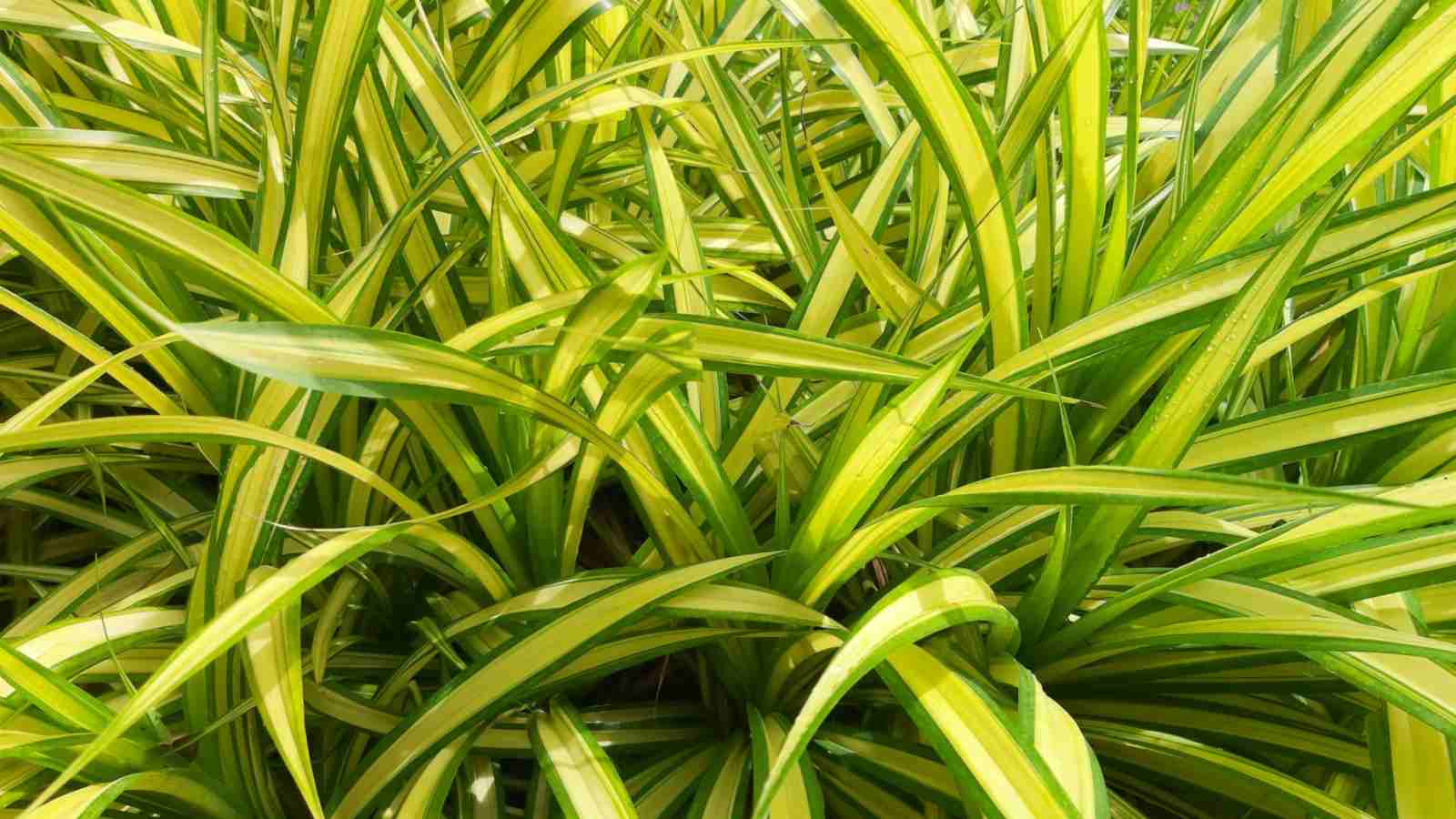
- Chlorophytum comosum ‘Bonnie’: The ‘Bonnie’ is a compact and curly variety of spider plant, boasting curly leaves that give it a unique, almost frilly appearance.

How to Plant Spider Plant Care From Seed
Step 1: Choose the Right Pot
When it comes to planting your Chlorophytum comosum, commonly known as the spider plant or ribbon plant, selecting the right pot is crucial. Opt for a pot with good drainage holes to prevent waterlogging, which can lead to root rot.
Step 2: Prepare the Soil
Spider plants prefer a soil mix that is well-draining and rich in organic matter. You can create a suitable mix by combining regular potting soil with a bit of perlite or coarse sand to improve drainage.
Step 3: Plant the Seeds
Plant the seeds in the prepared soil, ensuring they are covered with a thin layer of the mix. Place the pot in an area with indirect sunlight, as too much direct sunlight can scorch the delicate leaves of the young plantlets.

How to Propagate Spider Plant Care
Step 1: Selecting the Right Plant
When propagating your spider plant, it’s essential to choose a healthy mother plant with vibrant green foliage and no signs of pests or diseases like mealybugs, aphids, whiteflies, or spider mites.
Step 2: Preparing the Pot
Choose a pot with good drainage holes to avoid overwatering and root rot. Fill it with a well-draining potting mix to provide the right balance of moisture for your spider plant.
Step 3: Propagation by Plantlets
Spider plants produce plantlets, or small offshoots, at the ends of their stems. These can be carefully removed and planted in the prepared pot using rainwater or distilled water to avoid the harmful effects of fluoride found in tap water.
How to Pot or Repot Spider Plant Care

Step 1: Choose the Right Pot and Soil
The first step in potting or repotting a Spider Plant, also known as Chlorophytum comosum or Airplane Plant, is to select a pot that provides good drainage.
This is crucial, as Spider Plants are prone to root rot if they sit in waterlogged soil. The pot should also be large enough to accommodate the plant’s root system, with a little room to grow.
When it comes to soil, Spider Plants prefer a well-draining mix. A combination of regular potting soil and perlite is a good choice.
Step 2: Prepare the Plant for Potting
Before potting your Spider Plant, check for any signs of overwatering, such as brown leaf tips or a droopy appearance.
If the soil is still moist, allow it to dry out a bit before proceeding. If the plant is root-bound (with the roots circling the pot), gently tease them apart to encourage new growth.
Step 3: Pot the Spider Plant
Place the Spider Plant in the center of the pot and fill in around the roots with your soil mixture. Gently press the soil down to eliminate any air pockets.
Water the plant thoroughly with either rainwater or distilled water. Avoid using tap water, which can contain fluoride that may cause brown leaf tips on Spider Plant foliage.
Common Pests and Plant Diseases for Spider Plant Care
Mealybugs

Mealybugs are a common pest that can affect your spider plant, also known as Chlorophytum comosum, especially when kept as houseplants. These small, white insects feed on the plant’s sap, causing the leaves to yellow and the plant to become weak.
Overwatering can exacerbating the issue, as mealybugs thrive in moist conditions. To get rid of mealybugs, wipe the leaves with a damp cloth and consider using an insecticidal soap.
Aphids

Aphids are another common pest that can infest your spider plant. These small, soft-bodied insects feed on the plant’s sap, which can cause the leaves to curl and distort.
Aphids also produce a sticky substance called honeydew, which can lead to the growth of sooty mold. To get rid of aphids, you can spray your plant with a mixture of water and mild soap.
Spider Mites

Spider mites are tiny pests that are difficult to see with the naked eye. They suck the sap from the plant, causing the leaves to take on a mottled or stippled appearance.
Severe infestations can lead to the yellowing and dropping of leaves. Spider mites thrive in dry conditions, so increasing the moisture around your plant can help control these pests.
Root Rot
Root rot is a common disease that can affect spider plants, especially if they are overwatered or the pot does not have good drainage. The roots become mushy and brown, and the plant may wilt and eventually die.
To prevent root rot, make sure your plant is potted in a well-draining soil mix and that the pot has drainage holes. Allow the soil to dry out slightly between waterings, and use rainwater or distilled water if your tap water contains high levels of fluoride, which can contribute to root rot.
Common Plant Problems and Solutions for Spider Plant Care
Brown Leaf Tips

One of the most common issues with Chlorophytum comosum, also known as spider plants or airplane plants, is the appearance of brown leaf tips.
This is often a sign of overwatering or exposure to direct sunlight. To rectify this, ensure your pot has good drainage holes to prevent waterlogging and place your plant in indirect lighting.
You can also switch to distilled or rainwater for watering, as tap water can contain fluoride, which can cause brown tips.
Yellowing Leaves
Yellowing leaves on your spider plant are usually a sign of too much moisture in the soil. These plants prefer dry soil between waterings.
Ensure your pot has good drainage and adjust your watering schedule accordingly.
If your plant is in a pot without drainage holes, consider repotting it into a more suitable container.
Propagation Issues
Spider plants are known for their easy propagation through plantlets that grow on the stem. If your plant is not producing these plantlets, it may be due to a lack of indirect sunlight or good drainage in the pot.
Ensure your plant is in a location with indirect light and repot it if the current pot does not have adequate drainage.
Other Guides from Planet Natural:


