

Arborvitaes, hailing from the Latin term ‘tree of life,’ are handsomely versatile shrubs commonly used in North American landscapes for their rich green foliage and low maintenance requirements.
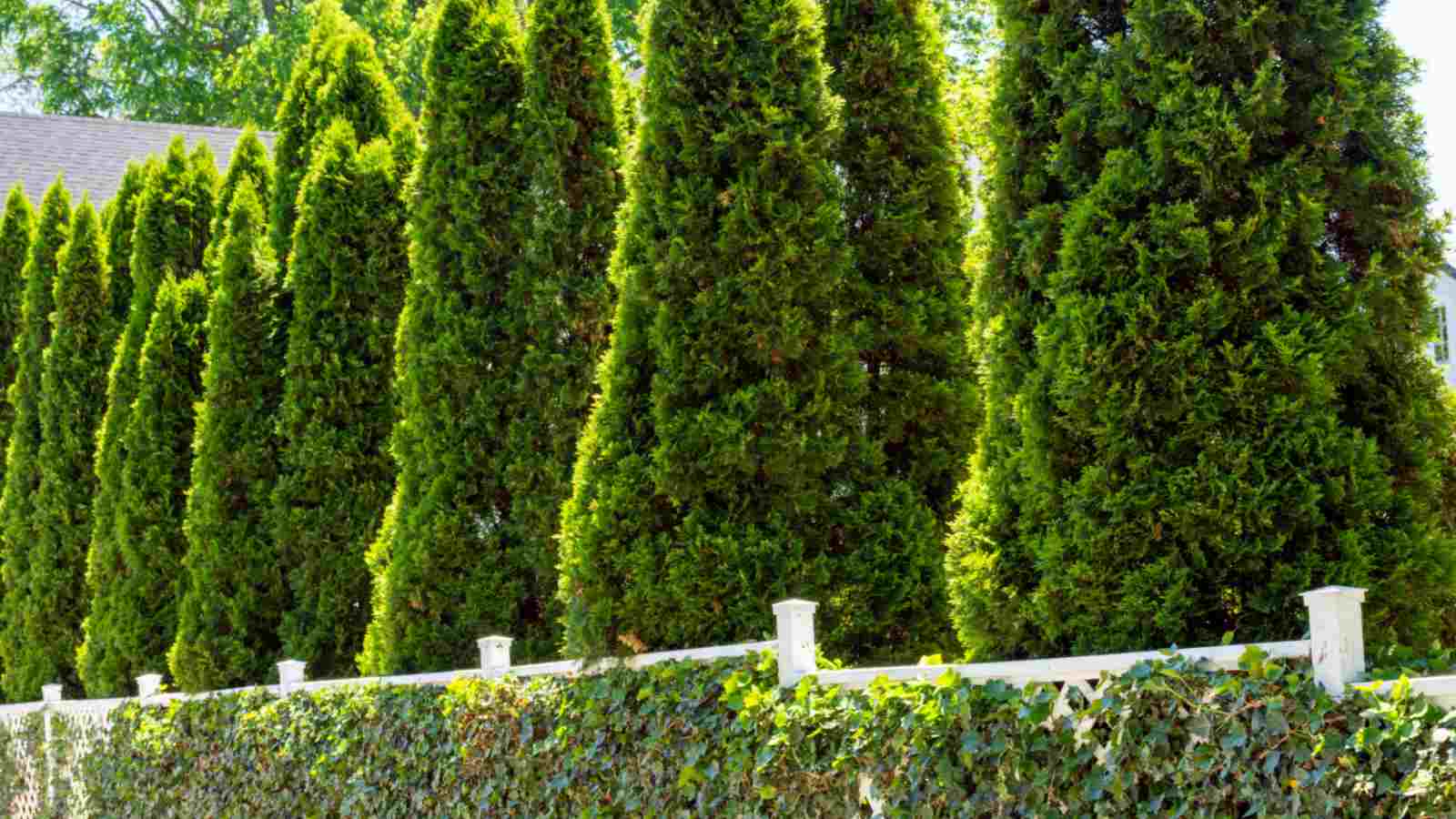
Known for their upright structure, these varieties serve as excellent privacy screens, adding much-needed height and privacy to backyard spaces.
The arborvitae is an integral part of the cypress family and can be recognized for its unique and beautiful leaves that offer dense coverage throughout the year.
Each cultivar sports different widths and exudes a characteristically sweet scent when its leaves are crushed. Furthermore, the tree provides shelter and food for wildlife, adding to its ecological value.
Notably, arborvitae trees are adaptable to a wide range of soil types and weather conditions. They are partial to full sun, but they also thrive in partial shade.
An arborvitae’s beauty extends beyond its green leaves to its brown stems and a trunk which gives it strength and structure. Best fitted for use as privacy trees and screens, these beautiful shrubs add depth to the backdrop of any landscape.
As a master gardener, I’ve observed through experience that their deer resistance makes them a preferable choice for those looking to protect their green space. Whether as a hedge, fence accent, or majestic standalone tree, the arborvitae becomes a key player in the design of a garden.
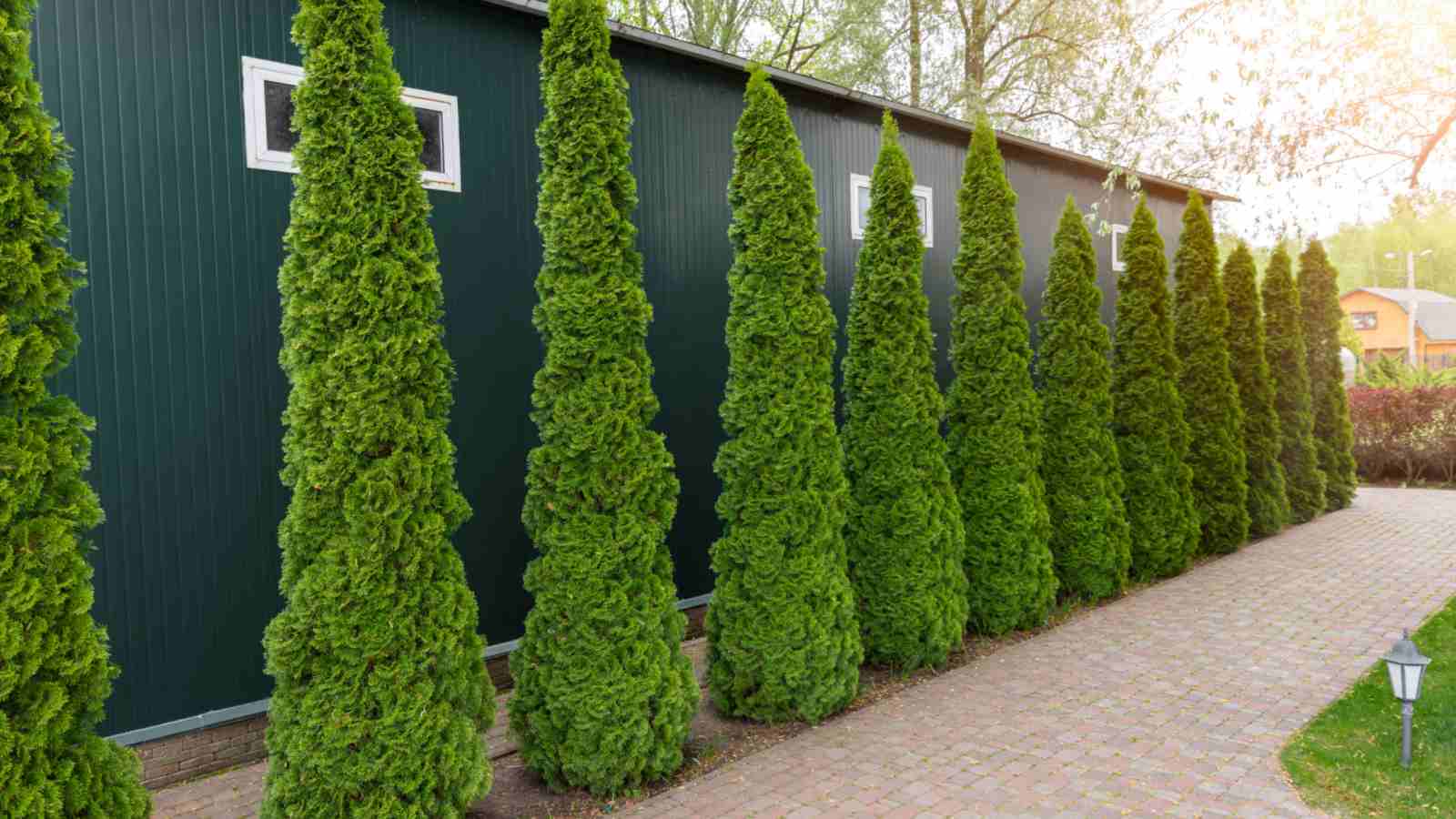
Botanical Name: Thuja occidentalis (The American Arborvitae) or Thuja plicata (The Western Red cedar)
Common Name: Arborvitae
Family: Cypress family
Plant Type: Evergreen trees or shrubs
Hardiness Zones: 2 – 7 (USDA)
Sun Exposure: Full sun to partial shade
Soil Type: Prefers moist, well-drained soils but is adaptable to many soil types
Soil pH: Acidic to slightly alkaline
Bloom Time: Early spring
Flower Color: Non-showy yellow-green flowers
Native Area: North America
Arborvitae Care
Arborvitae trees, from the cypress family and known as ‘tree of life’ in Latin, are low maintenance, evergreen trees beloved in landscapes across North America for their rich, emerald green foliage and deer resistance.
They are hardy and tolerant of a wide range of soil types, though they prefer full sun to partial shade. Prune in early spring to maintain desirable widths and shape, and add mulch to top of the root ball to prevent root rot and keep the soil cool in full sunlight.
Fully mature arborvitaes make excellent privacy screens, providing a lush, green backdrop that adds aesthetic value all year round.
Light
Arborvitae trees thrive in full sun. The green foliage of these upright evergreen trees comes to life under intense sunlight. However, they can also tolerate partial shade, allowing them to adapt to different landscape conditions.
A spot that receives at least six hours of sunlight will contribute to the trees’ healthy growth. But remember, lower light levels can cause the expanses of these naturally occurring privacy screens to thin, affecting both their widths and overall aesthetic appeal.

Soil
Arborvitae trees are quite adaptable to a variety of soil types, making them ideal for different landscapes. These trees all prefer well-draining soil to prevent root rot.
The best soil for these trees is loamy, well-drained, and slightly acidic. Using a good quality mulch around the base of the tree can help to retain moisture, reduce weed competition, and insulate the roots during extreme weather conditions. The top of the root ball should be level with the ground to ensure the trunk isn’t overly exposed or prone to moisture stress.
Arborvitaes are generally low maintenance trees that can thrive even in challenging soil conditions.

Water
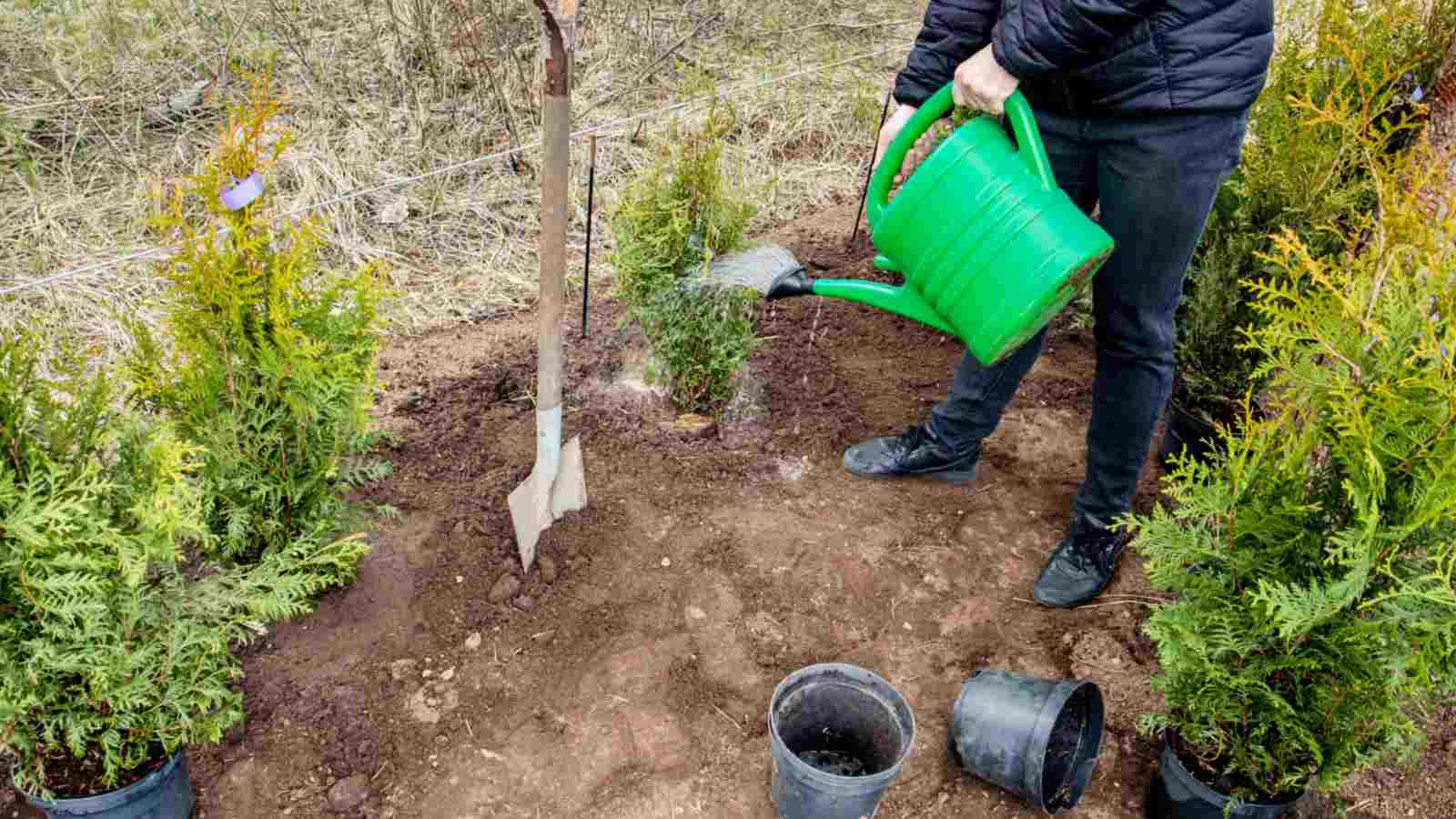
Arborvitae trees thrive best when receiving adequate moisture. These shrubs, belonging to the cypress family, should be watered deeply until the top of the root ball is saturated.
Despite their hearty deer resistance, they can be susceptible to root rot if the soil is perpetually wet. While these evergreen trees can tolerate a range of soil types, ensuring proper drainage is paramount to their health.
During hotter periods and when in full sun, be sure to water more often as the soil dries out faster ─ but do remember that even in the partial shade, these trees still require consistent watering.
Temperature and Humidity
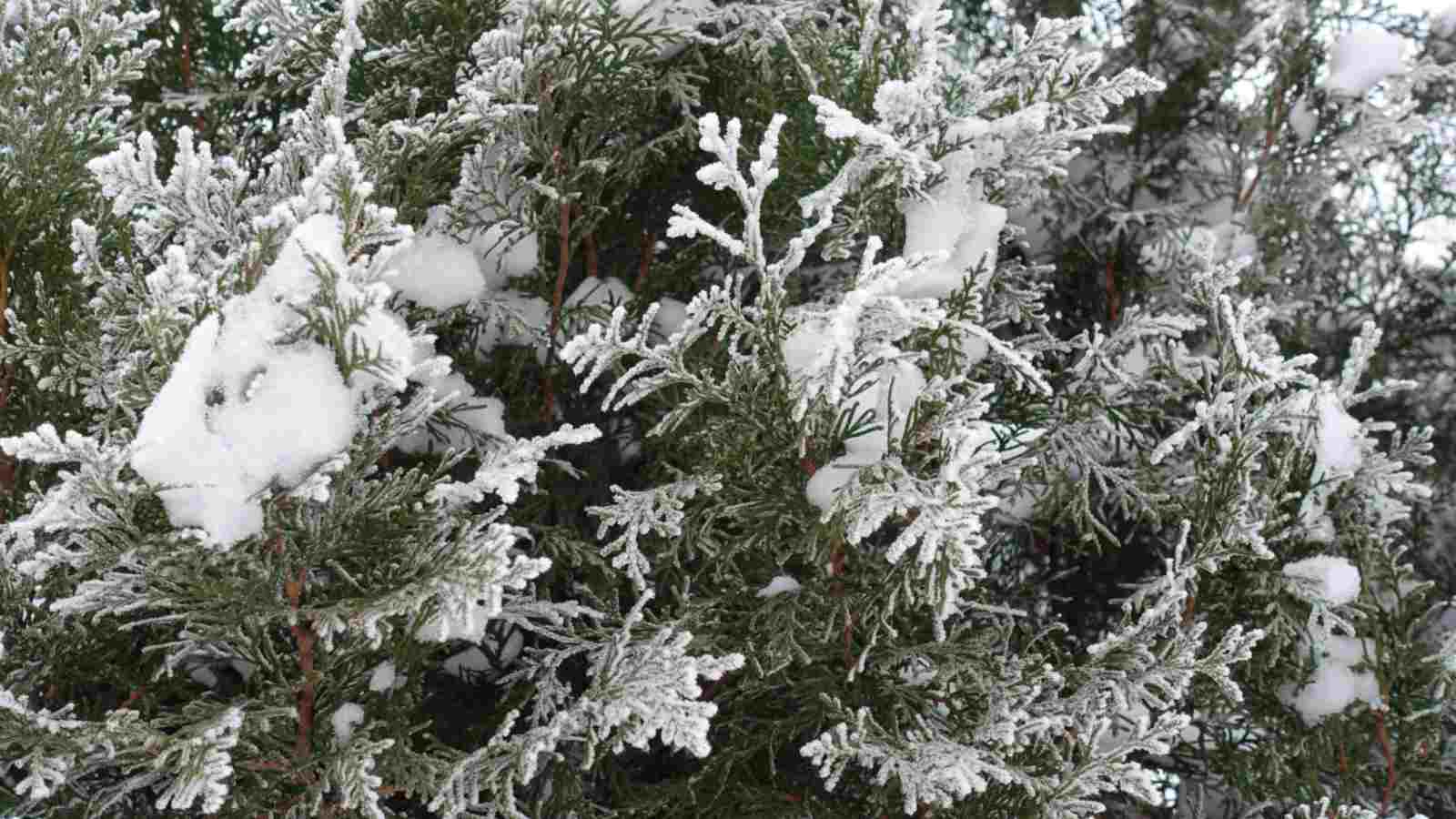
Arborvitaes thrive in a variety of climatic conditions, which is part of their popularity as privacy trees across North America. These stout evergreen trees can withstand temperatures down to -50°F, a testament to their hardiness.
In the heat of full sun, these shrubs stay attractive, provided they receive enough water and aren’t distressed by pests such as spider mites or bagworms.
As a member of the cypress family, arborvitaes have a preference for higher humidity levels, especially notable cultivars like the Eastern Arborvitae or American Arborvitae.
Humidity, in tandem with well-draining soil types, helps prevent root rot – a common threat to these evergreens. The naturally hardy nature of the arborvitae makes it a beloved staple in many landscapes across diverse regions.
Fertilizer
Arborvitaes have moderate nutrient requirements. Like most evergreens, they benefit from slow-release fertilizers that can provide their sustenance over a period of time.
It’s best to provide this feeding in early spring, catering to their increased growth needs after the dormant winter season. Though adaptable to many soil types, arborvitaes appreciate additional compost or mulch around the top of the root ball to keep it healthy and insulated.
However, caution must be taken to avoid overfertilization, which could lead to issues like root rot or twig blight. Monitor the green foliage for nutrient deficiency signs, with yellowing leaves often indicating a need for additional fertilization.
Pruning
Pruning is essential to keep arborvitaes in good shape. The best time to prune these evergreen trees is in early spring, before their new growth begins.
A simple prune involves cutting back the stems to maintain the desired height and width of these shrubs. Be sure to create a natural-looking hedge by pruning the top narrower than the base.
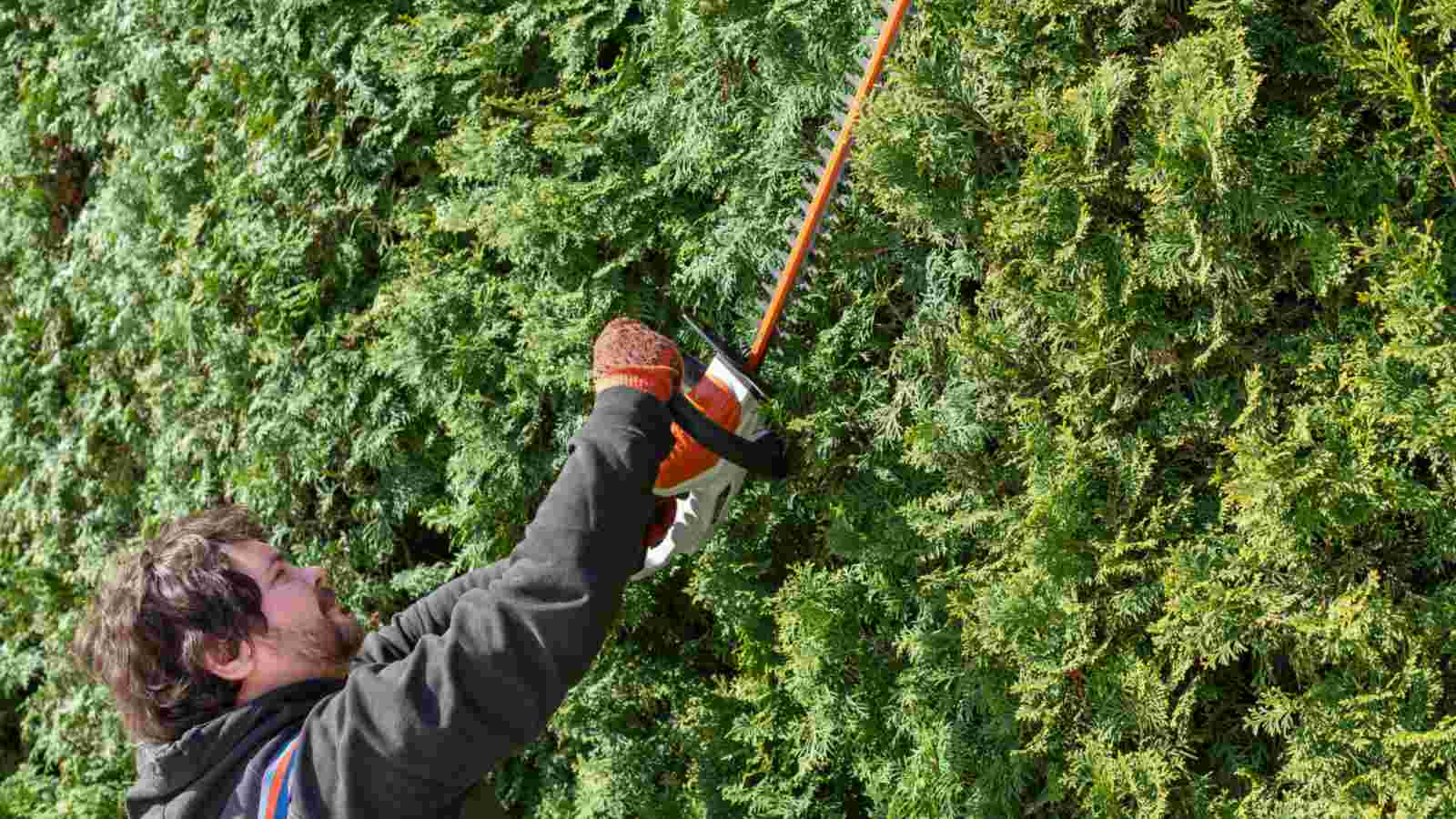
Over-pruning can invite pests like bagworms and spider mites, so always remember that moderate pruning is healthiest for your arborvitaes.
Types of Arborvitae
- American Arborvitae (Thuja occidentalis, also known as Eastern Arborvitae or White Cedar) is a versatile evergreen tree of the Cypress Family native to North America. Renowned for its dense, green foliage which stays vibrant throughout the year, it is favored as a fence or privacy screen in many landscapes. Its cone-shaped, upright growth, and low maintenance requirement make it a perfect choice for homeowners.

- Giant Arborvitae (Thuja Plicata, or Western Red Cedar) is an impressive evergreen widely used in landscaping. This cultivar is admired for its robustness and therefore often referred to as “Green Giant Arborvitae”.
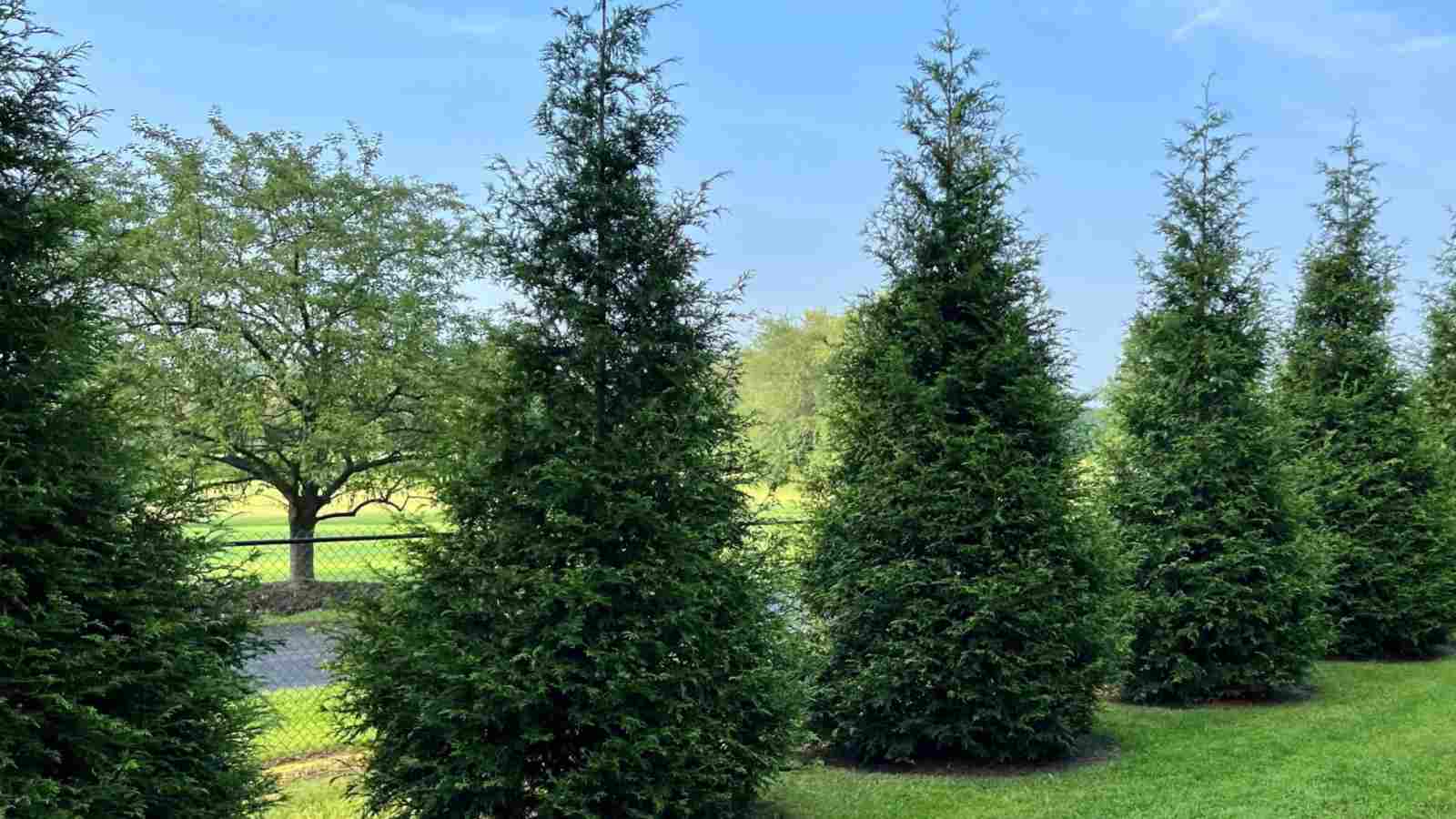
- Emerald Green Arborvitae (or Thuja occidentalis ‘Smaragd’) is a type of American arborvitae, known for its emerald green, compact, and dense foliage. This cultivar provides a beautiful backdrop for garden accents and is perfect for privacy screens as it is relatively narrow, allowing it to fit into compact spaces.
How to Plant Arborvitae From Seed
Choosing the Right Variety of Arborvitae
Arborvitae trees, those evergreen shrubs from the cypress family, have several varieties, each with unique cultural requirements. Choosing an appropriate variety can make a significant difference in landscape accenting, hedge formation, or privacy screens.
Arborvitaes such as the American arborvitae or the Eastern arborvitae, also known as white cedar, have been significant members of landscapes across North America for centuries.
For landscapes in need of low maintenance and deer resistance, consider the Thuja occidentalis ‘Smaragd’, or emerald green arborvitae, an upright cultivar known for its bright green foliage.
And if larger evergreen trees are desired, green giant arborvitae or thuja plicata, a western red cedar native to North America, make striking backdrops in any landscape with their impressive widths and heights.

Preparing the Planting Site
Successful planting begins with preparing the planting site. Arborvitaes thrive in full sun to partial shade. They are very adaptable to different soil types; though they prefer well-draining soil, they are tolerant of clay and sandy soils.
Covering the soil with mulch after planting can retain moisture, preventing root rot and protecting the top of the root ball.
Planting the Arborvitae Seeds
Plant your arborvitae seeds in early spring when the threat of frost has passed. Place each seed in a hole twice the width of the seed, and cover it lightly with soil.
Water immediately after planting, and ensure the soil remains moist, but not soggy.

How to Propagate Arborvitae
Step 1: Cut and Prepare the Arborvitae Stem
Prune a healthy branch from any of these evergreen trees, ensuring a cut that is 6 to 8 inches long from a non-flowering, upright part of the tree. The stem should have at least two sets of leaves, as these will become the new plant’s roots.
Remove the leaves from the bottom half of the stem, wrap the cut in damp burlap to retain moisture, and place the stem in a cool, shaded area until planting.
Step 2: Plant the Stem
Pot the stem in well-draining soil, ensuring that the top of the root ball is level with the soil—this prevents root rot and encourages healthy growth.
Place the arborvitaes in areas of your landscape with either full sun or partial shade, making sure the new plant receives adequate sunlight.
Following planting, apply a layer of mulch around the base of the trunk to help retain moisture and control the growth of pests, like spider mites and bagworms, which can damage these beloved shrubs.
Step 3: Care for the Newly Planted Arborvitae
In early spring, inspect the arborvitae for any signs of pests, twig blight, and other diseases. If you do notice signs of stress, prune the affected areas to halt their progress.
Arborvitae trees are highly resistant to disease, but they are a favorite food of pests, including insects and deer.

Step 5: Growth and Maintenance
Expect new growth from the stem after a few weeks. Remember not just to water the arborvitaes, but also to check the soil’s moisture levels regularly to ensure it’s neither too dry nor too wet.
Consider installing a fence for protection from deer, especially if you’re growing the trees as hedge plants or privacy trees. With proper positioning, regular pruning, and vigilant pest control, these evergreens can become a vibrant, lush backdrop to any North American landscape.
Common Pests and Plant Diseases for Arborvitae
Arborvitaes are revered for their dense, richly green foliage, and deer resistance. However, even these hardy trees face pests and diseases which can turn their vibrant leaves brown and impact their health and lifespan.
Bagworms

Bagworms are a common insect pest and pose a significant threat to arborvitaes. These pests start their cycle as caterpillars nesting in the green foliage, later developing into mature insects that continue to feed on the leaves, stems, and twigs.
This can cause defoliation and eventual death of the Arborvitaes if not treated early.
Spider Mites

Spider mites are small pests barely visible to the naked eye. They are notorious for sucking sap from the plant, causing the leaves to dull and eventually drop off.
Early spring is the ideal time to check your arborvitaes for these pests, as they can drastically affect the vibrant green color of the arborvitae.
Twig Blight
Twig blight is a fungal infection that can cause tips of the arborvitae to brown and eventually die back. The trunk and stems can also become infected if left untreated.
Regular pruning can help prevent its spread while maintaining the overall health and shape of the arborvitae.</p>
Root Rot
Root rot, typically caused by excessive water or poor drainage, is a serious disease for arborvitaes. The top of the root ball may become soggy and brown, affecting the uptake of nutrients and water, causing the leaves to yellow and wilt.
A good layer of mulch around the base of the tree and avoiding waterlogging can keep root rot at bay.
Common Plant Problems and Solutions for Arborvitae
1. Brown Tips
As members of the cypress family, Arborvitae trees, including the popular Thuja occidentalis ‘Smaragd’ and green giant arborvitae cultivars, may develop brown tips on their leaves.
These clusters of brown tips, initially appearing on random twigs, can ultimately lead to twig blight. This phenomenon often occurs due to insufficient sunlight, extreme cold, or pest infestations.
To remedy this, ensure your arborvitaes are planted in full sun or partial shade and regularly checked for pests.
2. Yellowing Leaves

Arborvitaes are cherished for their green foliage. However, yellowing leaves are a common issue. This often signifies root rot, usually caused by overwatering or poorly-draining soil.
It’s ideal to plant arborvitaes in well-draining soil types and avoid excessive watering.
3. Deer Damage
Arborvitaes play a valuable role as privacy screens, fences, and landscape backdrops in North America.
But while these evergreen trees offer deer resistance, they can still suffer from browsing deer, especially during tough winters. Enclosing arborvitaes with burlap or erecting a physical barrier can minimize deer damage.
4. Improper Planting
All arborvitae shrubs, whether it’s the White Cedar or Western Red Cedar, need adequate space to grow. Improper planting with inadequate widths between each can stunt growth.
The top of the root ball should be slightly above the ground, and the area should be mulched to retain soil moisture. These trees prefer full sun but can tolerate partial shade.
They are generally low maintenance, but early spring is the best time to prune and shape them.
Other Guides from Planet Natural:


