As a gardener, I know how difficult it can be to grow plants when you’re inexperienced.
Fortunately, the tradescantia nanouk is a beginner-friendly and beautiful option that I highly recommend for newbie plant enthusiasts.
This trendy plant has bright purple streaks and soft leaves sprouting horizontally, making it a popular indoor garden choice during its growing season.
However, those unfamiliar with this plant’s growing conditions may experience common issues like root rot or browning leaves. Fortunately, simple yet beneficial instructions can avoid common problems many new plants face.
In this guide, I will teach you proper care tips and facts to guarantee your tradescantia nanouk thrives.
Tradescantia Nanouk: Quick Background
- Other Common Names – Nanouk tradescantia, fantasy venice, wandering jew, spiderwort, tradescantia bubblegum, tradescantia albiflora
- Size When Fully Grown – 3–6 inches high, 12–24 inches long
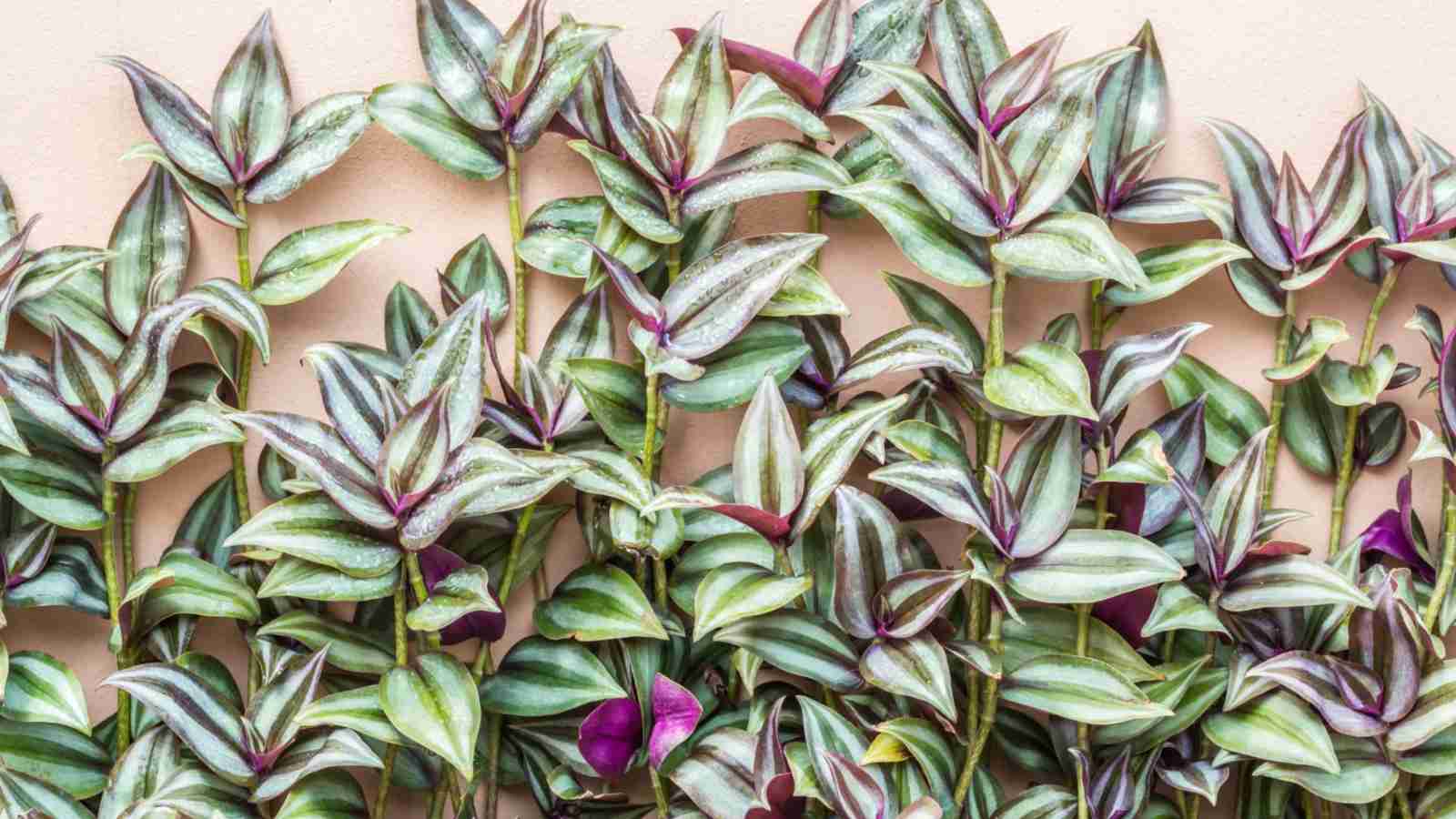
The tradescantia nanouk is an indoor trailing plant with green foliage mixed with bright purple, pink, and white horizontal stripes. Its leaf shape reaches 1 inch wide when fully grown, with the leaves growing 2.5 inches long.

During its active growing season from spring to fall, pink buds grow from the nanouk stems. It is native to Central and South America, but it is still a fast grower in humid areas.
A fun fact about the Tradescantia nanouk is that it is a patented plant created in the Netherlands in 2012.
It was designed to make a more colorful version of the tradescantia plant, so it quickly became popular, especially for spring and fall plant lovers. Their smaller size makes them a perfect plant to add to hanging baskets.
Its vibrant foliage makes these plants a pleasing addition to your plant collection. By placing it under bright indirect light, watering it regularly, and using a well-draining potting mix, anyone can care for the tradescantia nanouk and foster new growth.
Ideal Conditions for Tradescantia Nanouk Care
Like many indoor plants, tradescantia nanouk care is relatively easy, even for beginners.
Using the right soil and potting mix, fertilizing it regularly, and keeping it within its ideal temperature range helps the tradescantia nanouk fully grow its popular pink, purple, and white stripes.
Soil and Potting Mix
Well-draining soil can help any gardener create the ideal environment for tradescantia nanouk growth.
One way to ensure well-drained soil is to add coarse sand, as its gritty texture helps enhance drainage. Adding enough sand to the top inch of the pot will help the plant’s roots breathe.
Perlite and peat moss are another great addition to your soil and potting mix. Perlite is a common addition to most potting mixes for indoor plants, allowing for good drainage, insulation, and air. Peat moss improves the soil structure and manages excess water.

These are the recommended percentages when you create this potting mix:
- 50% peat moss
- 30% perlite
- 20% coarse sand
Like any new plant, ensuring that the plant has enough soil and regularly maintaining the mix helps boost optimal growth.
If you do not have peat moss or perlite, orchid bark is another recommended option.
Fertilizer
Fertilizing the tradescantia nanouk helps it make new growth faster.
Feed this plant with a standard houseplant fertilizer diluted to half strength. The recommended feeding times are during its growing season of spring to fall.
Using only half the recommended strength of fertilizer is essential for the tradescantia nanouk, as too much fertilizer increases the chances of root rot or burn.
Sunlight Conditions
The tradescantia nanouk grows best with enough light, but it is essential to balance this amount. If it’s growing indoors, I recommend placing it on a sunny windowsill or porch.
However, if placed in this area, check that the sun is not too strong and that no trees are lessening the direct light, as direct sunlight may cause the leaves to dry and lose color.
Indirect light is better for the tradescantia nanouk as it gives its roots and leaves enough light to grow without hurting it.
Preferred Climate and Temperature

The tradescantia nanouk grows best in areas with daytime temperatures of 65 to 80 degrees Fahrenheit (18 to 27 degrees Celsius). Ideal night temperatures range within the mid-50s Fahrenheit.
Tradescantia nanouk plants also prefer humidity levels ranging from 25 – 50%. If humidity is an issue within your home, placing a humidifier near the tradescantia nanouk or putting it on a pebble tray will help improve humidity.
Keeping it away from direct sunlight will also help keep it within ideal humidity levels.
Watering Schedule and Amount
Whether caring for new or older plants, always remember to avoid overwatering them.
The same rule applies to the tradescantia nanouk. Water at the soil level when the top inch feels dry. Use pots with enough drainage holes at the bottom and add a drip tray to avoid spilling.
Use tepid water and let the tradescantia nanouk sit for an hour after watering. Continuously observe and touch the soil lightly to check whether it is dry.
NOTE: Watering every time the top two inches of soil dry out is important, as the tradescantia nanouk can only survive one to two weeks without water.
Pruning
Pruning your tradescantia nanouk is important to ensure bushier growth and a well-maintained appearance. I recommend pruning if you want to propagate cuttings and give them to others as a wonderful gardening gift.
Check for any damaged or diseased foliage. Cut above the leaf joint or node, as new growth will come from that cut area. Pruning closer to the base of the tradescantia nanouk increases its chances of having a bushy appearance.
Keep the cuttings if you want to propagate the tradescantia nanouk. If not, you may place the cuttings within the same pot to increase growth.
Overwintering Tips
If you live in colder areas, you may be concerned about keeping your tradescantia nanouk alive during winter.
Overwintering is the process of preparing a plant for colder temperatures. Keeping your tradescantia nanouk plant under bright indirect light helps it maintain its usual environment.
So, for example, if it’s typically kept on the porch, relocate it by a window.
The tradescantia nanouk is dormant during the winter, so it won’t grow as much. However, it still needs watering.
I recommend bottom watering, where a plant is semi-submerged in water for better moisture.
Here are things to avoid while overwintering your tradescantia nanouk plant:
- Fertilizing, as the plant rests when off-season
- Overhead watering causes excess moisture on stems and leaves
- Misting the leaves to avoid stem rot
- Pruning
- Repotting
To survive the colder weather, ensure your tradescantia nanouk plant is under bright indirect light, water it when it’s dry, and keep it in well-draining soil.
Common Tradescantia Nanouk Issues

Like all plants, the tradescantia nanouk sometimes struggles with certain issues due to improper care.
However, you can avoid these issues through constant maintenance, observation, and genuine care for this beautifully vibrant plant. I’ll explain how here.
Root Rot
Root rot occurs when the roots circling under the plant lack oxygen, causing them to decay quickly. It’s common in plants that are overwatered or poorly drained.
It can also be caused by various types of soil fungi. Dense soil may retain too much or not let enough water into the roots.
You can prevent this from happening to your tradescantia nanouk or tradescantia albiflora by monitoring the soil’s moisture and keeping it in well-ventilated pots.
Let the plant breathe for an hour after you water it to prevent the soil from retaining too much moisture. Use a good balance in your potting mix to avoid having to monitor the soil constantly.
Fungus and Pests
Though the tradescantia nanouk or fantasy venice does not always have fungi and pest problems with spider mites or other bugs, they may still encounter these pests due to overwatering.
If the plant is watered too often, fungus gnats may appear on the soil, slowly eating the plant. Placing it under bright light increases germ growth.
If you notice fungi eating at the leaves of the tradescantia nanouk, you can add insecticidal soap into the water mix to get rid of them.
Leaves Turning Pale

If you notice that your tradescantia’s bright pink and white leaves are turning pale, the cause may be either of these reasons:
- Overwatering
- Too much direct sunlight
- Underwatering
- Low humidity
Though it may look alarming, you can reverse the effects through these methods:
- Keep the plant away from direct sunlight and place it in low-light areas, like next to or underneath a window.
- Don’t overwater the plant, but don’t forget to water it, either.
- Place a humidifier near the plant to keep it humid, or use a humidity tray.
Browning Leaves
When plants don’t get enough water, they quickly dry up and wilt away. The first tell-tale sign that this is occurring to your tradescantia nanouk is if the tips of its leaves turn brown.
If you can spot this early, you can still revive the plant by keeping it watered regularly and removing it from areas with too much sun or low humidity.
Frequently Asked Questions
Are you still unsure how to properly care for your tradescantia nanouk plant? I’ll discuss common questions and more plant care tips here.
Is It Hard to Care For?
The tradescantia nanouk is easy to care for, as long as you follow the general plant care tips of keeping it watered, away from the sun, and within humid areas.
Can It Be Grown Outdoors?
The tradescantia nanouk can grow outdoors, but with certain conditions:
- Outdoor growth is more likely if you live in warm, temperate areas with good humidity.
- Areas experiencing mild to no winters are more suitable for tradescantia nanouk growth.
- Placing it in shaded or partially shaded areas prevents it from dehydration or drying.
- If grown in an outdoor garden, check that the earth drains well with organic matter mixed in as fertilizer.
Conclusion
With its small size, beautiful colors, and beginner-friendly care requirements, anyone can easily grow a tradescantia nanouk.
Remember to care for it properly and monitor it regularly, especially during the winter. Prune it when necessary and enjoy its wonderful colors!
Other Guides from Planet Natural: