
Leucophyllum frutescens, commonly known as Texas sage, Texas ranger, or cenizo, is a resilient shrub native to the Chihuahuan desert in Mexico and the Trans-Pecos region of Texas.
This tough plant is a favorite among gardeners for its abundant late winter bloom, which can cover the shrub in a blanket of vibrant flowers, attracting butterflies and other wildlife.
The Texas sage is a hardy plant that thrives in full sun and well-drained soils, making it a perfect addition to the landscape of the Edwards Plateau and other arid regions.
Not only is it a stunning addition to any garden, but it also requires low maintenance, making it a popular choice for those looking to create a beautiful, yet fuss-free, landscape.
One of the most notable features of the Texas sage is its deer resistance, making it an ideal choice for those living in areas with abundant wildlife.
This shrub is also known for its silver-gray leaves, which offer a striking contrast to the abundant flowers it produces.
In addition to its beauty, the Texas sage is also a practical choice for gardeners looking to create a hedge or a border, as it can be pruned to form a dense, compact shape.
As a master gardener, I’ll share everything you need to know about growing and caring for Texas sage in this complete growing guide for beginners.
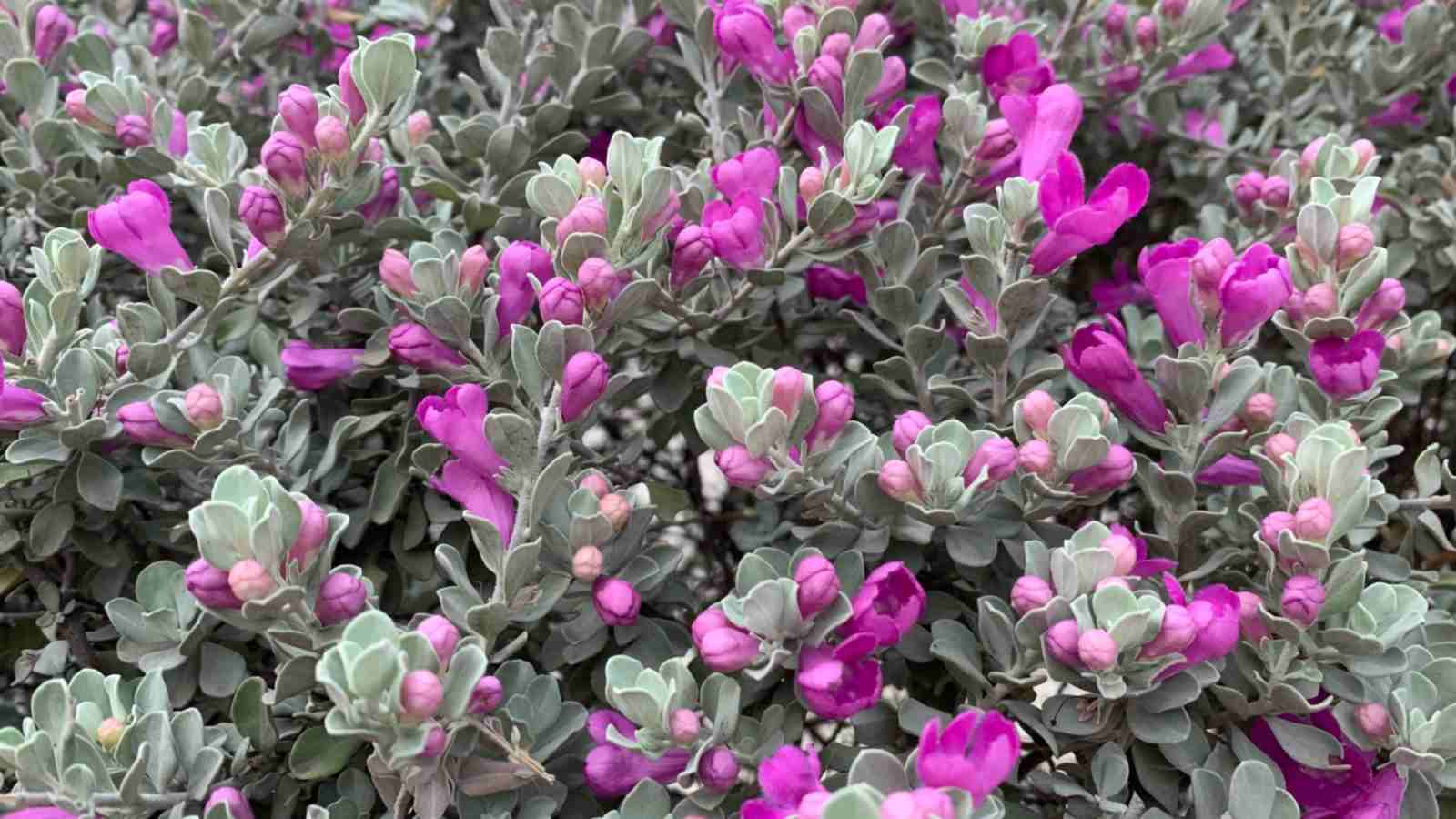
Botanical Name: Leucophyllum frutescens
Common Name: Texas sage, scarlet sage, blood sage
Family: Scrophulariaceae (Figwort Family)
Plant Type: Herb, perennial
Hardiness Zones: 9 – 10 (USDA)
Sun Exposure: Full, partial, shade
Soil Type: Loamy, clay, sandy
Soil pH: Acidic, neutral, alkaline
Bloom Time: Summer, fall
Flower Color: Pink, Purple, Lavender, White
Native Area: North America, Central America
Texas Sage Plant Care
The Texas Sage, also known as Leucophyllum frutescens or Cenizo, is a native shrub of the Chihuahuan Desert, Trans-Pecos, and the Edwards Plateau in Mexico.
This drought-resistant plant is a perfect addition to your landscape, as it is a low-maintenance shrub that thrives in full sun and well-drained soils.
For optimal growth and abundant flowers, ensure good drainage, as the Texas Sage is susceptible to root rot in clay or waterlogged areas. This shrub is also a deer-resistant plant and attracts butterflies and other wildlife, making it a great addition to your garden.
It’s important to note that the Texas Sage is a late bloomer, often not showing its beautiful flowers until late February, but the wait is worth it. This plant is also known to be a “Texas Barometer Bush,” as it tends to bloom after a significant rainfall.

Light
The Texas Sage thrives in full sun. This means that it requires at least 6 to 8 hours of direct sunlight daily to bloom and grow optimally.
These shrubs are native to the Chihuahuan Desert and the Trans-Pecos region and have adapted to the intense sunlight of these areas.
It is important to note that insufficient sunlight can result in leggy plants with decreased flower production.
So, when planning the landscape, ensure that you place your Texas Sage in a location where it can receive abundant light.
Soil
Texas sage thrives best in well-drained soils. This resilient shrub is native to regions like the Chihuahuan Desert, the Trans-Pecos, and the Edwards Plateau, where the soil is often sandy or gravelly.
While it can tolerate a variety of soil types including clay, it is crucial to ensure good drainage to prevent root rot, a common issue in plants grown in waterlogged soils.
In areas with heavy clay, it’s advisable to amend the soil with organic matter to improve drainage. Good soil preparation is essential, especially for low maintenance gardeners, as it can help the shrub withstand periods of drought more effectively.

Water
Texas Sage is a drought-tolerant plant that prefers good drainage and thrives in well-drained soils.
During periods of low rainfall, it’s essential to water the plant deeply but infrequently to avoid root rot, a common issue in clay soils. However, it’s important to note that this plant is quite resilient and can survive even the harshest drought conditions.
In fact, excessive watering can lead to more problems, such as powdery mildew, a fungal disease that affects many shrubs. Therefore, it’s best to let the top few inches of soil dry out between waterings to maintain the plant’s health.
Temperature and Humidity
Leucophyllum frutescens thrives in the heat of the Chihuahuan desert and the Trans-Pecos region. This plant is a true testament to the resilience of nature, as it can withstand the scorching temperatures of full sun exposure.
Texas sage is well-adapted to the hot and dry climate of Texas, particularly the Edwards Plateau. It is a plant that can endure both drought and high temperatures, making it a perfect fit for the arid landscapes of the state.
However, despite its hardiness, the Texas sage still appreciates a bit of late winter rainfall to encourage a bountiful late February bloom. It’s worth noting that while this plant can tolerate dry conditions, it still requires good drainage to prevent root rot, especially in clay soils.
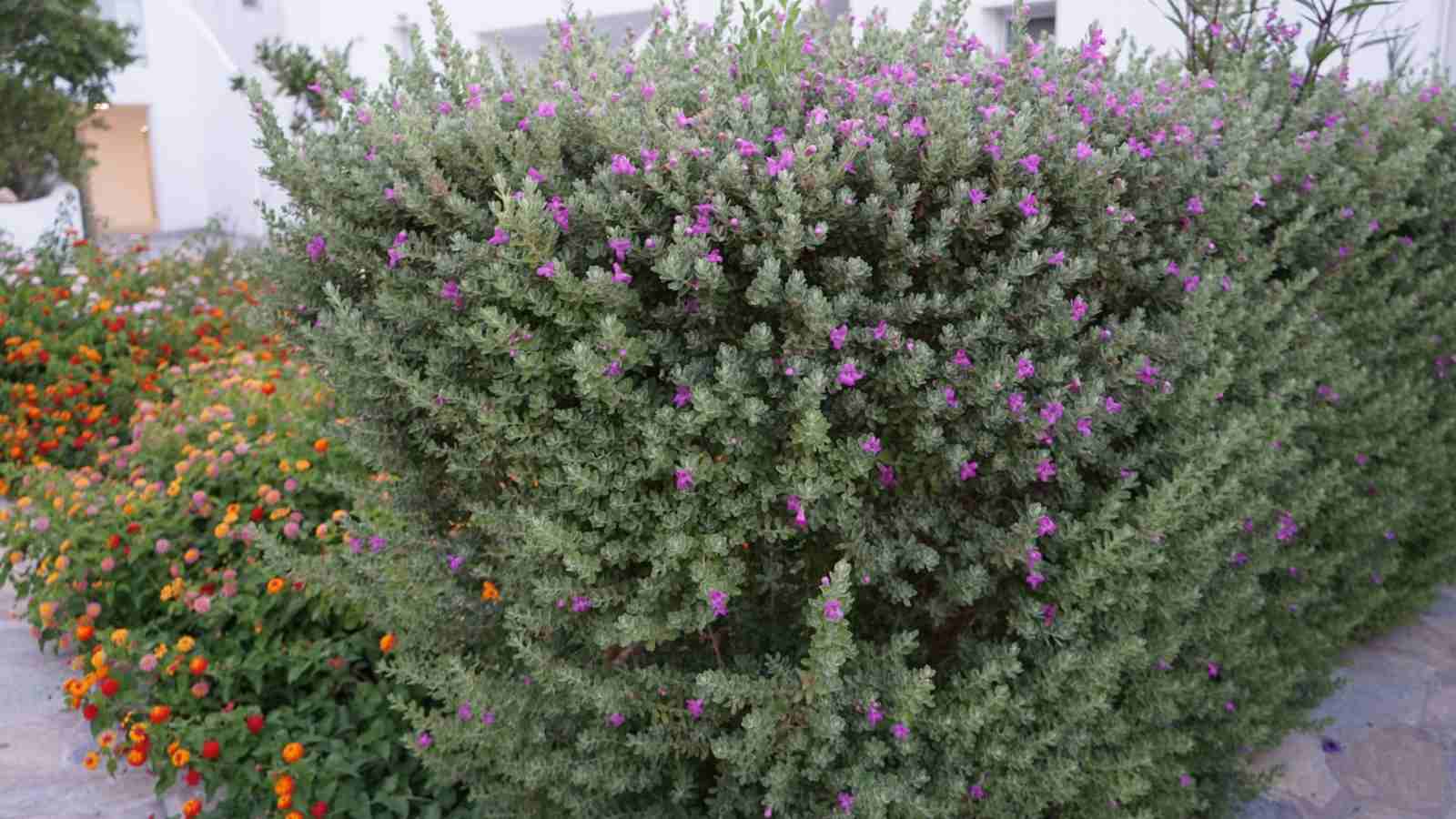
In terms of humidity, the Texas sage is relatively unfussy and can handle both low and high humidity with ease. This adaptability, combined with its stunning display of abundant flowers, makes the Texas sage a staple in many Texas gardens.
Fertilizer
Fertilization needs for this shrub are minimal, as it is well adapted to nutrient-poor environments. Applying a light, balanced fertilizer in late winter can encourage abundant blooming and lush leaf growth.
However, over-fertilization should be avoided, as it can lead to excessive foliage at the expense of the characteristic profusion of flowers.
Pruning
Pruning these shrubs is best done in late winter, around late February, before the new growth begins. This stimulates abundant bloom production.
Regular pruning also helps maintain the bushy, compact form of the plant, preventing it from becoming leggy. However, be cautious not to over-prune, as these shrubs bloom on the previous year’s growth.

After flowering, remove spent flowers to encourage a second flush of blooms. Always use clean, sharp tools to prevent the spread of diseases such as root rot.
Overwintering
Texas sage, scientifically known as Leucophyllum frutescens, is a hardy shrub that can withstand the late winter chill, making it a resilient addition to your landscape.
These plants are particularly well-suited to the Edwards Plateau and the arid regions of the Chihuahuan Desert and Trans-Pecos in Texas, as they can endure both drought and occasional periods of heavy rainfall.
However, to prevent root rot, it’s crucial to ensure good drainage, especially in heavy clay soils. Late February is the ideal time for pruning leggy plants to encourage a more compact form and abundant flowers in the coming season.
Types of Texas Sage
- ‘Green Cloud’: ‘Green Cloud’ is a unique Texas sage cultivar that is prized for its lush green foliage and its resistance to legginess, a common issue with some other varieties.

- ‘Silverado’: ‘Silverado’ is a silvery, gray-leaved variety of Texas sage that adds a touch of cool elegance to the landscape, contrasting beautifully with its abundant fuchsia
- ‘Compact’: ‘Compact’ is a dwarf variety of Texas sage, perfect for those looking to add the beauty of this plant to a small garden or a container.

- ‘Lynn’s Legacy’: ‘Lynn’s Legacy’ is a special cultivar of Texas sage, revered for its profusion of flowers and its resistance to common pests such as aphids, mealybugs, and powdery mildew.
How to Plant Texas Sage From Seed
Step 1: Selecting the Seeds
When selecting the seeds for your Texas Sage plant you have a variety of cultivars to choose from. Each cultivar offers a unique bloom color and growth habit, so choose one that best suits your landscape needs.
Step 2: Preparing the Soil
Texas Sage plants prefer well-drained soils. If your soil is heavy clay or prone to waterlogging, consider amending it with organic matter to improve its drainage. This is crucial to prevent root rot, a common issue in plants with poor drainage.
Step 3: Planting the Seeds
In late winter, preferably in late February, sow the Texas Sage seeds in a location that receives full sun. Plant the seeds at a depth of about twice their diameter and water gently.
How to Propagate Texas Sage

Step 1: Prepare the Cutting
Select a healthy, non-flowering stem from the Texas sage plant. The cutting should be around 4-6 inches long and have several sets of leaves.
Using sharp, sterilized pruning shears, make a clean cut just below a leaf node.
Remove the lower set of leaves to expose the nodes, which will be the points of root formation.
Step 2: Apply Rooting Hormone
Dip the cut end of the Texas sage cutting into a rooting hormone powder or gel. This will encourage the development of roots.
Be sure to tap off any excess hormone to avoid excessive application.
Step 3: Plant the Cutting
Fill a small pot or tray with a well-draining propagation medium, such as a mix of perlite and peat moss.
Make a hole in the medium using a pencil or similar tool and gently insert the cut end of the Texas sage cutting.
Press the medium around the base of the cutting to ensure good contact.
Step 4: Provide Ideal Conditions

Place the potted Texas sage cutting in a warm, bright location with indirect sunlight.
Keep the medium consistently moist but not waterlogged, as excessive moisture can lead to rot.
Monitor the cutting for signs of new growth, which indicate successful root development. This process can take several weeks to a few months.
How to Pot or Repot
Step 1: Choose the Right Pot and Soil
When it comes to potting or repotting your Texas Ranger, the first step is to choose the right container and soil.
As these shrubs prefer well-drained soils, it’s best to opt for a pot with good drainage to prevent root rot.
You can also add some sand to the potting mix to improve drainage, especially if you have clay soil.
Step 2: Prepare the Plant for Potting
Before you begin the potting process, it’s a good idea to prepare your Texas Ranger plant. This involves checking the root system for any signs of disease or overcrowding.
If you notice any root rot, you may need to trim away the affected roots. Additionally, if the plant has become leggy, you can prune it back to promote a more compact growth habit.
Step 3: Potting the Texas Sage
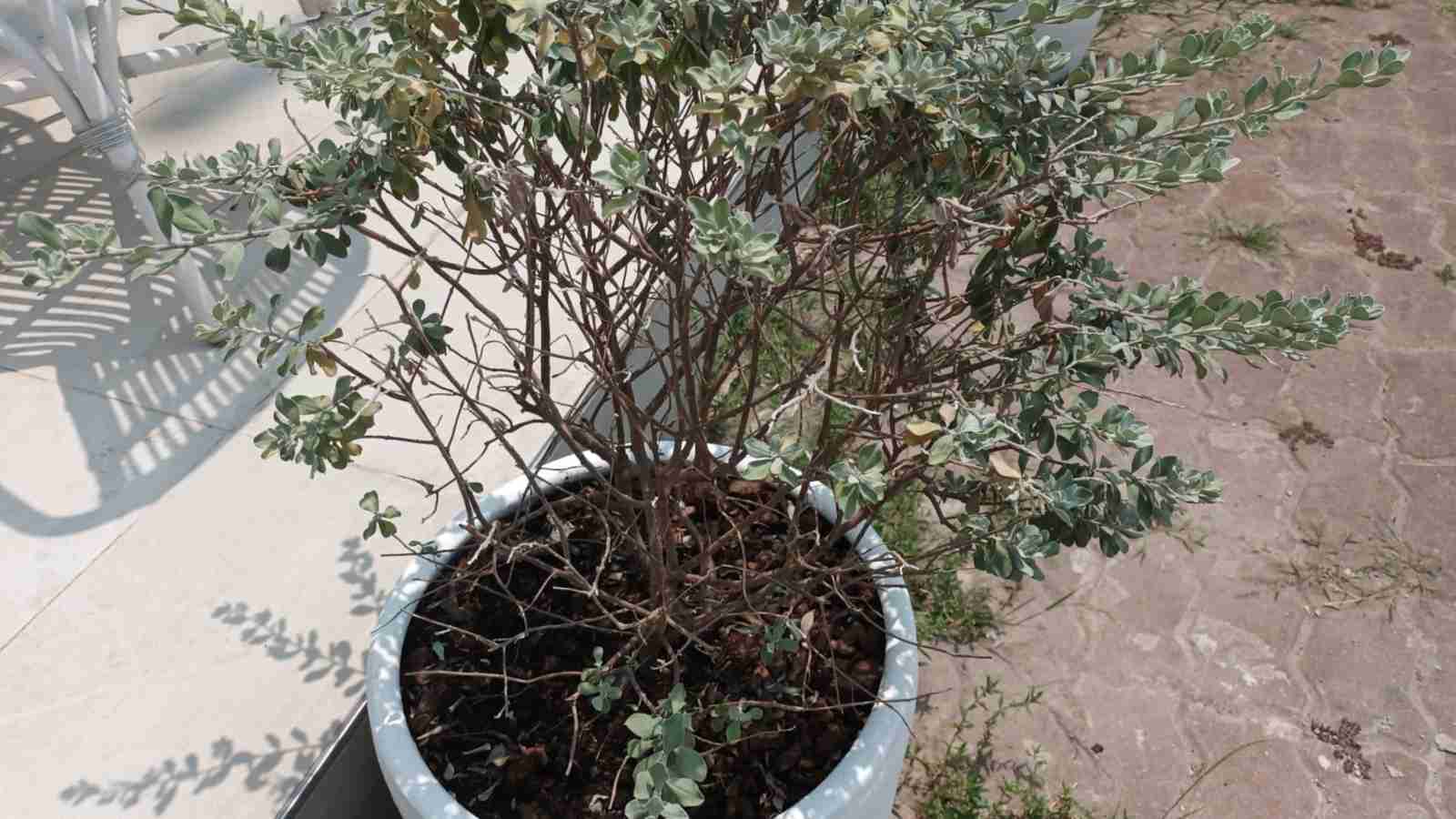
Once your plant and pot are ready, it’s time to begin the potting process. Fill the bottom of the pot with your well-draining soil mix, then carefully place the Texas Ranger in the center of the pot.
Fill in around the plant with more soil, gently pressing it down to remove any air pockets. Water the plant thoroughly, and place it in a location that receives full sun.
Common Pests and Plant Diseases
Aphids

Aphids are small, soft-bodied insects that can infest Texas Sage plants, also known as Leucophyllum frutescens or Texas Ranger. They feed on the sap of the plant, often congregating on new growth and the underside of leaves.
A heavy infestation can cause the leaves to curl and yellow, and can also lead to a decline in the plant’s overall health. Regular inspection of your Texas Sage and the application of a mild, organic insecticidal soap can help control these pests.
Powdery Mildew
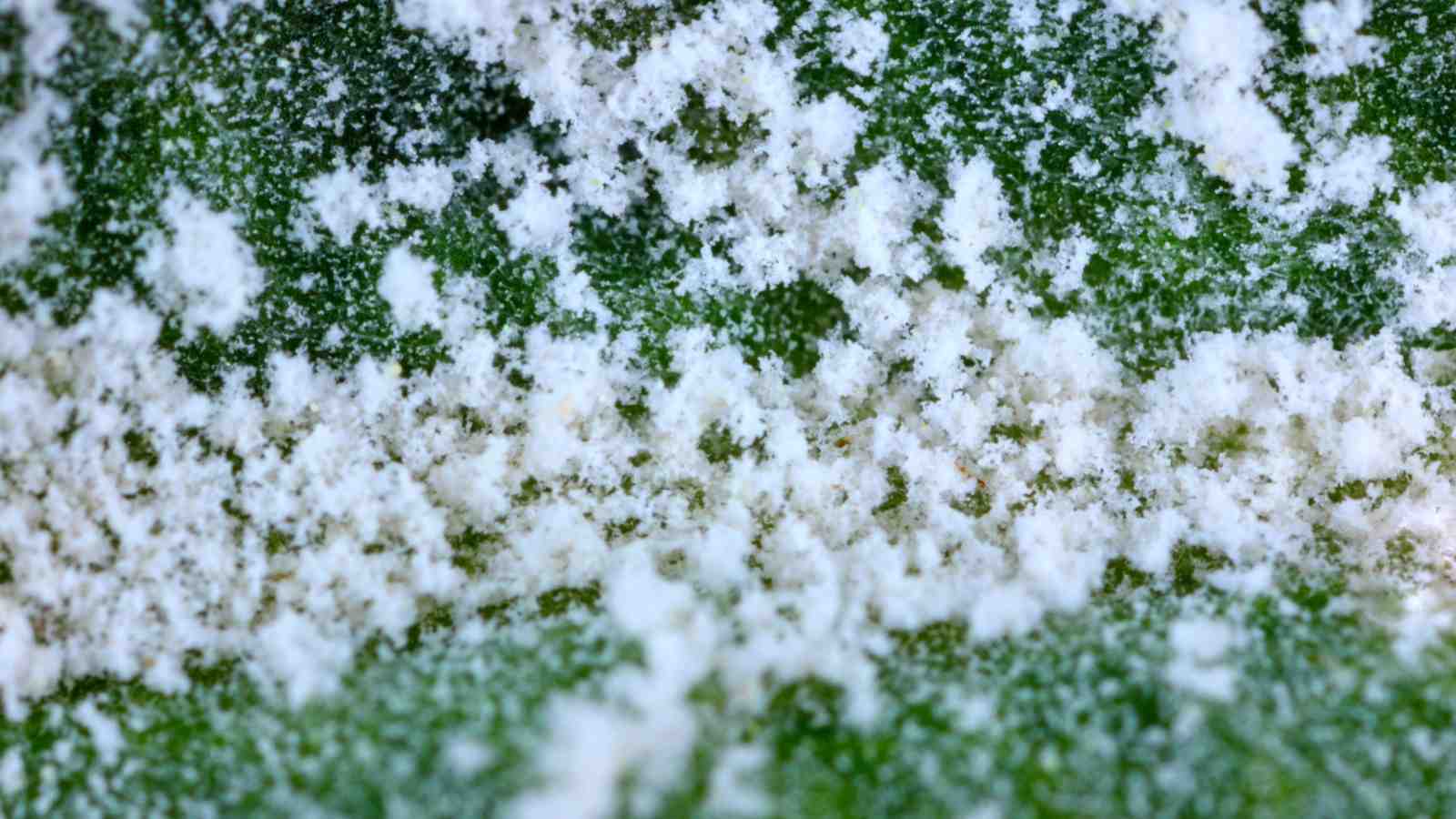
Powdery mildew is a common fungal disease that can affect Texas Sage, especially in areas with high humidity or frequent rainfall.
It appears as a white, powdery substance on the leaves and stems of the plant, often leading to leaf distortion and premature leaf drop.
Good air circulation and well-drained soils can help prevent powdery mildew. If your Texas Sage does become infected, a fungicidal spray can help manage the disease.
Root Rot
Root rot is a serious disease that can affect Texas Sage, particularly if the plant is grown in heavy, poorly drained soils.
The disease is caused by a fungus that attacks the roots, leading to a decline in the plant’s overall health and appearance.
Symptoms include wilting, yellowing leaves, and a general lack of vigor. To prevent root rot, it’s important to ensure your Texas Sage is planted in well-drained soils and to avoid overwatering.
Mealybugs

Mealybugs are another common pest that can affect Texas Sage. These small, white insects feed on the sap of the plant, often congregating in protected areas such as the leaf axils or the underside of leaves.
A heavy infestation can lead to a decline in the plant’s overall health and can also result in a sticky substance called honeydew, which can attract ants and other pests. Regular inspection and the application of a mild, organic insecticidal soap can help control mealybugs.
Common Plant Problems and Solutions for Texas Sage
Brown Tips
Brown tips on the leaves of your Leucophyllum frutescens are often a sign of poor watering habits.
This shrub, native to the Chihuahuan Desert and Trans-Pecos region of Texas, requires good drainage to thrive. If your plant is in heavy clay soil or a location with poor drainage, it may suffer from root rot, leading to brown tips.
To rectify this, ensure your plant is in well-drained soils. If your garden soil doesn’t naturally provide good drainage, consider adding organic matter or perlite to improve it.
Yellowing Leaves
Yellowing leaves on a Texas Sage plant are often a sign of overwatering. While these shrubs can tolerate drought conditions and low rainfall, they do not fare well in consistently wet soil.
If your plant is in an area that receives regular irrigation or experiences periods of heavy rainfall, it may develop yellowing leaves as a result of waterlogged soil.
To combat this, ensure your plant is in a location with good drainage, and adjust your watering schedule to allow the soil to dry out between waterings.
Leggy Plants
Texas Sage plants are known for their compact, rounded form, but they can become leggy if they don’t receive enough sunlight. These shrubs thrive in full sun and may stretch out and become leggy if they’re in a shaded location.
To prevent this, ensure your Texas Sage is planted in a spot that receives at least 6 hours of direct sunlight per day.
If your plant has already become leggy, you can prune it back in late winter, around late February, to encourage a more compact growth habit.
Failure to Bloom
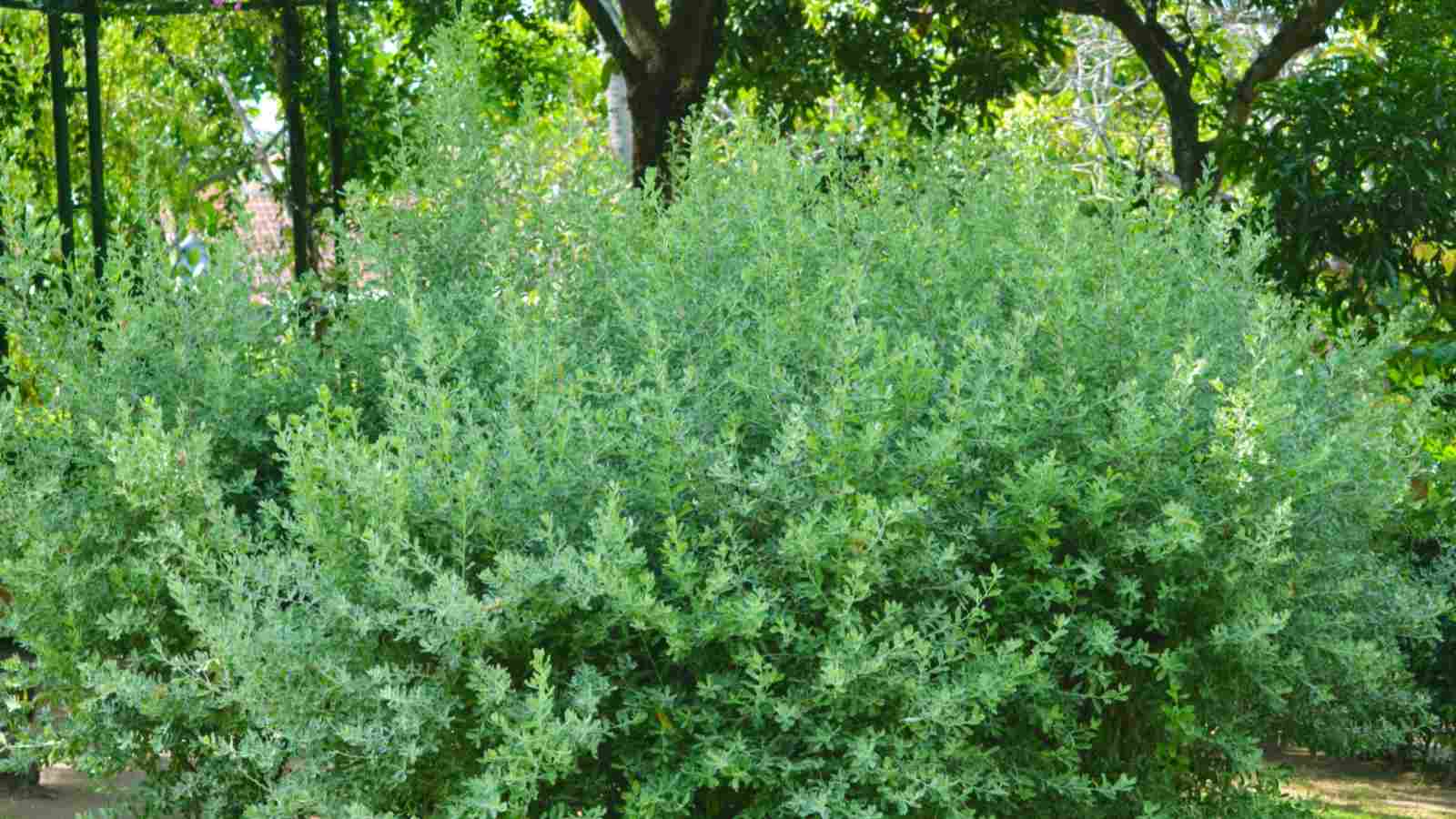
This shrub is prized for its abundant flowers, which bloom in late winter and early spring, adding a pop of color to the landscape.
If your Texas Sage isn’t blooming, it may be due to a lack of sunlight or excessive nitrogen in the soil. These shrubs prefer lean soil and can be adversely affected by too much fertilizer.
Ensure your plant is in a sunny location and avoid over-fertilization. Once the conditions are corrected, your Texas Sage should burst into bloom, attracting butterflies and other wildlife to your garden.
Other Guides from Planet Natural:


