Astilbes are a charming addition to any shade garden with their feathery plumes and fern-like foliage. These perennials are known for their hardy nature and vibrant blooms that add texture and color to the garden.
These plants thrive in well-drained soil and full shade, making them ideal for areas of the garden that don’t receive direct sunlight.
The green foliage of astilbes provides a beautiful contrast to the colorful blooms, creating a visually appealing landscape. Despite their delicate appearance, astilbes are robust and can withstand challenging conditions, including drought.
Astilbe, a perennial plant, is a popular choice for shade gardens due to its fern-like foliage and feathery plumes that provide texture and color to the garden.
The astilbe plants are hardy perennials that thrive in well-drained soil and full shade. They are known for their vibrant blooms that appear in early spring and last until late fall.
Astilbes are not just aesthetically pleasing but also practical. They are deer-resistant, meaning that they are not usually on the menu for pests like deer and rabbits.
These plants are also quite hardy, able to tolerate a variety of soil conditions, including drought, provided they are given adequate soil moisture.
Astilbes are a wonderful addition to any shade garden. Their feathery plumes, fern-like leaves, and range of colors, from soft pinks to vibrant reds, add a unique texture and depth to the garden.
As a master gardener, I’ll share everything you need to know about this stunning plant and how to grow and care for it in this complete guide.
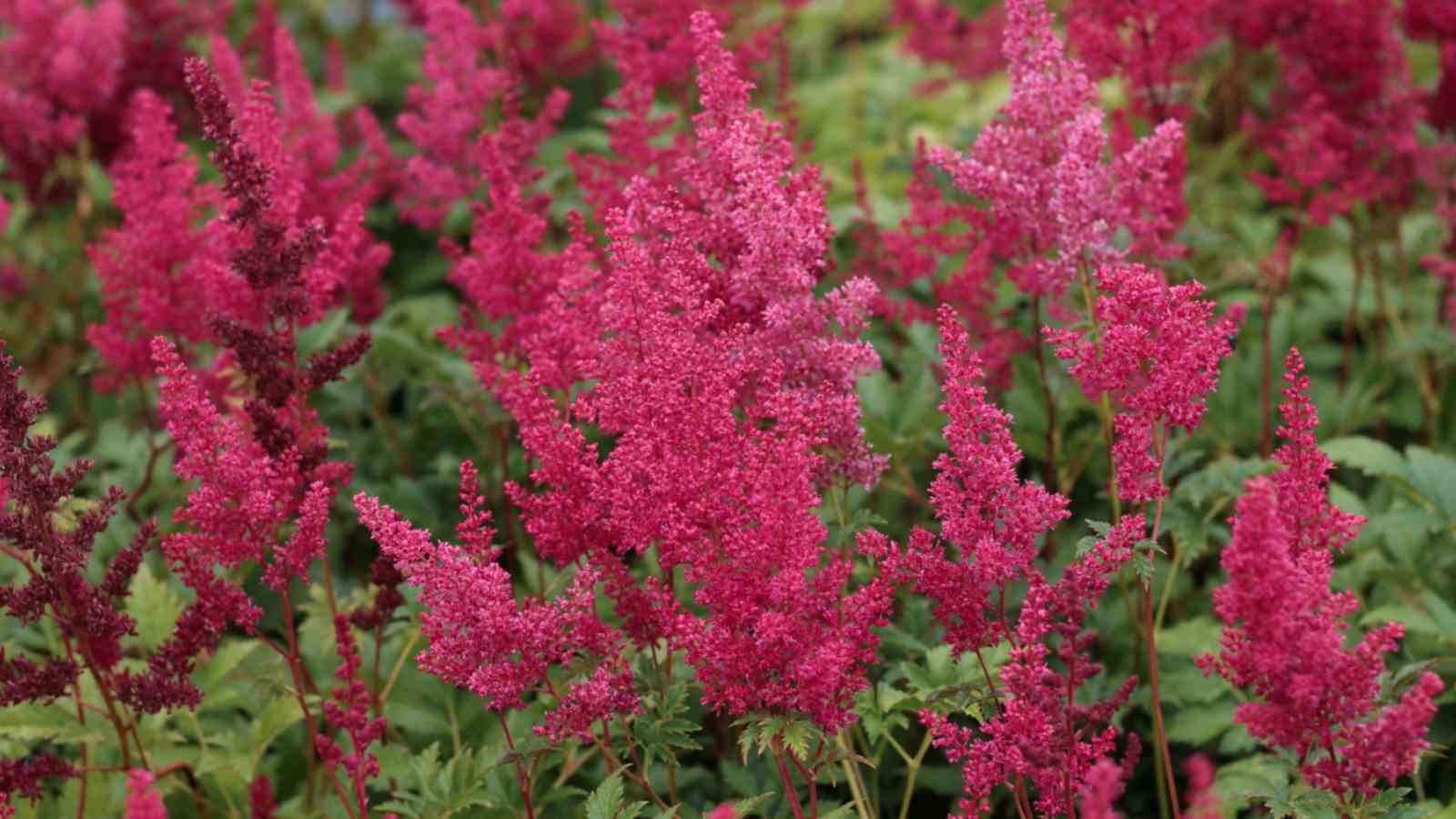
Botanical Name: Astilbe spp.
Common Name: Astilbe, false spirea, false goat’s beard
Family: Saxifragaceae
Plant Type: Perennial, rhizome
Hardiness Zones: 3-8 (USDA)
Sun Exposure: Partial, full
Soil Type: Loamy, moist
Soil pH: Acidic, neutral
Bloom Time: Spring, summer
Flower Color: Pink, red, purple, white
Native Area: Asia, North America
Astilbe Plant Care
Astilbes are hardy perennials that thrive in full shade to partial shades. During the growing season, usually from early spring to late fall, ensure that astilbes are planted in well-drained soil enriched with organic matter such as compost or other organic materials.
Soil moisture is crucial for these plants as they are not drought-tolerant; mulch can be added around the stem, not touching the soil line, to help retain moisture and provide extra nutrients.

Astilbes are generally deer-resistant but may attract pests like rabbits, so keep an eye out for these critters. Their green foliage and vibrant blooms make them stand out, and with proper care, these plants can flourish beautifully.
Light
Astilbe plants thrive best in full shade to partial sunlight. While they can tolerate some sunlight, too much exposure can scorch their fern-like foliage and weaken the plant.
It’s best to plant your astilbes in areas that receive morning light and afternoon shade, or in spaces where they get filtered light throughout the day.
This will ensure the vibrant green foliage and feathery plumes of your astilbe plants remain healthy and vibrant. A shade garden is an ideal location for these plants.
Soil
Astilbe plants do best in well-drained soil that’s rich in organic matter. The soil should be slightly acidic, and it’s essential to maintain consistent soil moisture throughout the growing season.
Adding compost or other organic materials to the soil not only improves its texture but also provides the necessary nutrients for the astilbes.

The plants should be placed so that their crown is at the soil line. If the soil in your shade garden is prone to drought, consider adding mulch to help retain moisture.
Water
Astilbe plants grow very well with consistent soil moisture. During the growing season, these plants require regular watering, especially during periods of drought, to maintain their lush green foliage and feathery plumes.
Overwatering can lead to stem rot, so it’s essential to balance the moisture levels. In full shade, astilbes may need less water, but they should never be allowed to dry out completely.
The best time to water astilbes is in the early spring and late fall, ensuring they have enough moisture to produce their stunning blooms.
Temperature and Humidity
Astilbe plants thrive in moderate temperatures and high humidity. They prefer climates where summers are not excessively hot and winters are mild.
During the growing season, these hardy perennials can withstand temperatures as low as -30 degrees Fahrenheit, making them a resilient choice for many gardens.

Humidity is crucial for these plants as it helps maintain soil moisture, which is essential for their growth. In drier climates, regular watering is necessary to replicate the humid conditions that astilbes love.
Fertilizer
Astilbes flourish in well-drained soil rich in organic matter. These plants appreciate a generous helping of compost or other organic materials worked into the soil at planting time.
This not only improves soil texture but also provides essential nutrients that promote lush green foliage and feathery plumes of blooms.
During the growing season, additional feedings with a balanced fertilizer can help maintain soil moisture and nutrient levels. In the late fall, a layer of mulch can be added to protect the plant and replenish the soil’s organic matter over winter.
Types of Astilbe
- ‘Chocolate Shogun’ Astilbe: ‘Chocolate Shogun’ astilbe is a unique astilbe plant that stands out in any shade garden. Its dark, chocolate-colored leaves provide an interesting contrast to its feathery, pink plumes.
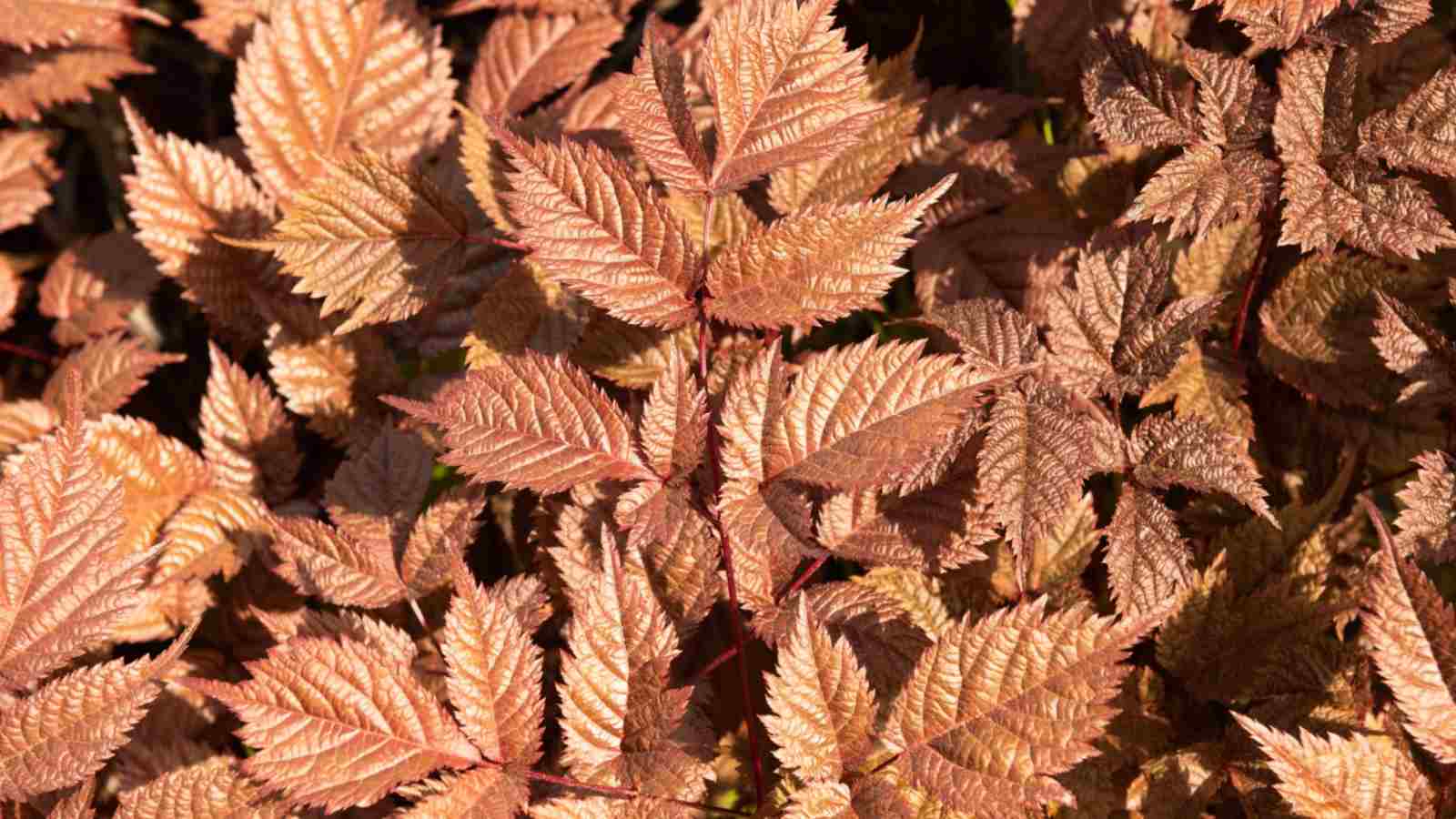
- ‘Color Flash’ Astilbe: ‘Color Flash’ astilbe is a versatile perennial that thrives in shades and is known for its green foliage that changes to a vibrant burgundy in the fall. This astilbe’s fern-like foliage and feathery plumes add texture to any garden.

- Dwarf Chinese Astilbe: Dwarf Chinese astilbe is a compact variety that is perfect for smaller shade gardens. Despite its smaller size, it makes a big impact with its vibrant, feathery blooms. It is a hardy plant that thrives in full shade and well-drained soil.

- ‘Fanal’ Astilbe: ‘Fanal’ astilbe is a popular variety known for its deep red blooms. The contrast between its dark stems and feathery plumes is a beautiful addition to any garden.

- ‘Federsee’ Astilbe: ‘Federsee’ astilbe is a hardy perennial that thrives in full shade. Its feathery, pink plumes and fern-like foliage add texture to any garden. It prefers well-drained soil and requires regular soil moisture to avoid drought stress.

- ‘Superba’ Chinese Astilbe: ‘Superba’ Chinese astilbe is a tall, robust variety that can reach up to 4 feet in height. Its large, feathery plumes and green foliage provide a dramatic texture to any shade garden.
- ‘Visions’ Chinese Astilbe: ‘Visions’ Chinese astilbe is a compact variety known for its vibrant purple blooms. It thrives in full shade and well-drained soil, and it requires regular soil moisture to avoid drought stress.

How to Plant Astilbe From Seed
Step 1: Collect and Prepare Seeds
Begin by collecting mature astilbe seeds from existing plants once the seed pods have dried out and turned brown, or purchasing them.
Once collected, store the seeds in a cool, dry place until you’re ready to plant them.
Before sowing, you can stratify the seeds by placing them in a moistened paper towel inside a plastic bag and refrigerating them for 4-6 weeks to simulate winter conditions.

Step 2: Sow the Seeds
Fill seed trays or pots with a well-draining potting mix, lightly pressing the soil to make it firm. Scatter the astilbe seeds evenly over the surface of the soil, then lightly cover them with a thin layer of additional soil or vermiculite.
Mist the soil with water to ensure it’s evenly moist, but avoid saturating it to prevent seeds from floating away or becoming waterlogged.
Step 3: Germinate the Seeds
Place the seed trays or pots in a location with indirect sunlight or under grow lights, maintaining a consistent temperature between 60-70°F (15-21°C).
Keep the soil consistently moist but not waterlogged by misting it regularly or using a gentle watering method. Germination may take several weeks to months.
Once the seedlings have developed several sets of true leaves, they can be transplanted into individual pots or directly into the garden after the danger of frost has passed.
Step 4: Transplant the Seedlings
When the seedlings have grown large enough to handle, carefully transplant them into larger pots or directly into well-prepared garden beds.
Choose a location with partial to full shade and moist, humus-rich soil. Space the seedlings according to the recommended spacing for the specific astilbe variety you’re growing, typically around 12-18 inches apart.

How to Propagate Astilbe
Step 1: Choose the Right Time and Plant
Select a suitable time for division, ideally in early spring or autumn when the plant is not actively growing and the weather is mild.
Choose a healthy and mature astilbe plant with multiple crowns or shoots emerging from the ground, indicating its readiness for division.
Step 2: Prepare the Plant and Tools
Water the astilbe plant thoroughly a day or two before division to ensure the soil is adequately moist.
Prepare your gardening tools, including a garden fork or shovel for digging, as well as a sharp knife or garden shears for dividing the plant.
Step 3: Remove the Plant
Using a garden fork or shovel, carefully dig around the base of the astilbe plant, creating a wide circle to encompass the entire root ball.
Dig to a depth that allows you to lift the plant from the ground without damaging the roots.
Once the plant is loosened from the soil, gently lift it from the ground, taking care to support the root ball to minimize damage. Shake off excess soil to expose the root system, but avoid disturbing the roots excessively.
Step 4: Separate the Crowns or Shoots
Examine the root ball to identify natural divisions or sections where the plant can be separated.
Using a sharp knife or garden shears, carefully cut through the root ball to separate these divisions, ensuring that each division has its own set of roots attached.
Step 5: Plant the Divisions
Prepare planting holes in the desired location for each division, ensuring they are spaced appropriately to allow for future growth. Amend the soil with organic matter if necessary to improve drainage and fertility.
Plant each division at the same depth it was previously growing, making sure the roots are spread out and covered with soil.
How to Pot or Repot Astilbe
Step 1: Select the Right Container
Choosing the right container is the first crucial step in potting or re-potting astilbe plants. They prefer well-drained soil, so select a pot with sufficient drainage holes.
The container should also be large enough to accommodate the plant’s stem and root system, allowing room for growth.
Step 2: Prepare the Soil
Astilbes thrive in soil rich in organic matter. Prepare a mix of compost, organic materials, and well-drained soil. The compost provides essential nutrients that will support the astilbe’s growth throughout the growing season.
Organic materials, such as mulch, help maintain soil moisture, a crucial aspect for these shade-loving plants. The soil should be well-drained to prevent waterlogging, which could lead to root rot.
Step 3: Re-Pot the Astilbe

Plant your astilbe in early spring or late fall. Dig a hole in the soil that is deep enough to cover the roots, but ensure the crown of the plant (where the stem meets the roots) is at or slightly above the soil line.
This positioning helps the plant absorb enough sunlight for photosynthesis while also protecting it from pests like rabbits and deer, as astilbes are deer-resistant plants.
Common Pests and Plant Diseases for Astilbe
Rabbits

Despite being deer-resistant, Astilbe plants often fall prey to rabbits. These pests have a preference for the green foliage and feathery plumes of the astilbe, especially during early spring when the blooms are at their most vibrant.
To protect your plants, consider using organic materials such as a protective mesh or fence around your shade garden.
Powdery Mildew
Powdery mildew is a common plant disease that can affect astilbes. This fungus manifests as a white, powdery substance on the leaves and stem of the plant, often during the late fall.
It thrives in shades with poor air circulation and can be controlled by ensuring the plants are well-spaced and the area around them is kept clean of fallen leaves and other organic matter.
Root Rot
Root rot is another disease that can affect astilbes, particularly if they are planted in soil that is not well-drained. This disease, which is caused by a fungus, can lead to wilting and yellowing of the leaves.
To prevent this, ensure your astilbes are planted in well-drained soil, and maintain proper soil moisture levels throughout the growing season by using mulch and compost to enrich the soil with nutrients.
Spider Mites

Spider mites are tiny pests that can cause significant damage to astilbes. They suck the sap from the leaves, causing them to turn yellow and fall off.
Spider mites thrive in conditions of drought, so ensuring your Astilbes receive adequate water, particularly in dry periods, can help to keep these pests at bay.
Common Plant Problems and Solutions for Astilbe
Brown Tips
Astilbes, like many perennials, can develop brown tips on their feathery plumes and fern-like foliage. This is often a sign of drought stress, as these hardy plants prefer well-drained soil that maintains consistent soil moisture.
To combat this, water your astilbe plants regularly during the growing season, especially in periods of dry weather. Adding organic materials like compost or mulch around the soil line can also help retain moisture and provide essential nutrients.
Yellowing Leaves
If the green foliage of your astilbes is turning yellow, it may be due to a lack of organic matter in the soil. These plants thrive in soil rich in organic matter, which provides the nutrients they need.
To remedy this, enrich the soil with compost or other organic materials in early spring and late fall. This will not only improve soil texture but also enhance its nutrient content.
Insufficient Shade
Astilbes are shade-loving plants, and too much sunlight can harm them.
If your astilbes are showing signs of sunburn, such as faded blooms or wilted leaves, consider relocating them to a spot with full shade or at least where they can get protection from the afternoon sun.
Poor Soil Drainage
Astilbes prefer well-drained soil, and waterlogged conditions can lead to root rot. If the stem near the soil line becomes soft and discolored, it’s a sign of poor drainage.
Improve the situation by amending the soil with organic matter to improve its drainage capacity.
Other Guides from Planet Natural: