

As winter bows out, nature stages its grand comeback with a vibrant floral display, transforming gardens into enchanting landscapes. Dive into the world of spring’s floral symphony, where each petal is a brushstroke painting of a masterpiece. From the delicate Snowdrops heralding the season to the majestic Lupines standing tall, this guide unveils 24 of the best spring flowers that will turn your garden into a riot of colors and fragrances.
Alliums

Alliums’ distinctive spherical blooms are resilient perennials that grace gardens from late spring to summer. These elegant flowers, available in various shades, attract bees and can be used in fresh and dried arrangements. Plant them in well-drained soil and provide full sun, ensuring compatibility with USDA Zones 3-9.
Bearded Iris

The bearded Iris, named for its distinctive falls with hairs along the center, produces striking blooms from May to June. These flowers, available in various colors, prefer well-drained soil and full sun, making them suitable for USDA Zones 3-10.
Crocus

Crocus, the early bloomers, offer vibrant colors of purple, yellow, and white, attracting queen bumblebees. These versatile flowers thrive in well-drained soil and can adapt to partial to full sun, compatible with USDA Zones 3-8.
Creeping Phlox

Creeping Phlox, a low-growing perennial, blankets gardens with tiny purple and pink flowers in mid-spring. Ideal for slopes and rock gardens, it requires full sun, and its compatibility extends across USDA Zones 3-9.
Daffodils

Daffodils, with their delightful yellow blooms, are hardy spring flowers that flourish in various conditions. Available in different varieties, they prefer well-drained soil and can adapt to partial shade, compatible with USDA Zones 3-9.
Epimedium

Epimedium, or bishop’s cap, unfolds delicate fairy-like wings in early spring. Perfect for shaded areas, these perennials prefer partial shade and well-drained soil, suitable for USDA Zones 4-9.
Foxgloves

Foxgloves, biennial or perennial, bloom from late spring to early summer. Their distinctive tubular flowers come in shades of pink, purple, white, and orange. They prefer well-drained soil and partial shade, compatible with USDA Zones 4-8.
Grape Hyacinth
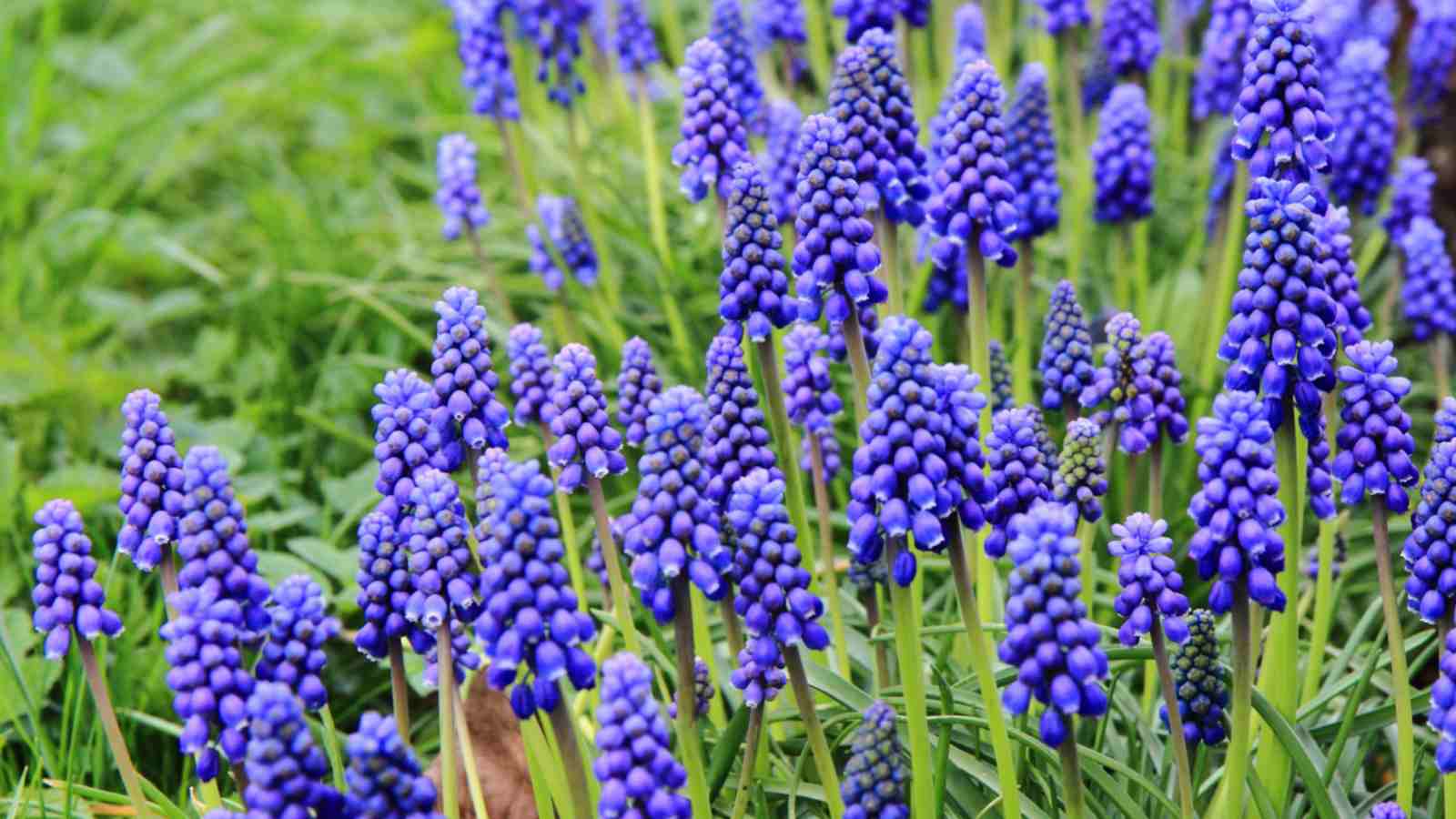
Grape Hyacinth, or Muscari, produces cheerful blue flowers in spring. Versatile and adaptable, these bulbs suit pots, borders, or lawns and are compatible with USDA Zones 3-9.
Hellebores

Hellebores, blooming from winter to spring, come in various colors. From the early Christmas Rose to the later-blooming hybrids, they prefer well-drained soil and partial shade, with compatibility across USDA Zones 4-9.
Heather

Heather, including Winter and Spring Heathers, blooms when few other flowers do. Attractive to bumblebees, heathers prefer well-drained soil and are suitable for USDA Zones 4-8.
Hyacinth

Fentuous and charming, hyacinth offers bursts of color in purple, white, and pink. From March to April, they thrive in well-drained soil and partial to full sun, compatible with USDA Zones 4-8.
Lupine

Lupine, characterized by tall spikes of attractive flowers, attracts pollinators and thrives in partial to full sun. Their compatibility spans USDA Zones 4-8.
Lungwort

Lungwort, a beautiful perennial herb, thrives in shadier areas than other spring blooms. Producing purple or pink flowers, it’s suitable for USDA Zones 3-8.
Pansy

Pansy, the captivating annual with a wide color range, adds a splash of early-season color. Pansies are resilient to cold weather and compatible with USDA Zones 4-8.
Primrose

Primrose, with clusters of colorful blooms, comes in various varieties. They prefer partial shade and well-drained soil, adapting to USDA Zones 3-9.
Rhododendron

Rhododendrons, with shiny leaves and late spring blooms in various colors, can be evergreen or deciduous. Check the specific type for compatibility with your USDA Zone.
Snapdragon

Snapdragon, a robust annual with pastel to deep-colored blooms, tolerates cold weather well. Ideal for spring color, it suits various USDA Zones.
Snowdrops

Snowdrops, with delicate white blooms, herald the arrival of spring. Species like Galanthus nivalis prefer partial shade and well-drained soil, with compatibility across USDA Zones 3-7.
Snake’s Head

Snake’s Head, a stunning bulb from the lily family, blooms in spring with checkered flowers in mauve, pink, and white shades. It thrives in well-drained soil and partial shade, suitable for USDA Zones 4-8.
Sweet Alyssum

Sweet Alyssum, a delicate annual, withstands frost and produces blooms from spring until the first hard freeze. Resilient and sturdy, it’s suitable for USDA Zones 4-8.
Tulips

Tulips, the famous spring flowers, come in various shades and sizes. They prefer well-drained soil and full sun, compatible with USDA Zones 3-8.
Wallflowers

Wallflowers and biennial plants bloom in spring and prefer well-drained soil and full sun. Sow them in late spring or plant bare-root varieties in the fall, suitable for USDA Zones 4-8.
Weigela

With cheerful pink and white trumpet-shaped flowers, Weigela thrives in full sun or partial shade. Blooming in spring, these adaptable flowers continue into summer and fall. They’re suitable for USDA Zones 4-8.
Winter Aconite

Winter Aconite, a perennial blooming early with pretty yellow flowers, pairs well with Snowdrops. They prefer locations with full sun or partial shade and well-drained soil, compatible with USDA Zones 3-7.
Conclusion
In the symphony of spring, these 24 flowers compose a garden masterpiece. Whether adorning borders, rock gardens, or gracing vases, these flowers promise a spectacle that transcends the ordinary. Embrace the enchantment of spring as your garden awakens to a kaleidoscope of nature’s finest offerings, a testament to the beauty of renewal and growth. Let your garden be a canvas painted with the brushstrokes of these exquisite blooms, inviting you to celebrate the magic of spring.
Other Guides from Planet Natural:
Save Your Spring By Avoiding These Common Gardening Mistakes


