

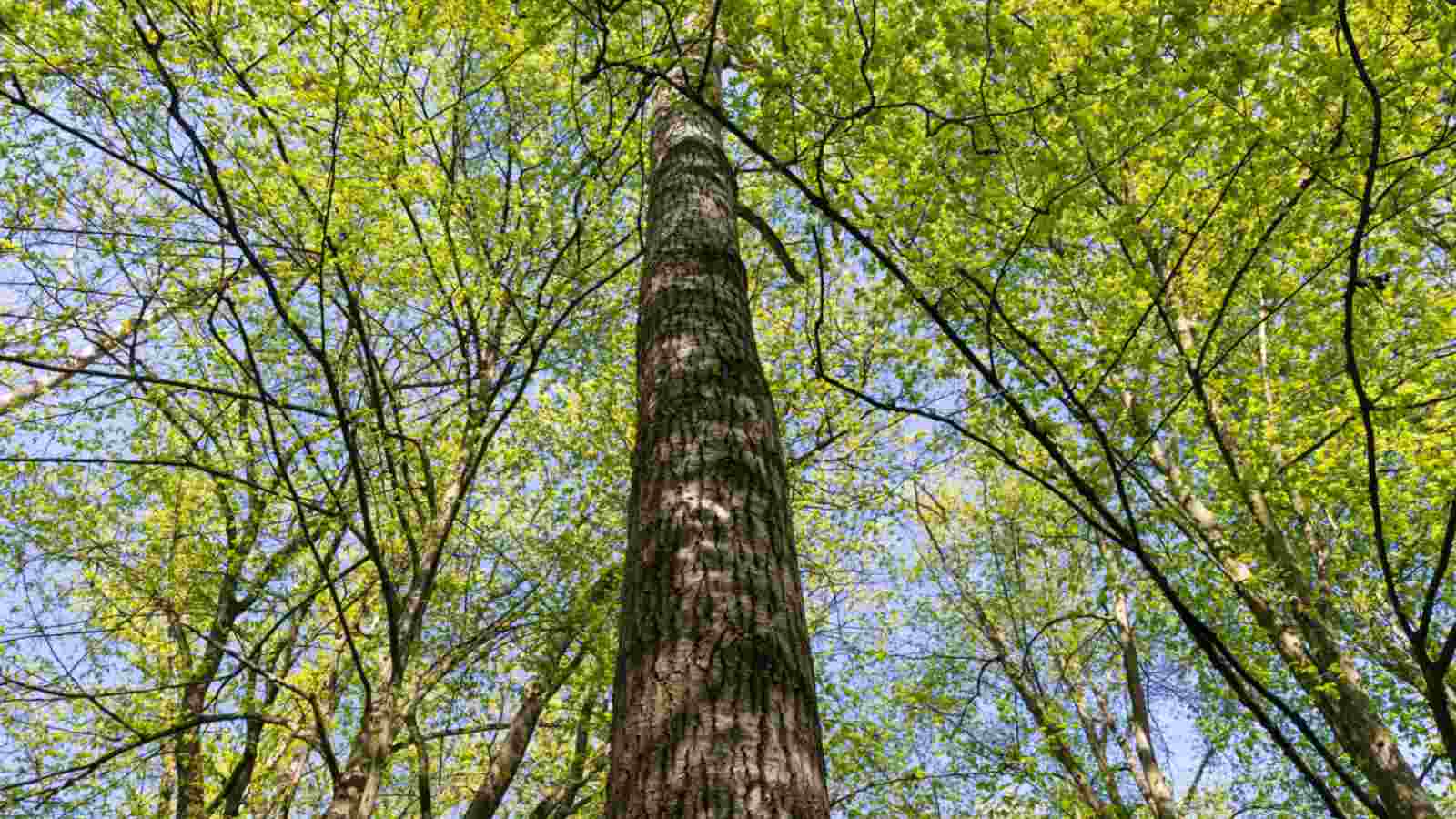
Hornbeam trees belonging to the genus Carpinus are renowned for their elegance and resilience. These majestic giants can reach staggering heights, their branches gracefully stretching like welcoming arms. Their smooth, gray trunk serves as a testament to their age, resembling the weathered wisdom of an ancient sage, and the larger branches of a mature tree exhibit a distinctive muscle-like fluting. One of the most intriguing features of hornbeam trees is their distinct leaves, which sport a serrated edge reminiscent of the teeth of a saw. During spring, these leaves unfurl in vibrant hues of green, creating a mesmerizing sight. Small female flowers bloom near the ends of the twigs, and tiny male flowers in drooping catkins appear in April. The trees also produce unique fruits, known as nutlets, adding to their distinctive charm.
Hornbeam trees come in various types, each with its unique allure. The European hornbeam (Carpinus betulus) and American hornbeam (Carpinus caroliniana) are among the most well-known species. European hornbeams grace the landscapes of Europe and Western Asia, thriving in the moist, temperate climates of these regions. On the other hand, American hornbeams find their home in North America, adorning the woodlands with their enchanting presence. These trees have also found their way into gardens and parks worldwide, adding a touch of natural elegance to urban spaces.
Beyond their aesthetic appeal, hornbeam trees have been valued for centuries due to their versatile applications. Woodworkers cherish hornbeam wood for its remarkable strength and durability, often utilizing it in furniture-making and tool crafting. In traditional medicine, various parts of the tree have been used to prepare herbal remedies, harnessing its healing properties. Additionally, these trees hold cultural significance in many societies, symbolizing endurance, protection, and wisdom. Their presence in folklore and mythology further enriches their cultural importance, weaving them into the tapestry of human heritage. Nowadays, it’s mainly used for furniture, flooring, and wood turning, but traditionally, the wood was made into ox yokes, which were used to join a team of plowing oxen together. The wooden ‘beam’ would have been attached to their horns, contributing to the tree’s name.
With years of experience as a master gardener, my passion for hornbeam trees has led me to unravel their beauty and significance. In this brief guide, I’ll unveil the captivating world of hornbeam trees, sharing insights into their unique characteristics and offering essential care tips for cultivating these magnificent trees effortlessly.
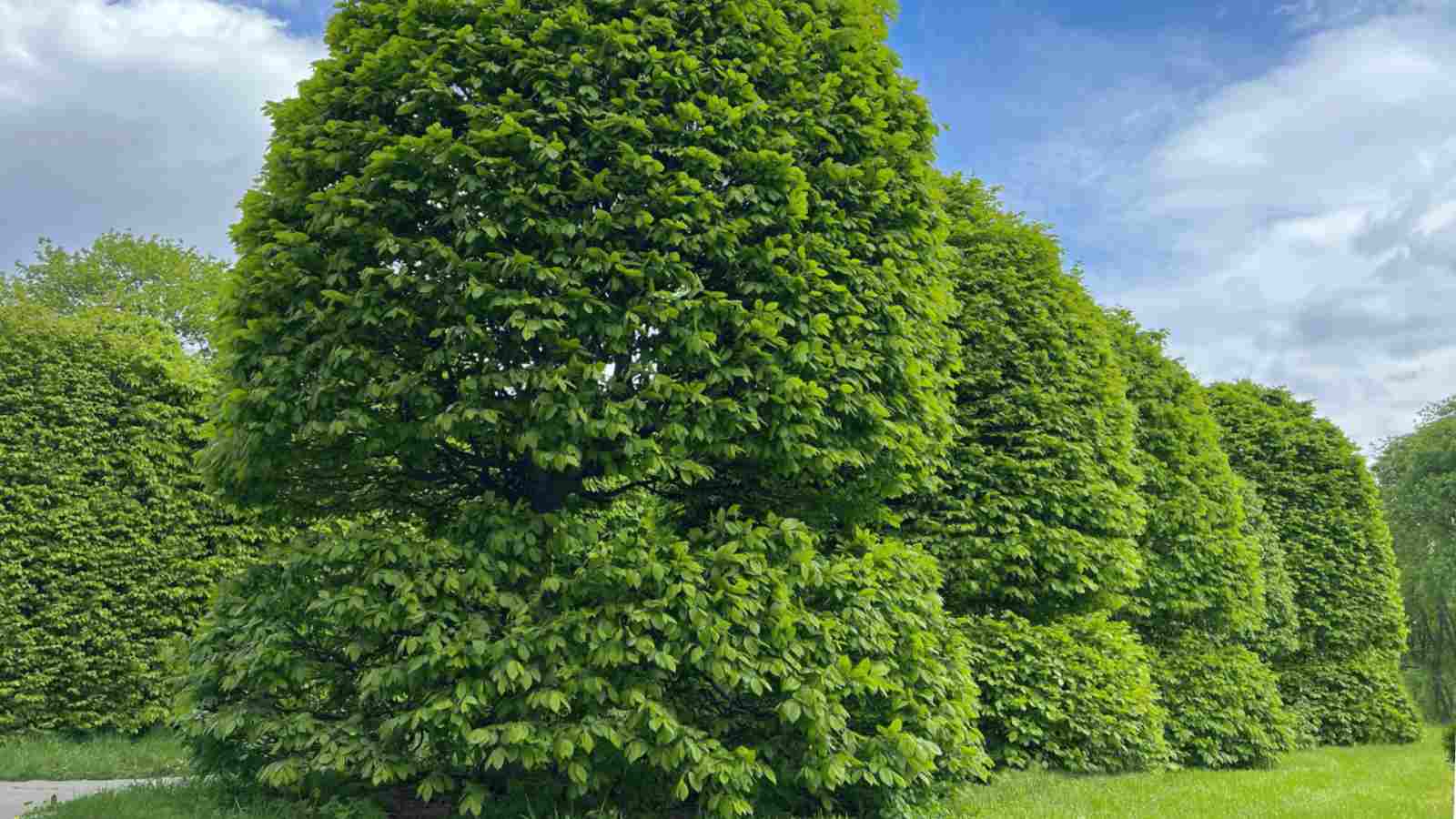
Botanical Name: Carpinus spp.
Common Name: Hornbeam Tree, Blue beech, Muscle beech, Water beech, Muscletree, Musclewood, and Ironwood
Family: Betulaceae (Birch Family)
Plant Type: Deciduous Tree
Hardiness Zones: 3 to 9
Sun Exposure: Full Sun to Partial Shade
Soil Type: Well-drained, loamy soil
Soil pH: 6.0 to 7.5 (Neutral to slightly acidic)
Maturity: 20 to 40 years
Height: 30 to 50 feet
Spacing: 20 to 30 feet apart
Bloom Time: Spring
Flower Color: Inconspicuous
Native Area: Europe, Western Asia, North America
Hornbeam Tree Care
Caring for hornbeam trees involves understanding their specific needs to ensure their optimal growth and longevity. These majestic trees thrive in well-drained, loamy soil with a neutral to slightly acidic pH ranging from 6.0 to 7.5. When planting, ensure adequate spacing of 20 to 30 feet between each tree, allowing them room to spread their branches and flourish. Hornbeam trees are resilient in various sunlight conditions, from full sun to partial shade, adapting well to different environments. Regular watering, especially during dry spells, is crucial, ensuring the soil remains consistently moist without becoming waterlogged.

Pruning is essential to maintain their shape and encourage healthy growth. It’s best to prune hornbeam trees during late winter or early spring while they are still dormant. Remove dead or damaged branches and thin out crowded areas to improve air circulation. Mulching around the tree’s base helps retain moisture, suppress weeds, and provide essential nutrients. Applying a layer of organic mulch, such as compost or wood chips, can significantly benefit the tree’s overall health.
Additionally, hornbeam trees benefit from annual fertilization to support their growth. Choose a balanced, slow-release fertilizer and apply it in early spring before new growth begins. Regular monitoring for pests and diseases, such as aphids or powdery mildew, is essential. If any issues arise, prompt intervention with appropriate organic or chemical treatments can help preserve the tree’s vitality.
Lastly, observing the natural habitat and growth patterns of hornbeam trees can provide valuable insights into their care. By mimicking their native conditions, you can create an environment where these remarkable trees thrive, gracing your landscape with their beauty for years.
Light
Hornbeam trees are adaptable to varying light conditions, thriving in full sun to partial shade. While they prefer sunlight, they can tolerate shade, making them versatile choices for different landscapes. When planting, consider the natural light patterns in your area and choose a location that provides adequate sunlight or partial shade. Ensuring the right light conditions will promote healthy growth and the tree’s overall vitality.
Soil
These resilient trees thrive in well-drained, loamy soil that balances moisture retention and drainage. While adaptable, they prefer soil with a neutral to slightly acidic pH ranging from 6.0 to 7.5. Good drainage is essential to prevent waterlogged roots, which can lead to various issues.
When planting hornbeam trees, it’s important to prepare the soil adequately. Amending the soil with organic matter, such as compost or well-rotted manure, can enhance its fertility and structure. This enriched soil provides essential nutrients, promoting healthy root development and growth. Regular mulching around the tree’s base helps retain moisture, suppress weeds, and maintain consistent soil temperature.
Water
Hornbeam trees need consistent watering, especially when young, to establish strong roots. Deep, infrequent watering encourages deep root growth. During dry spells, maintain soil moisture without waterlogging. Mulching helps retain moisture. Established trees rely on natural rainfall, requiring minimal watering. Monitoring soil moisture ensures healthy growth, striking a balance between hydration and drainage.
Temperature and Humidity
Hornbeam trees are remarkably adaptable to various temperature and humidity conditions, making them resilient additions to diverse landscapes. They thrive in temperate climates, with hardiness zones ranging from 3 to 9, indicating their ability to withstand both cold winters and moderately hot summers. These trees have a remarkable tolerance for low temperatures, making them suitable for regions with chilly winters.
Regarding humidity, hornbeam trees do not have specific high humidity requirements, allowing them to flourish in humid and relatively dry environments. While they prefer well-drained soil, they can endure periods of moderate moisture. Adequate air circulation around the tree, facilitated by proper spacing and pruning, aids in minimizing the risk of humidity-related issues such as fungal infections.
Fertilizer
These trees benefit from a balanced, slow-release fertilizer applied in early spring, just before new growth begins. The choice of fertilizer should contain essential nutrients like nitrogen, phosphorus, and potassium, promoting healthy foliage, root development, and overall plant strength.
When applying fertilizer, follow the recommended dosage instructions, avoiding over-fertilization, which can harm the tree. Spread the fertilizer evenly around the tree’s base, extending slightly beyond the drip line. Water the area thoroughly after application to help the nutrients penetrate the soil and reach the roots effectively.
Pruning
Pruning plays a crucial role in shaping the growth and appearance of hornbeam trees, ensuring their health and longevity. Regular pruning, typically done during late winter or early spring while the tree is dormant, helps maintain a balanced canopy and removes dead or damaged branches. Start by removing crossing or crowded branches to improve air circulation and prevent disease.
When pruning, use sharp, clean tools to make precise cuts, minimizing stress on the tree. It’s essential to maintain the tree’s natural shape, avoiding excessive pruning that can weaken its structure. Young hornbeam trees can be trained with strategic pruning to encourage a strong central leader and well-spaced lateral branches.
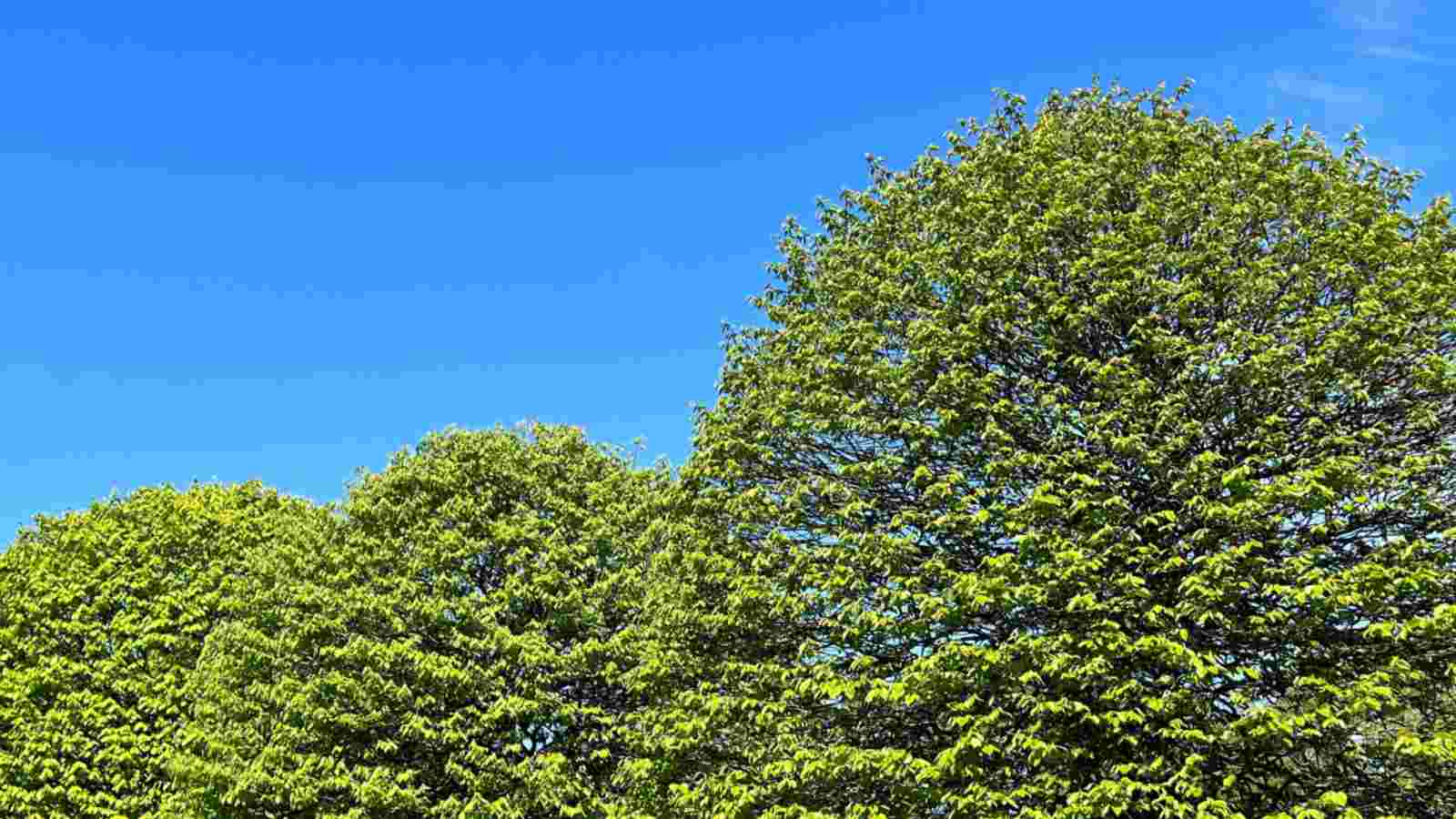
Additionally, be mindful of water sprouts and suckers, which are vigorous, fast-growing shoots emerging from the base or trunk. Regularly remove these to direct the tree’s energy toward healthy, productive growth. Thinning the canopy allows sunlight and air to penetrate, promoting overall tree health.
Overwintering
Protecting hornbeam trees during winter is vital for their well-being. Deeply water young trees before winter. Wrap trunks to prevent sunscald, and apply mulch for insulation, avoiding trunk contact. Prune weak branches but limit heavy pruning to prevent frost damage. Guard against wildlife damage with fencing. Regularly remove snow to prevent breakage. With these precautions, your hornbeam tree will endure winter and flourish in the following seasons.

Types of Hornbeam Trees
-
European Hornbeam(Carpinus betulus)

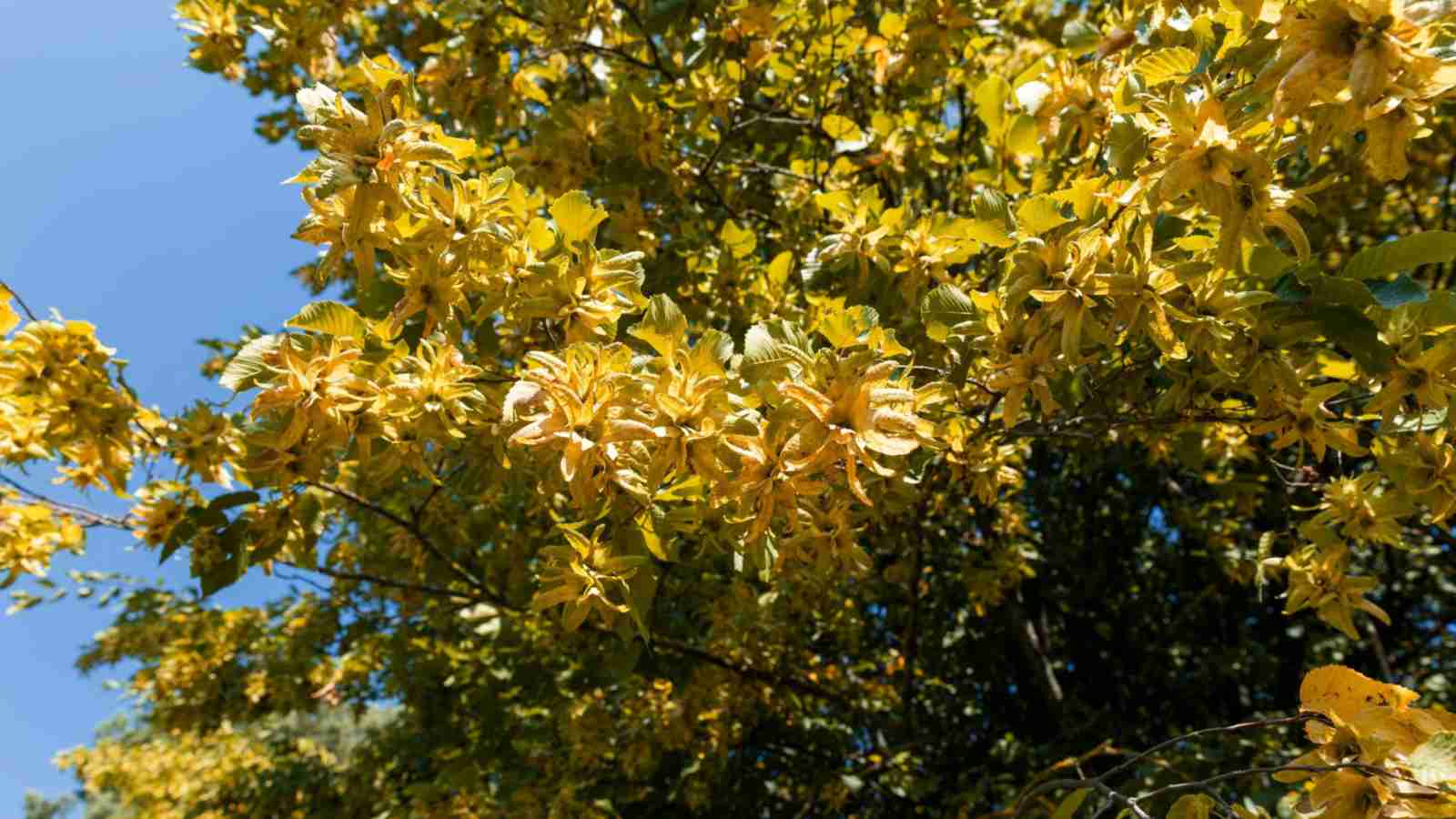
European Hornbeam, native to Europe and Western Asia, is a popular choice in landscaping due to its elegant appearance. It features smooth, gray bark and serrated, vibrant green leaves turning shades of yellow-orange in autumn. This species is known for its dense, rounded crown, making it an excellent choice for hedging or shaping into topiaries. The twigs are brown-grey and slightly hairy, and the leaf buds are similar to beech, only shorter and slightly curved at the tips. Its adaptability to various soil types and resistance to pests make it a favorite among gardeners and landscapers alike.
-
American Hornbeam (Carpinus caroliniana)

Also known as Musclewood or Ironwood, the American Hornbeam is native to Eastern North America. Its distinctive muscle-like bark, resembling sinewy muscles, adds unique visual appeal to landscapes. The leaves are green in summer, turning vibrant shades of red, orange, and yellow in the fall. This species prefers moist, well-drained soils and partial shade, making it an excellent choice for woodland gardens. It attracts birds and butterflies, contributing to the biodiversity of the area. Although some cankers and leaf spots bother this tree, it is disease- and insect-free.
-
Japanese Hornbeam (Carpinus japonica)

Native to Japan, Korea, and China, the Japanese Hornbeam is a deciduous tree admired for its striking serrated leaves and smooth gray bark. Its leaves transition through shades of green, gold, and orange during the fall, creating a colorful spectacle. This species thrives in well-drained soil and partial shade, making it suitable for gardens and small landscapes. Japanese Hornbeam is valued for its ornamental appeal, adding a touch of elegance to any garden setting.
-
Oriental Hornbeam(Carpinus orientalis)

Originating from southeastern Europe and western Asia, the Oriental Hornbeam is a robust and adaptable tree species. It boasts glossy, dark green leaves and a smooth, silvery-gray bark, making it visually appealing year-round. This species is drought-tolerant and thrives in various soil types, making it a resilient choice for urban landscapes and gardens. Its dense canopy provides excellent shade, and its resistance to pests and diseases ensures low maintenance, making it a favorite choice for ornamental planting.
-
American Hornbeam ‘Palisade’ (Carpinus caroliniana ‘Palisade’)
‘Palisade’ is a cultivar of the American Hornbeam, known for its upright, columnar growth habit. Its compact size and narrow form make it an excellent choice for small gardens or narrow spaces. The leaves turn brilliant shades of orange and red in the fall, adding a vibrant touch to the landscape. This cultivar thrives in partial shade and well-drained soil, making it a versatile option for urban gardens and residential landscapes. Its adaptability and striking fall foliage make ‘Palisade’ a sought-after choice among gardeners.
How to Plant Hornbeam Tree From Seed
Planting hornbeam trees from seeds can be a rewarding venture, allowing you to witness the growth of these majestic trees from their very beginnings. To start, gather fresh hornbeam seeds, ensuring they are viable and healthy. A simple test involves placing the seeds in water; those that sink are viable and ready for planting. Now, let’s delve into the step-by-step process guiding you through nurturing your hornbeam tree from seed to sapling.
Step 1: Preparing the Seed
Begin by scarifying the seed coat gently. This process involves creating a small nick or scratch on the seed’s surface to encourage germination. Soak the seeds in water for 24-48 hours, allowing them to absorb moisture and prepare for planting. During this time, observe the seeds; discard any that float as they might not be viable. Once the seeds have swollen, they are ready for the next step.

Step 2: Planting the Seed
Select a well-draining potting mix and fill small pots or seed trays, leaving some space at the top. Plant the seeds about an inch deep, ensuring they are covered with soil. Water the pots gently, providing ample moisture without waterlogging. Place the pots in a warm, sunny spot, like a south-facing windowsill, where they can receive indirect sunlight. Maintain consistent moisture levels; the soil should be moist, not soggy.
Step 3: Providing the Right Conditions
As the seeds germinate, provide a stable environment. Ensure they receive adequate sunlight, approximately 6-8 hours daily, encouraging healthy growth. If natural sunlight is insufficient, consider supplementing with a grow light. Monitor the indoor temperature, keeping it between 70-75°F (21-24°C) for optimal growth. Regularly check the moisture levels and adjust watering as needed. Once the seedlings have grown to a manageable size, they can be transplanted into larger pots or directly into the garden.
Step 4: Addressing Common Pests and Problems
Watch out for potential pests such as aphids or caterpillars. To address these issues organically, consider neem oil or insecticidal soap, both effective and gentle solutions. Keep an eye on the leaves for any signs of discoloration, wilting, or unusual spots, as these could indicate diseases. If identified early, many diseases can be managed effectively with appropriate fungicides. Regular pruning can also help maintain the tree’s shape and remove dead or diseased branches.
Step 5: Flowering and Aftercare
With proper care, your hornbeam tree will eventually mature and blossom. Enjoy the beauty of its distinctive leaves and flowers that add to its charm. The blossoms of hornbeam trees are green catkins that typically appear from April to June. The tree is monoecious, meaning it has male and female catkins on the same plant. The male flowers measure 1 to 1½ inches in length, while the female flowers are larger, ranging from 2 to 3 inches. Three-lobed bracts characterize the female flowers and produce a fruit that is a 1/3-inch winged nutlet attached to similar three-lobed bracts. Regular pruning during the tree’s early years can encourage a sturdy structure. Remember, each tree is unique, so adapt your care routine based on specific needs. Stay patient, stay observant, and soon, you’ll have a thriving hornbeam tree gracing your outdoor space, a testament to your dedication and love for nature’s wonders.

How to Propagate Hornbeam Tree
If the elegance of hornbeam trees enchants you and wish to propagate them, you’re in for a rewarding journey. Propagation offers the chance to expand your garden with these magnificent trees. Let’s embark on this adventure together, exploring the steps to successfully propagate hornbeam trees, ensuring they flourish in your landscape.
Selecting a Proper Specimen
To begin, select a healthy and vigorous hornbeam specimen. Choose a mature tree with desirable characteristics, such as a well-formed structure and vibrant foliage. Healthy branches without signs of diseases or pests are essential. By selecting a robust parent plant, you’re laying the foundation for strong and resilient offspring.
Cutting Preparation
Once you’ve chosen the right specimen, it’s time to prepare cuttings. Select semi-hardwood or hardwood cuttings, usually taken during late summer or early autumn when the tree’s growth is slowing down. Cuttings should be 6 to 8 inches long, taken from healthy branches. Make clean, angled cuts just below a leaf node. Remove any leaves from the lower part of the cutting to prevent excess moisture loss.
Rooting
Rooting your cuttings is a critical step in the propagation process. Dip the cut end of the stem in rooting hormone powder to encourage root development. Plant the treated end in a well-draining rooting medium, ensuring it stays consistently moist without becoming waterlogged. Cover the cuttings with a plastic bag or place them in a greenhouse to maintain high humidity levels, promoting successful rooting. Be patient, as this process can take several weeks.

Care and Maintenance
Once your cuttings have rooted and are showing signs of new growth, it’s time to transplant them into individual pots or directly into the garden. Provide them with well-draining soil, adequate sunlight, and regular watering. During the first year, pay close attention to their growth, ensuring they receive proper care and maintenance. Prune any unwanted branches or deadwood to encourage a healthy, well-shaped tree.
Finding a Suitable Location
When transplanting your propagated hornbeam trees, consider the location carefully. Hornbeam trees thrive in well-draining soil and prefer full sun to partial shade. Choose a spot in your garden that receives ample sunlight and has good air circulation. Proper spacing between trees allows them to grow without competing for resources, ensuring their overall health and vitality.
Monitoring for Pests and Diseases
Vigilance is key when it comes to maintaining the health of your hornbeam trees. Regularly inspect the leaves and branches for any signs of pests or diseases. Aphids, caterpillars, and powdery mildew are common issues that can be addressed with natural remedies or organic treatments. Prompt intervention ensures your trees remain robust and vibrant, gracing your garden with their beauty for years. By following these steps and providing attentive care, you’ll witness the growth of your propagated hornbeam trees, adding natural splendor to your outdoor space.
Common Uses of Hornbeam Tree
These members of the birch family, with their unique characteristics and versatility, have a wide array of applications that make them highly valuable in various contexts. Let’s explore the different uses and values of hornbeam trees, showcasing their significance beyond their aesthetic appeal.
Aesthetic and Ornamental Value
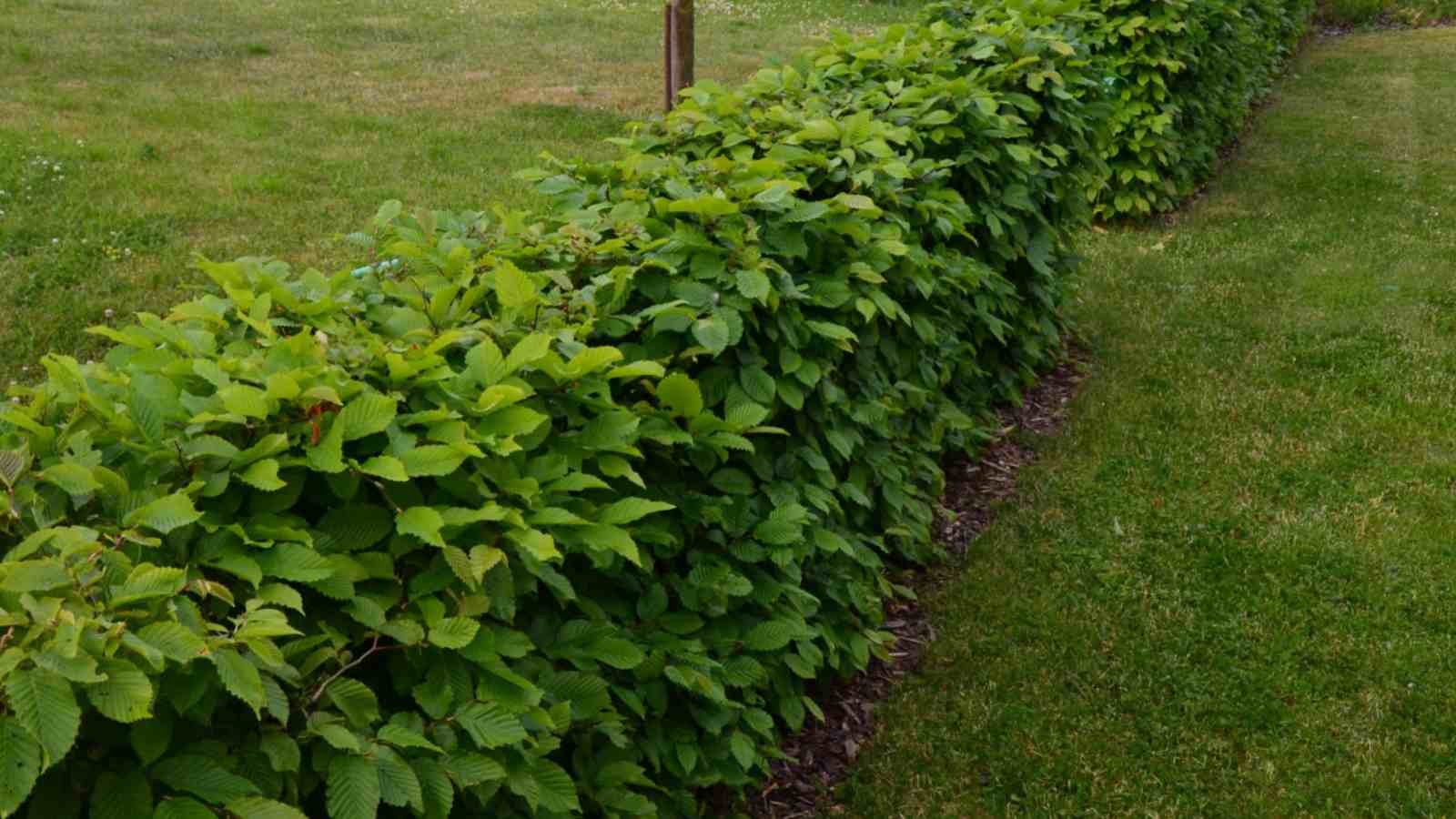
Hornbeam trees are prized for their ornamental value, gracing gardens, parks, and avenues with their elegant appearance. Their vibrant green leaves turn brilliant shades of gold, orange, and red during autumn, creating a stunning display of colors. The trees’ distinctive bark and graceful branches add visual interest to any landscape. Whether planted as solitary specimens or in hedgerows, hornbeam trees enhance the aesthetic appeal of outdoor spaces, providing shade, privacy, and a touch of natural elegance.
Woodworking and Furniture Making
One of the most valuable aspects of hornbeam trees is their wood, which is dense, hard, and durable. This quality makes hornbeam wood highly desirable in woodworking and furniture making. Woodworkers appreciate hornbeam’s strength and fine grain, using it to craft tool handles, carving blocks, and intricate wooden items. Its resilience and resistance to wear and tear make it an excellent choice for flooring and parquet. When properly treated, hornbeam wood showcases a beautiful pale color, adding a touch of sophistication to furniture and decorative items.
Wildlife Habitat and Conservation
Hornbeam trees play a crucial role in supporting wildlife and conserving biodiversity. The dense foliage and sturdy branches provide shelter, nesting sites, and food for various birds, insects, and small mammals. Several songbirds, ruffed grouse, ring-necked pheasants, bobwhite, wild turkeys, foxes, and gray squirrels eats seeds, buds, or catkins. Cottontails, beaver, and white-tailed deer eat the leaves, twigs, and larger stems. Beaver heavily uses American hornbeam because it is readily available in typical beaver habitats.
The tree’s flowers attract pollinators like bees and butterflies, contributing to local ecosystems. Moreover, fallen leaves create a natural mulch, enriching the soil and supporting beneficial organisms. By planting hornbeam trees, you’re not only adding natural beauty to your surroundings but also fostering a thriving habitat for diverse wildlife, promoting ecological balance.

Cultural and Symbolic Significance
In many cultures, hornbeam trees hold symbolic significance and are deeply rooted in traditions. Historically, the wood of the hornbeam tree has been used to craft tools and agricultural implements, highlighting its practical value in ancient communities. Symbolically, hornbeam trees are associated with endurance and resilience, often representing strength and steadfastness. Planting a hornbeam tree can be a meaningful gesture, symbolizing perseverance and the enduring spirit of nature. It connects you to centuries-old traditions, reminding us of the profound relationship between humanity and the natural world.
Natural Windbreaks and Erosion Control
Hornbeam trees, with their dense foliage and robust root systems, serve as excellent natural windbreaks and erosion control barriers. Planted strategically, they shield gardens, agricultural fields, and residential areas from strong winds, reducing soil erosion and protecting delicate plants. Their ability to withstand harsh weather makes them valuable in coastal regions, where they offer protection against salt spray and wind damage. By incorporating hornbeam trees into your landscape, you’re not just enhancing aesthetics but also harnessing nature’s protective power, ensuring the longevity of your plants and the stability of your surroundings.
Common Pests and Plant Diseases for Hornbeam Tree
Hornbeam trees, although resilient, can fall victim to various pests and diseases that threaten their health and vitality. Understanding these adversaries and adopting proactive measures is essential for safeguarding your hornbeam trees. Let’s explore some of these challenges, including cankers, and discuss effective ways to combat them.
Aphids

Aphids, those minuscule, pear-shaped insects, might appear harmless individually, but in large numbers, they can wreak havoc on your hornbeam tree. These pests feed on the tree’s sap, causing leaves to curl, wilt, and turn yellow. The sticky honeydew they excrete can attract sooty mold, compromising the tree’s health. To combat aphids, consider introducing natural predators like ladybugs or lacewings. Alternatively, a gentle spray of soapy water can help dislodge them. Regularly inspect the leaves, and if you spot aphids early, a strong blast of water from a hose can knock them off before they multiply.
Powdery Mildew
Powdery mildew, a common fungal disease, can affect hornbeam trees, especially in humid or poorly ventilated conditions. It appears as a white, powdery substance on the leaves, hindering photosynthesis and weakening the plant. To prevent powdery mildew, ensure proper spacing between trees to allow for good air circulation. Water the tree base, avoiding overhead watering, creating a damp environment conducive to fungal growth. Neem oil or a baking soda solution can serve as natural fungicides to mitigate the issue. Regular pruning to improve airflow and remove affected leaves can also help manage powdery mildew effectively.
Caterpillars

Caterpillars, the larvae of moths and butterflies, can swiftly defoliate a hornbeam tree if left unchecked. While these voracious eaters can cause significant damage, they are manageable with vigilance. Regularly inspect the leaves for chewed edges and clusters of caterpillars. Handpicking them off is a natural and effective method. Introducing beneficial insects like parasitic wasps or releasing Bacillus thuringiensis (Bt) can help control caterpillar populations organically. Applying sticky traps around the trunk can also capture climbing caterpillars before they reach the foliage. By staying alert and taking swift action, you can protect your hornbeam tree from these leaf-munching intruders.
Cankers
Cankers, localized dead areas on the bark or branches caused by fungal infections, pose a stealthy threat to hornbeam trees. These sunken, discolored lesions weaken the affected areas, making them susceptible to breakage. To prevent cankers, ensure your tree is healthy and well-maintained. Proper pruning to remove dead or infected branches can eliminate potential entry points for the fungus. Applying fungicides containing copper-based compounds during the tree’s dormant season can provide additional protection. Regularly inspect your hornbeam tree for any signs of cankers, addressing them promptly to maintain its structural integrity and overall well-being.
Other Tree Guides from Planet Natural:


